

Itinerary
Itinerary
Day 1: Arrive in Costa Rica, where rainforest adventures await
Stay at a luxurious hacienda-style hotel surrounded by lush gardens and birdlife
Join your Expedition Leader and fellow travelers for a welcome dinner
Arrive in the capital of San Jose and transfer to our elegant hacienda-style resort hotel in the foothills outside the city, where our Costa Rica ecotour begins with a welcome dinner. If you reach the hotel early, enjoy a walk around the lush grounds gardens, home to abundant birdlife, a swim in the pool, or relax with a massage at the spa.

Day 2: Reach a remote corner of Costa Rica's southern Pacific coast
Fly by private charter to remote Golfito on Costa Rica's southern Pacific coast
Cruise Golfo Dulce, looking for bottlenose and spotted dolphins
Arrive at Tiskita Jungle Lodge, an 800-acre private rainforest reserve near the Panama border
Transfer to the local airport this morning to board chartered planes for our direct flight to Golfito on Costa Rica’s remote southern Pacific coast. On arrival, we board a boat for a private cruise around Golfo Dulce to look for bottlenose and spotted dolphins, and rarer sightings of hammerhead sharks, whale sharks and rays. From July through November, we might also see Southern Hemisphere humpback whales, which migrate to the region to breed and raise their calves in the gulf. Few visitors to Costa Rica make it to this intensely biodiverse region along the Osa Peninsula, surrounded by the country's largest tracts of untouched primary rainforest. National Geographic identified Golfo Dulce—a rare tropical fjord biome—as one of the world's most pristine seas.
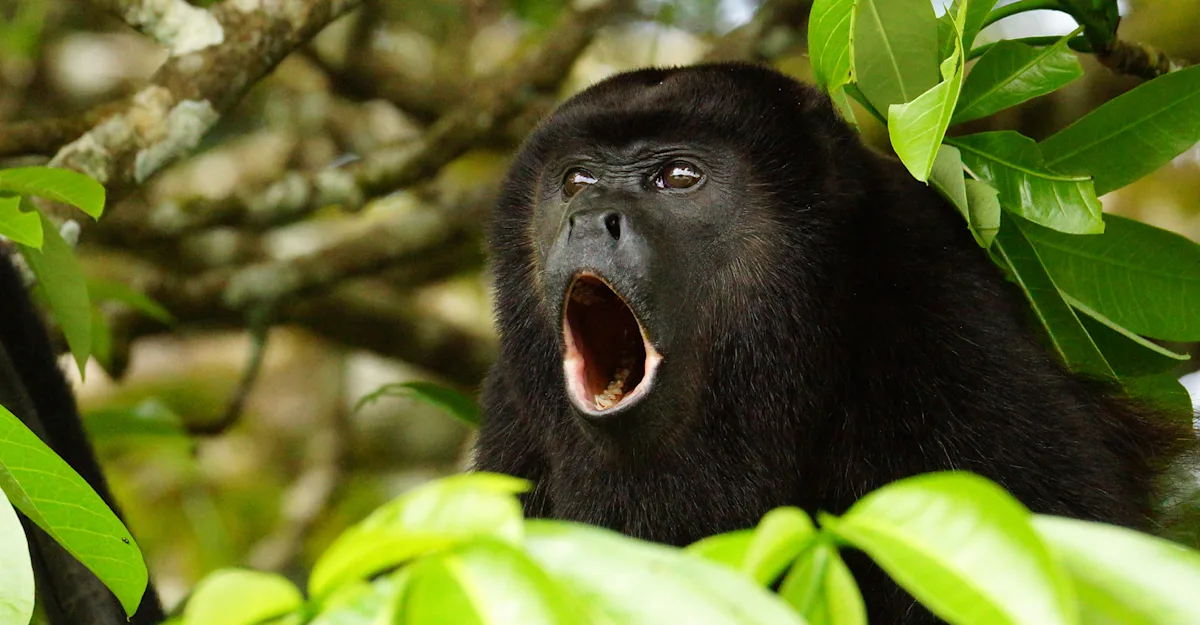
After lunch, continue to Tiskita Jungle Lodge, an 800-acre private rainforest reserve and the only lodging in this undeveloped area just a few miles from the Panama border. We stay in hand-built cabins, crafted from fallen hardwood trees, which survey the distant sea from a high ridge. Wildlife abounds: Look for squirrel monkeys, howler monkeys and white-faced capuchins swinging through the trees, sloths clinging to high branches, and agouti in the underbrush. More than 275 bird species thrive in this lush habitat, and we search for some of them on a guided walk around the grounds. A coveted sighting is the scarlet macaw, successfully reintroduced by Tiskita's owners and now flourishing on the reserve.

Day 3: Explore Tiskita's restored rainforest
Hike rainforest trails to waterfalls deep within the private reserve
Tour the orchard and taste organic tropical fruit grown on the estate
Search by night for red-eyed tree frogs and poison dart frogs
Spend a full day and evening exploring more of this impressive private biological reserve, which has been a national leader in restoring an altered landscape to its wild native state. An extended rainforest hike reveals waterfalls and more wild creatures, while a night walk offers a chance to look for red-eyed tree frogs, tiny endangered granular poison dart frogs and other intriguing amphibians that create a noisy chorus after dark. Meals at our secluded ecolodge are a highlight, prepared with fresh ingredients from the property, including some of the 125 types of organic tropical fruit grown on the estate. After lunch, we tour the orchard, examining a wide array of fruit trees, and, when certain fruits are in season, we may get to taste some unusual varieties. Our afternoon walk also offers an excellent chance to see birds and monkeys attracted to the orchards and their abundant fruit. Later this afternoon, head to the shore for sundowners by the beach before returning to our lodge for dinner.
Day 4: Sea turtle conservation in Punta Banco
Visit a community sea turtle hatchery with a local biologist
Learn how scarlet macaws were reintroduced and now flourish on the reserve
Set out on a night walk with your Expedition Leader for nocturnal wildlife
Explore more of the Tiskita reserve this morning, then walk to the beachside village of Punta Banco to visit a community sea turtle hatchery. During a talk by a local biologist running this grassroots conservation program, learn firsthand the critical value of controlled hatcheries that are helping to increase endangered sea turtle populations worldwide. For groups visiting during turtle-hatching season from November to January, we may have the opportunity for a pre-dawn visit to the beach to see baby olive ridley turtles emerging from their nests and being released to the sea. It’s an extraordinary sight to see hundreds of them scurrying over the sand to the ocean where the life cycle begins anew. We also learn more about scarlet macaw conservation on the reserve and enjoy another night walk with our Expedition Leader in search of fascinating nocturnal creatures.
Day 5: Climb into Costa Rica's high cloud forest
Cross Cerro de la Muerte on one of Costa Rica's highest mountain roads
Walk the fields at a family coffee farm and taste the roast
Reach a secluded cloud forest ecolodge, home to more than 600 bird species
Transfer to Golfito by road to meet our private chartered plane, which flies us north to San Isidro. From here, continue by van along one of the most spectacular drives in Costa Rica, climbing narrow, winding roads into the Talamanca Mountains. Our route crosses Cerro de la Muerte, the highest point along the Costa Rican section of the Pan-American Highway, at just under 11,000 feet above sea level. When the mists part, the views are stunning, with waterfalls spilling down steep slopes and green valleys unfolding far below.
En route to our mountain ecolodge, stop at Granados Organic Farm, a small family-run coffee operation grounded in sustainable hands-on practices. During our visit, walk the fields to see how coffee is grown and learn what makes this region ideal for its cultivation. Follow the process from harvest to drying and roasting, and witness the painstaking care that goes into each batch. The visit concludes with a tasting and the chance to pack your own bag of coffee as a souvenir. Continue into the cloud forest along the Savegre River, ascending a narrow, high mountain valley where our ecolodge awaits. Here on a steep, forested hillside with dramatic views, we’re surrounded by flowering tropical plants and a dazzling diversity of birdlife—the resplendent quetzal is the most sought-after among more than 600 species found here. Other colorful residents to keep an eye out for include the long-tailed silky flycatcher, fiery-throated hummingbird, flame-colored tanager, acorn woodpecker and spotted wood-quail.

Day 6: In search of the resplendent quetzal
Track the elusive resplendent quetzal through Los Quetzales National Park
Watch hummingbirds at a mountainside ecolodge
Visit Batsu Gardens, designed for close-up bird photography
This lush high-altitude region will thrill bird lovers, as it is home to a multitude of vibrant species and many endemics. Set out this morning for Los Quetzales National Park, encompassing more than 12,000 acres of pristine cloud forest and 14 different ecosystems. The park also protects wild sections of the Savegre River, which originates high upon the Cerro de la Muerte. Our goal is to spot the resplendent quetzal, a revered and endangered creature of striking beauty. Listen for their deep, melodious calls as we quietly track these elusive birds. Photographers come from all over the world in hopes of capturing a shot of the quetzal's splendid plumage, with its electric green head, scarlet breast and long, iridescent turquoise tail. Our nature walk reveals a wide array of birds: we may also spy the emerald toucanet, golden-browed chlorophonia and spangle-cheeked tanager, among many others.
A highlight is lunch at Paraiso Quetzal—"Quetzal Paradise"—an ecolodge perched on a steep mountainside. From the outdoor deck we're sure to see dozens of hummingbirds buzzing, offering superb close-up photo opportunities. Later this afternoon, we’ll take a walk to view waterfalls along the Savegre River and visit Batsu Gardens, where every detail has been intentionally designed to enhance outstanding bird photography opportunities in a lush natural space. This evening, after happy-hour sundowners, enjoy dinner at a special local restaurant.
Day 7: Cloud forest trails and a family mushroom farm
Look for birds on the cloud forest trails with your Expedition Leader
Tour a family mushroom farm led by its biologist owner
Sit down to a home-cooked lunch featuring mushrooms grown on the farm
This morning, look for birds and other wildlife as we explore the network of cloud forest trails around Gema Del Bosque with our Expedition Leader—or choose a leisurely stint of birdwatching on the grounds around our ecolodge. Later today, we tour a small family-run organic mushroom farm dedicated to conservation and educating visitors about the sustainable practices used in mushroom cultivation. The owner of the farm is a biologist who shares fascinating details with us about the relationship between humans and mushrooms, and we learn some remarkable facts before sitting down for a lunch home-cooked by our hosts featuring mushroom dishes sourced from the farm. This evening, gather for a farewell dinner at Gema Del Bosque.
Day 8: Return to San Jose
Transfer to San Jose for homeward flights
After breakfast, a group transfer is provided to the San Jose airport to connect with departing flights. Please schedule flight departures no earlier than 1:30 pm today.