

Nature & Wildlife
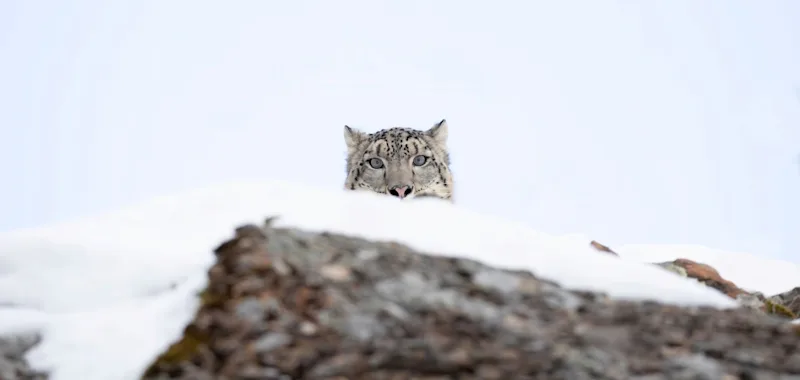
5 Apex Predators and Where to Find Them
An apex predator is the hardcore animal at the top of its food chain, the baddest of the bad, with few or no natural predators in its ecosystem.
Nature & Wildlife
An apex predator is the hardcore animal at the top of its food chain, the baddest of the bad, with few or no natural predators in its ecosystem.
Nature & Wildlife
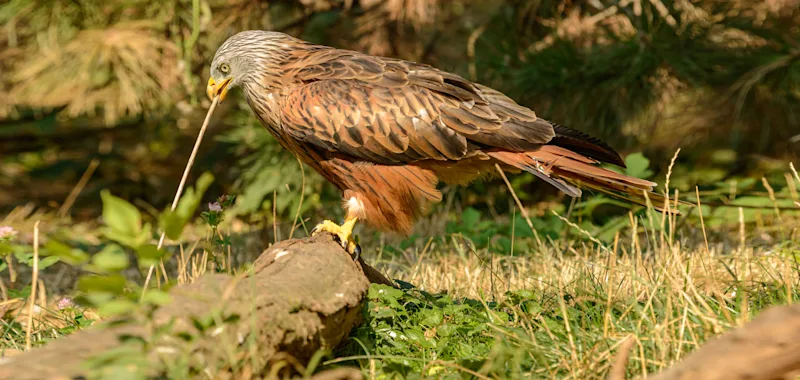
Tool use isn’t unique to humans. Various species across the animal kingdom, including birds, insects and mammals, exhibit the behavior. For example, sea otters use stones to crack open shellfish, while crows modify twigs to probe for hidden prey—and even have been observed using cars to crack open nuts.
Nature & Wildlife
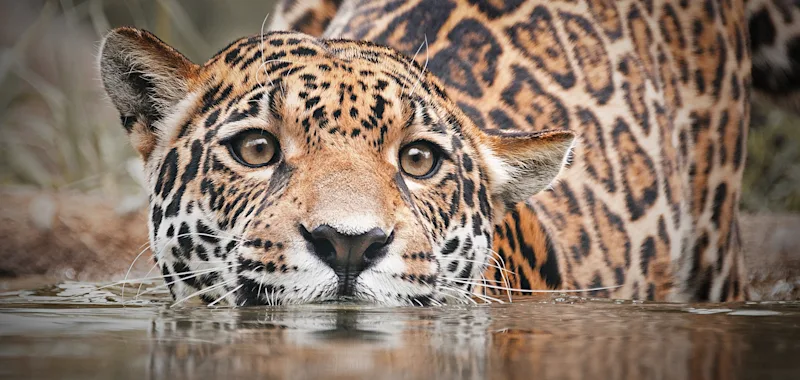
Animals and plants are remarkably resilient in the face of environmental changes. Their creative adaptations and strategies for surviving in ever-altering conditions include going dormant, developing drought tolerance, adjusting migrations, switching to nocturnal activity, forming a salinity tolerance and making social partnerships.

Nature & Wildlife
Our impacts on the natural world can be very large—and often detrimental. This manifests in various ways, including in biodiversity loss, climate change, habitat destruction and pollution. These changes can have cascading effects on ecosystems and human societies, leading to a range of challenges.
Nature & Wildlife
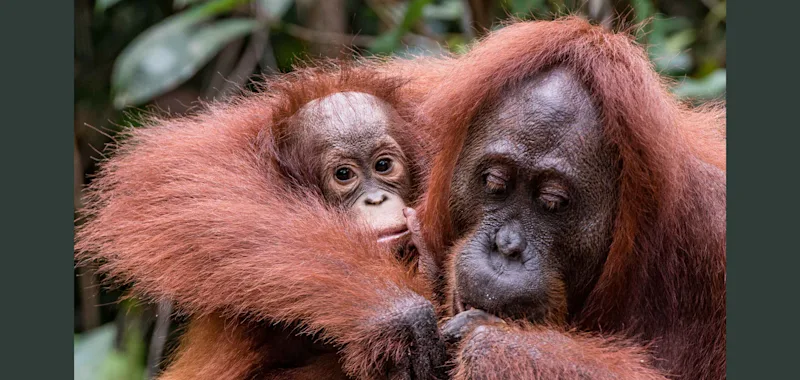
When you think of your mother, a warm memory probably pops up of her being there when you needed a hug, lending an ear when you wanted to talk, or standing up for you when you required a hero.
Nature & Wildlife
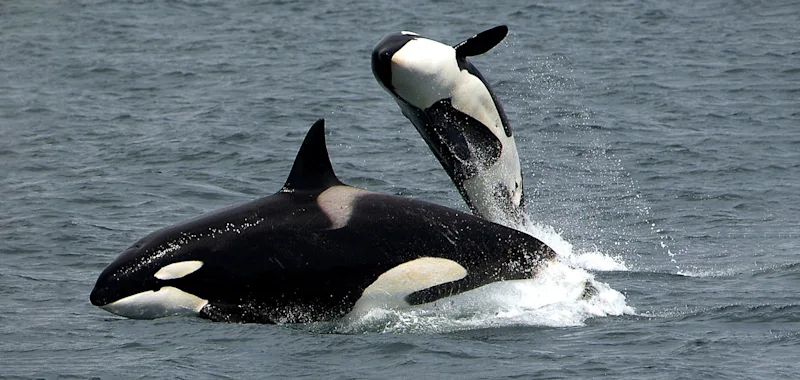
A pod of orcas grabbed the headlines in late March 2019. Researchers performing their annual dolphin and whale surveys off the southwestern coast of Australia stumbled across an orca attack on a healthy, adult blue whale. They recorded the event, which had never been documented before.
Alaska
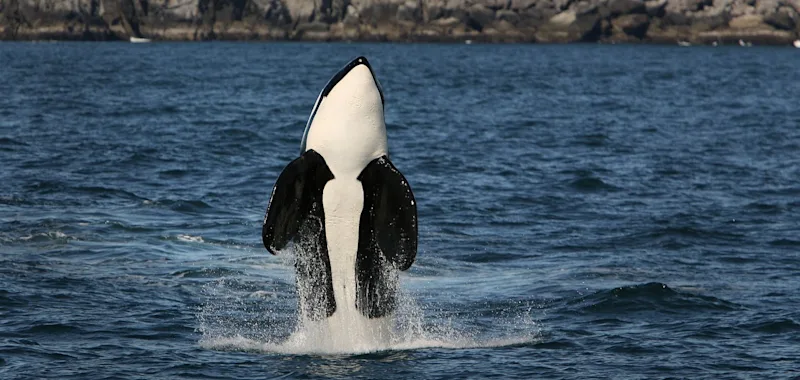
One of the most powerful marine predators, the orca, grows up to 32 feet in length—about the size of a school bus—and can weigh up to 6 tons.

Nature & Wildlife
Baleen whales, which include species such as blue and gray whales, are the largest animals on Earth. Their hefty body masses, in fact, are central to their success as an animal group. Because of their large sizes and aquatic life, however, whales are hard to weigh.
Nature & Wildlife
Much like us, other animals have “languages” that they use in order to communicate with members of their own species. For example, prairie dogs have developed different “words” to describe various predators—barks, squeals and squeaks that contain different numbers of rhythmic chirps and frequency modulations to distinguish which one is currently after them.
Nature & Wildlife
For Natural Habitat travelers, the S/V Australis expedition boat represents an epic voyage into extreme waters bursting with wildlife on our Sailing Antarctica: The Ultimate Polar Nature Expedition. For international cetacean researchers aboard the Australis, the boat represented a similar journey.
News & More
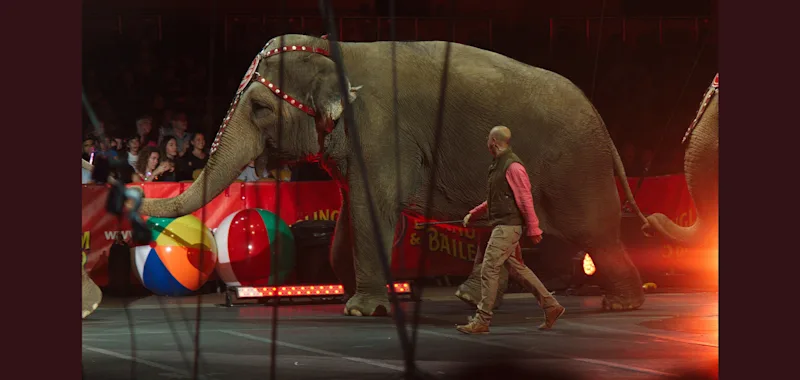
Circus elephants in Ringling Bros. and Barnum & Bailey shows got good news last week when it was announced on January 11, 2016, that they would be retired in May.
Videos
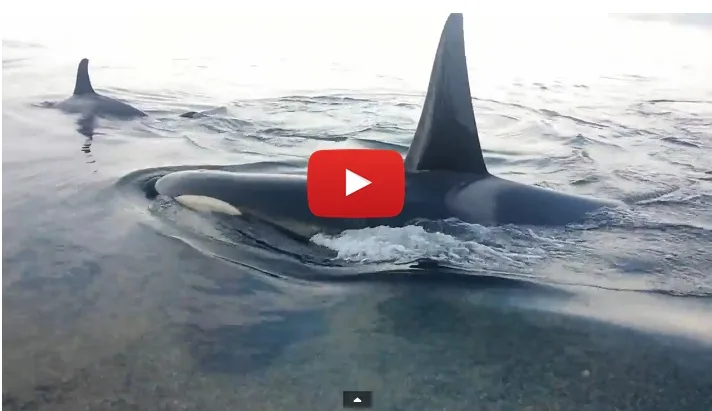
Another fascinating orca video made the rounds on the internet this week, only this time the whales were displaying some very strange behavior.