

Conservation
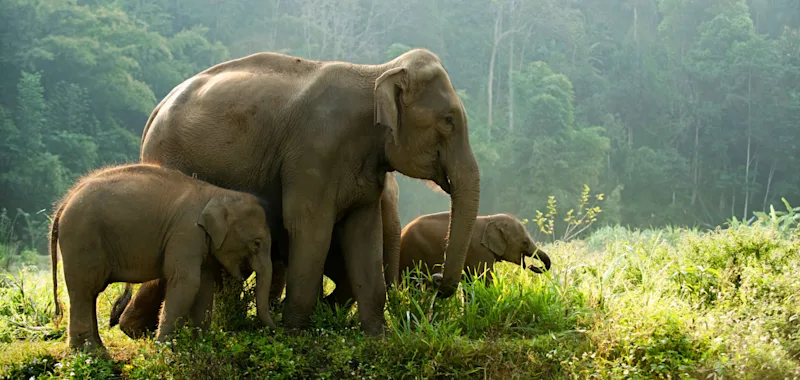
Intelligent Asian Elephants and Their Ebbing Environments
There are many types of intelligence in the animal kingdom, and it seems that almost every day, we learn something more about them.
Conservation
There are many types of intelligence in the animal kingdom, and it seems that almost every day, we learn something more about them.
Nature & Wildlife
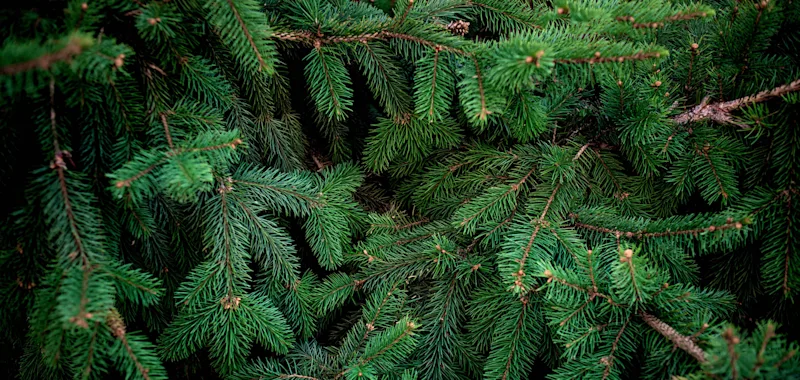
We know that spending time in nature is good for us, proven by hundreds—perhaps thousands—of scientific studies. But most of what we know about nature and its benefits have come from research focused on how seeing nature affects us.
Conservation
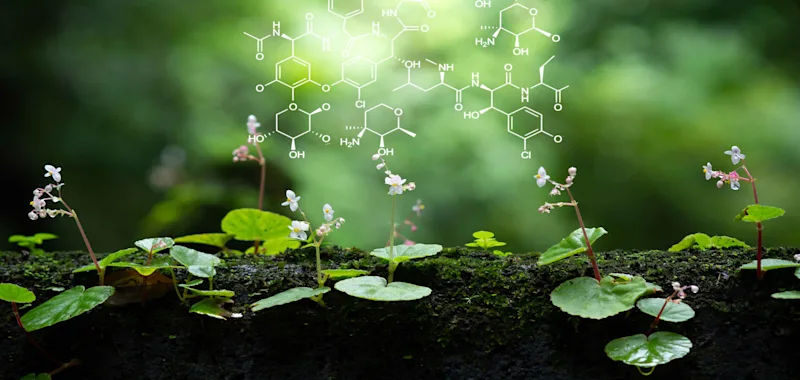
Drawing on her life as an Indigenous scientist, author Robin Wall Kimmerer in her now iconic 2015 book Braiding Sweetgrass: Indigenous Wisdom, Scientific Knowledge and the Teachings of Plants intertwines the knowledge she gained during her Potawatomi upbringing with the education she later received as a scientist—specifically, a plant biologist.
Conservation
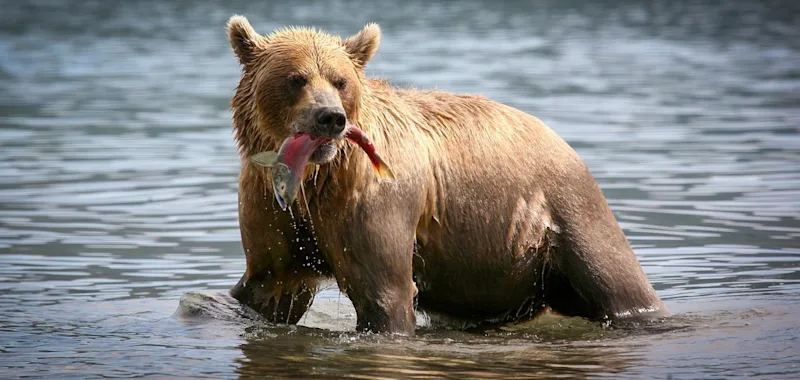
Although sometimes heart-wrenching to discover on our nature outings, the animal carcasses that we may come across play an important role in the functioning of healthy ecosystems. The animal remains not only provide food for many carrion-eating species, their nutrients also contribute to the significantly increased growth of surrounding plants.
Canada & the North
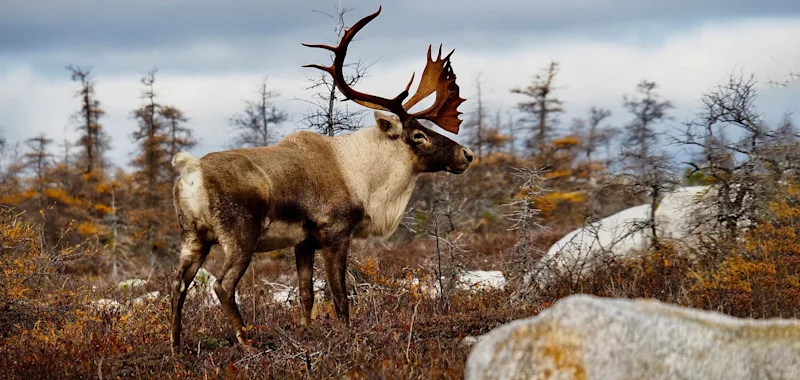
Rising temperatures are causing Earth’s coldest forests to shift northward, raising our concerns about biodiversity loss, an increased risk of wildfires and the mounting impacts of climate change on the people who live in the region. But it’s not only the planet’s forests that are marching northward.
Conservation
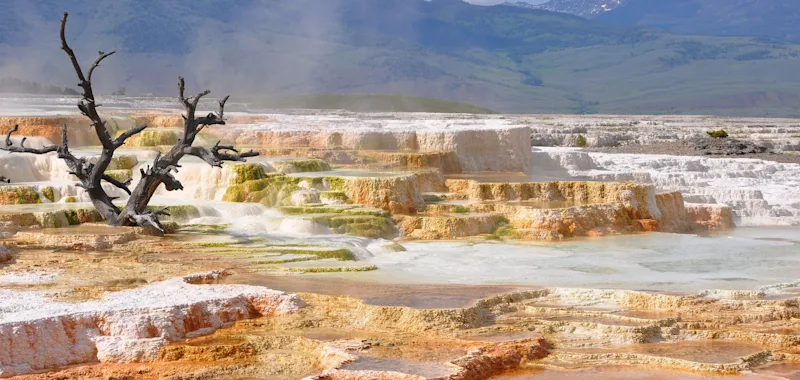
Yellowstone National Park is famous for its beautiful but harsh winters. Blanketed in snow, it exudes an almost mythical aura—even in the season’s common subzero temperatures there.
Conservation
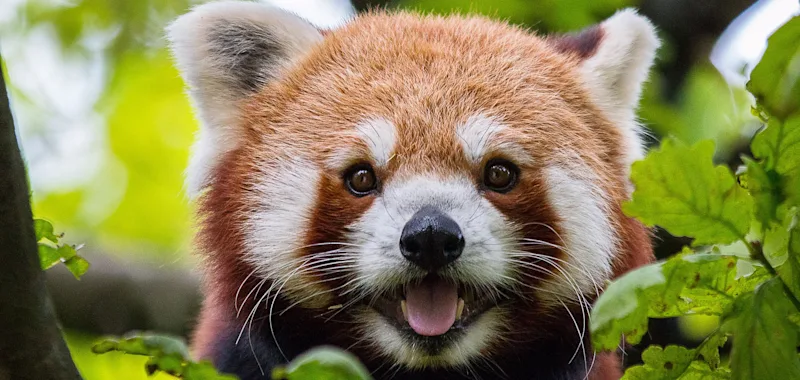
Preserving the biodiversity we have left is not only of extreme importance for the species we are rapidly losing, but for our own health and well-being. It has long been a goal of nature lovers and conservationists all over the world.
Nature & Wildlife
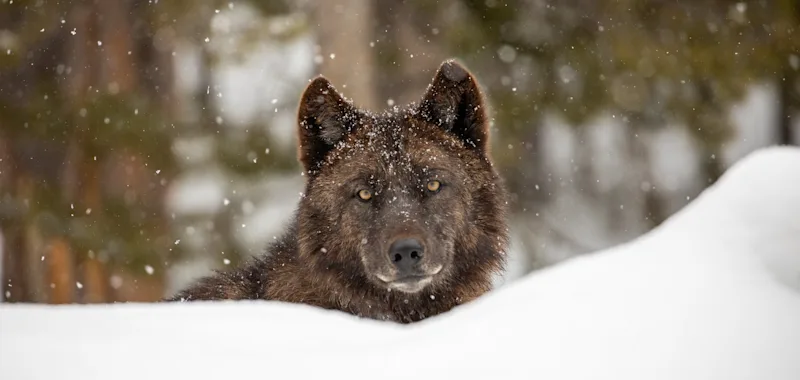
Ever since the reintroduction of wolves to Yellowstone National Park in 1995, there has been controversy and debate about the benefits and ecosystem services that the predators have actually provided; whether it was a good idea to bring the wolves back to their ancestral home or not.
Nature & Wildlife
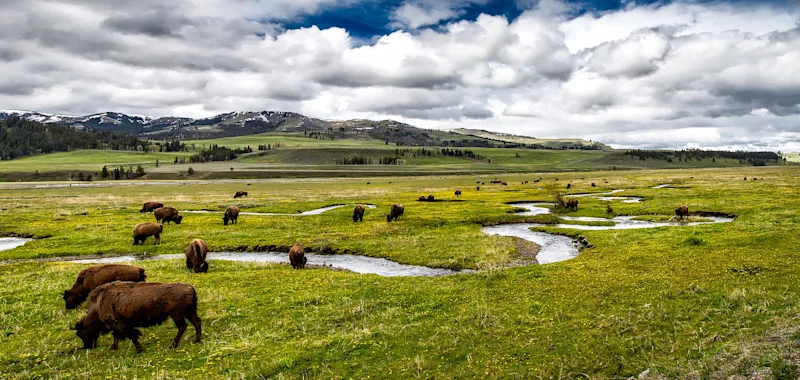
Just exactly how many species are there in our big, diverse world? And where, precisely, do they live?
Conservation
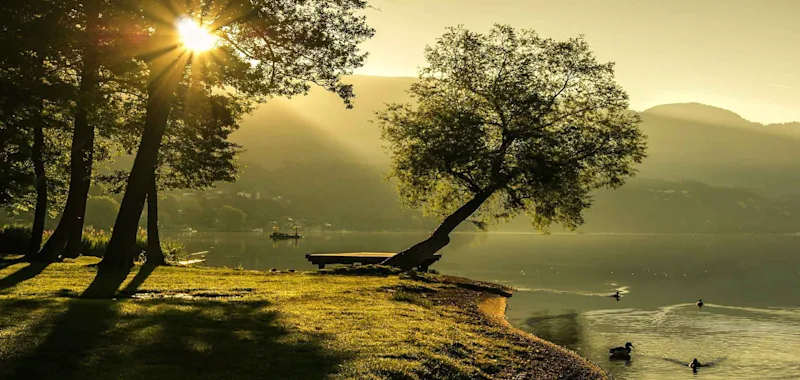
Unlike Earth Day, which is celebrated on April 22 every year, Arbor Day is a bit of a moving target. While National Arbor Day is always the last Friday in April, many states observe their Arbor Days on different dates based on the best tree-planting times in their areas.
African Safaris
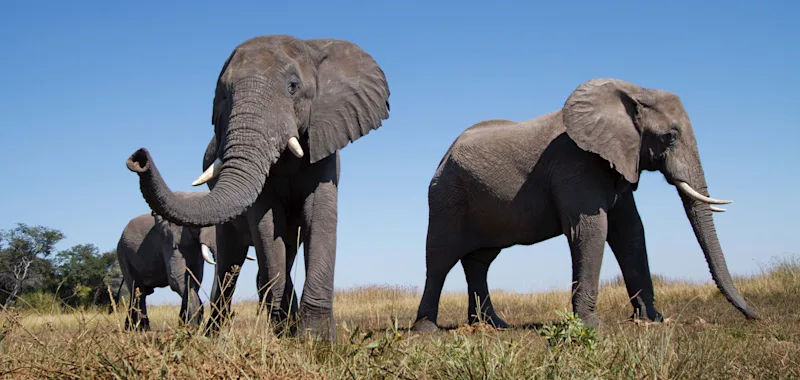
The African nation of Botswana is believed to have the world’s largest population of wild elephants. While the exact number is hard to pinpoint, estimates are that there are between 118,000 to 130,000.
Videos
Throughout history, philosophers have construed the universe in many ways, and one of the oldest is to see it made up by pairs of opposites. For example, art and science, good and evil, matter and motion, structure and function, and living and nonliving all exemplify this particular way of looking at the cosmos.