Good Nature Travel Blog

  • Nature & Wildlife

    Nature’s Lights: Bioluminescence and Fluorescence

    Mar 17, 2026 · Candice Gaukel Andrews

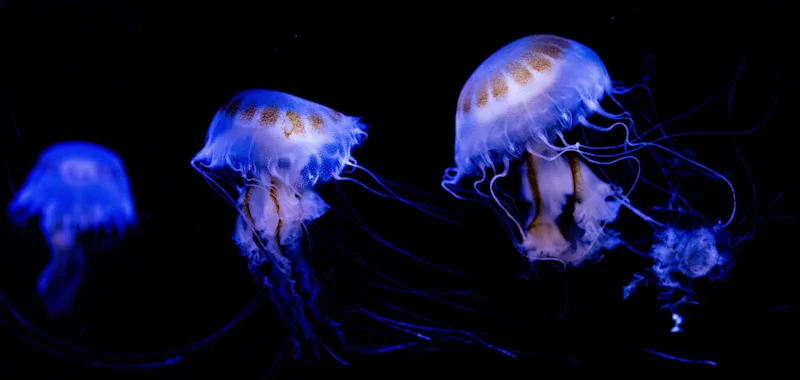
    Natural lights in nature come in two familiar forms: bioluminescence and fluorescence. They differ primarily by their light source: bioluminescence is a chemical reaction within an organism that creates its own light, while fluorescence is a physical process where an organism or object absorbs external light and reemits it.
  • Nature & Wildlife

    Biodiversity and Building Better Cities

    Nov 4, 2025 · Candice Gaukel Andrews

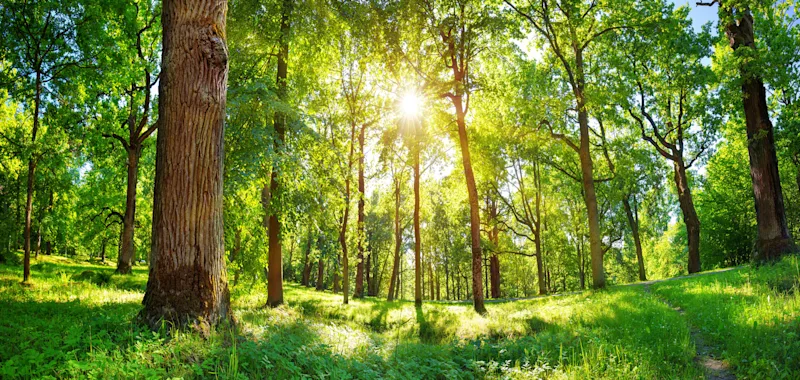
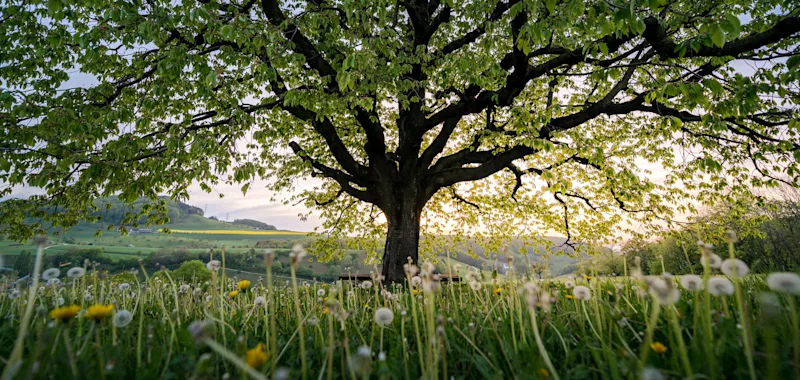
    I like to think of biodiversity as a symphony orchestra, where each note, each instrument—every single part—is needed to make the whole. In the concert called “biodiversity,” then, every species, from microscopic life to towering trees and vast oceans, plays a vital role.

  • Nature & Wildlife

    The Benefits of Being a “Birdbrain”

    Sep 30, 2025 · Candice Gaukel Andrews

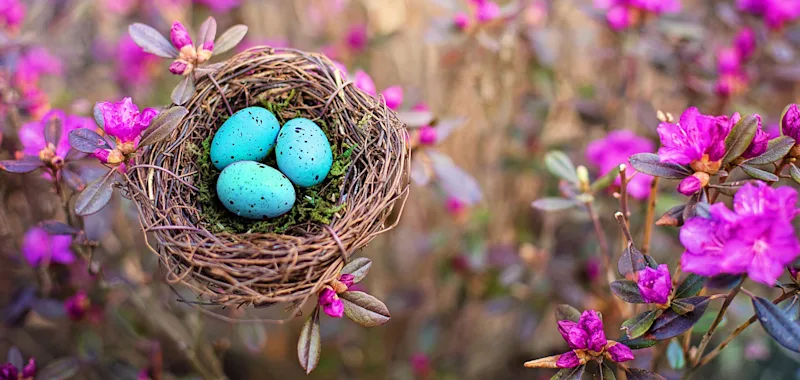
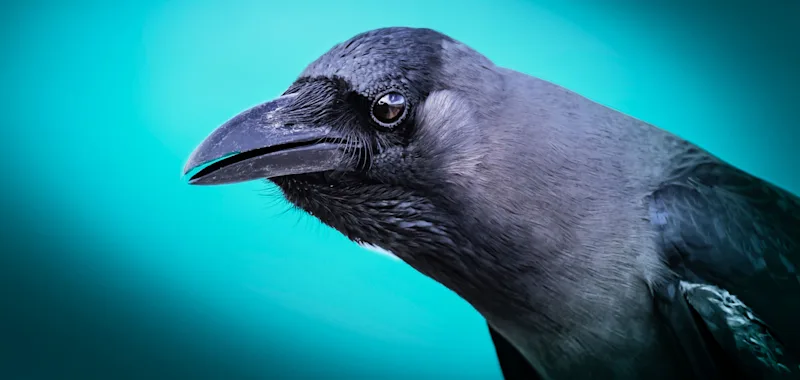
    The word birdbrain became a common slang term for a stupid person in the early 20th century. And while it’s still sometimes used as an insult, it’s a misnomer. In fact, the brains of birds are so large (relative to their body size) that scientists say they are practically braincases with beaks.

  • Conservation

    Conservation Twists

    Sep 9, 2025 · Candice Gaukel Andrews

    Conservation is a complex and multifaceted undertaking, requiring the concerted efforts of communities, governments, individuals and organizations to safeguard and manage ecosystems, natural resources and wildlife.

  • Conservation

    Social Media: Selfie Searches and Nature Successes

    Feb 4, 2025 · Candice Gaukel Andrews

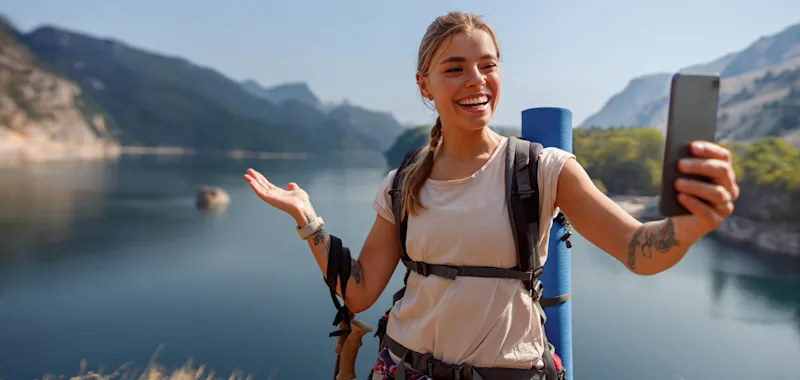
    The ubiquitous social media in our lives has its benefits, including allowing us to interact quickly with our loved ones, network with our colleagues and share information almost instantaneously.

  • Nature & Wildlife

    Halloween 2024: Bat Nightclubs and Owl Haunts

    Oct 29, 2024 · Candice Gaukel Andrews

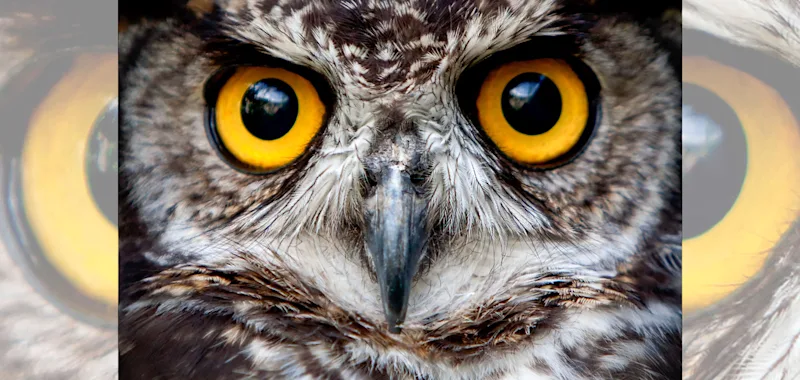
    With the end of October near and Halloween decorations almost everywhere you look, you might be wondering why certain animals are so often featured as we approach the spookiest holiday. Why do plastic owls decorate lawns, and fake bats hang from every nook and cranny?

  • Nature & Wildlife

    Sounds of Spring: Not Silent Yet

    Mar 15, 2022 · Candice Gaukel Andrews

    For me, spring and Rachel Carson are inextricably linked. In her visionary, 1962 book, Silent Spring, Carson—a marine biologist and environmental trailblazer—wrote: “Over increasingly large areas of the United States, spring now comes unheralded by the return of birds, and the early mornings are strangely silent where once they were filled with the beauty…

  • African Safaris

    Your Africa Safari Photographs Could Help Save Wildlife

    Jul 13, 2021 · Candice Gaukel Andrews

    I have never been fortunate enough to go on an Africa safari, but I never tire of reading about the experiences of others who have visited the continent, such as the thrill of seeing a herd of wildebeest spread across a vast, open plain or spotting a leopard lazing in a tree as the…

  • Nature & Wildlife

    Self-Driving Vehicles Could Save Animal Lives

    Nov 6, 2018 · Candice Gaukel Andrews

    “New England Boy’s Song About Thanksgiving Day,” based on a poem by Lydia Maria Child, published in 1844. Ever since that time, we’ve associated Thanksgiving with a drive to grandma and grandpa’s house—or at least a road trip to visit family and friends.

  • Nature & Wildlife

    Giving Females Their Voices: Understudied Birdsong

    Jun 12, 2018 · Candice Gaukel Andrews

    One of my favorite environmental authors, Terry Tempest Williams, once wrote about an experience she had in 1994 when testifying before Congress on behalf of conserving wild lands in Utah. She said: “Congressman Jim Hansen and his colleagues sat on a riser above us, designed to intimidate.

  • News & More

    Is There a New State Trend to Ban Citizen Science?

    Sep 1, 2015 · Candice Gaukel Andrews

    Citizen science has become an important tool for scientific research. Now, as funds for federal agencies and state natural resources departments around the country shrink, using ordinary folks to gather and record wildlife and environmental observations stretch limited research dollars by getting reams of data for free. NASA relies on amateur astronomers for asteroid observations.

  • Travel Tips

    4 (Free) Apps to Make You a Mobile Scientist

    Apr 9, 2014 · Maddi Higgins

    Thanks to your handy smartphone, you can contribute to scientific endeavors while you’re traveling or exploring natural areas near your home. More and more smartphone users are becoming so-called “citizen scientists” using their phones to capture photographs, sightings and other data about the natural world and submitting it through scientific websites and apps.