World Elephant Day
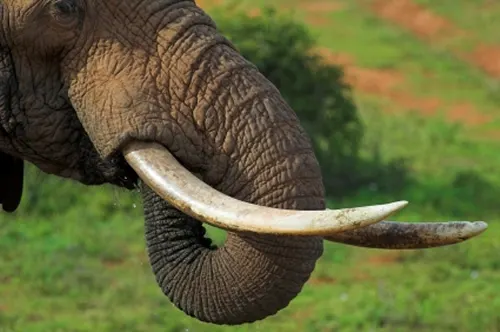
Elephants have had a bad year, especially in the Central African nation of Cameroon. Earlier in 2012, a band of heavily armed poachers invaded Bouba N’Djida National Park, killing more than 300 elephants for their ivory. This was not an isolated incident – tens of thousands of elephants are killed each year for their tusks, which are in high demand on the black markets of some Asian countries. If ivory poaching and wildlife trade continue unabated, entire elephant populations could be wiped out from Central Africa.
For nearly a decade, Natural Habitat Adventures has partnered with WWF, which is leading the charge to stop wildlife crimes like this devastating Cameroon poaching spree. Today, August 12th, is World Elephant Day, and to bring attention to this urgent crisis, WWF has released an exclusive video at the scene of this shocking crime.
Please join us in supporting WWF in their campaign to fight this battle – now the most urgent threat to some of the world’s best loved species. Learn more at WWF’s Stop Wildlife Crime, opens in new tab page.
A word of caution – the content in this video may be disturbing to some viewers