©Ratish Nair

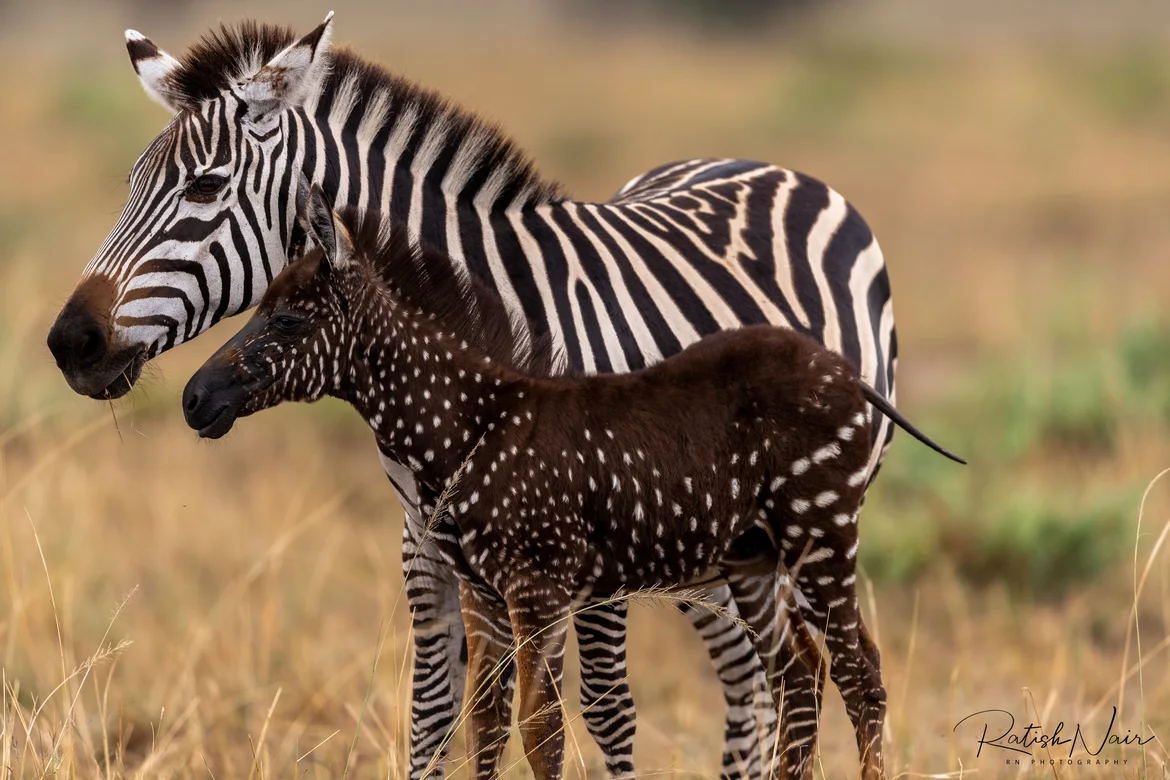
Wildlife Photo of the Week: Tira – The Polka Dotted Zebra

Every Friday, we choose our favorite photo of the week from our Wildlife Photo of the Day, opens in new tab website.

This week we chose a rare polka-dotted zebra in Africa!

©Ratish Nair
©Ratish Nair

Photographer Ratish Nair captured this moment in the Masai Mara, Kenya

Have you taken some amazing wildlife photos during your travels? Submit your own photos, opens in new tab for the chance to win a spot on Wildlife Photo of the Day!

To get the top wildlife photos delivered to your inbox, subscribe, opens in new tab to our convenient Weekly Digest. It’s sure to quickly become your favorite email of the week!

Another way to see the featured wildlife photos is to follow Wildlife Photo of the Day on social media: Facebook, opens in new tab | Twitter, opens in new tab | Pinterest, opens in new tab | Instagram, opens in new tab
Tagged

More from Nature & Wildlife

All Nature & Wildlife stories
  • Nature & Wildlife

    Our Beautiful, Singular, Habitable World

    Nov 10, 2026 · Candice Gaukel Andrews

    The question of whether Earth is alone in harboring life has captivated humanity for millennia. Likewise, other planets that could support human communities have stoked our imaginations for decades, resulting in books, films and other artworks that show us thriving on distant celestial bodies.

  • Nature & Wildlife

    Extreme Weather Effects

    Nov 3, 2026 · Candice Gaukel Andrews

    The continental United States and many global regions experienced their hottest summer on record in 2026, driven by human-caused climate change and an intensifying El Nino, according to the National Oceanic and Atmospheric Administration’s National Climate Report published on September 9, 2026. Average temperatures were roughly 3 degrees Fahrenheit above the 20th-century baseline.

  • Nature & Wildlife

    5 Apex Predators and Where to Find Them

    Nov 1, 2026 · Cathy Brown

    An apex predator is the hardcore animal at the top of its food chain, the baddest of the bad, with few or no natural predators in its ecosystem.