

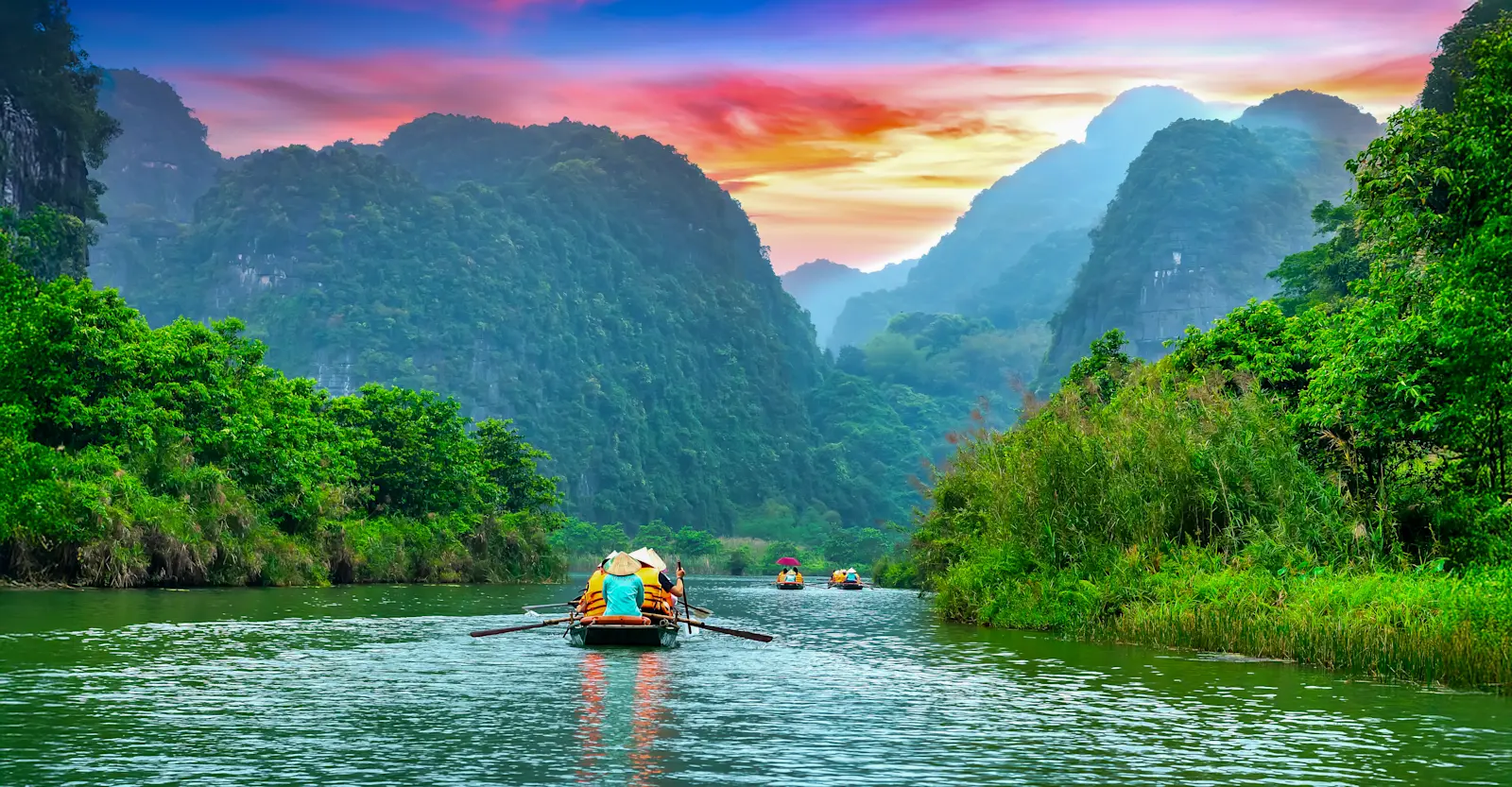
Sustainable travel in Vietnam supports cultural heritage by directing visitor experiences and economic benefits toward artisans, tradition-keepers and communities preserving the country’s living traditions.
During a traditional Len Dong ceremony, Nguyen Duc Hien dresses in bright silk robes, each color representing a different deity from the Four Palaces of Vietnam’s Dao Mau, or Mother Goddess cosmology. The ritual encompasses 36 chanting-trancing acts, each telling of a legendary deity; each act requires a different costume. When the ceremony ends, Hien has moved through three dozen spirits in succession, through music, dance and trance.
During early Communist rule, Len Dong was banned outright; practitioners kept it alive in secret. Those restrictions were lifted in 1987. In 2016, UNESCO recognized the tradition as an Intangible Cultural Heritage of Humanity. Hien, now Deputy Director of the Vietnam Institute of Culture and Belief, has spent his career making sure it survives.
Travelers on Vietnam: An Intimate Portrait meet Hien in person. It is one of the most vivid examples of what responsible cultural travel here can offer: direct access to and support of a living tradition, through someone who has spent his life protecting it, in a country where that protection has never been straightforward.
© Expedition Leader Arthur Kampmann
What religions and spiritual traditions shape Vietnamese culture?
Ask most travelers what religion is practiced in Vietnam and they will say Buddhism, thanks in large part to Thich Nhat Hanh, renowned for his Engaged Buddhism peace activism and mindfulness teachings in over 100 books.
The real answer is more complex. According to the Vietnamese government’s 2019 estimates:
—Around 90% of the population takes part in some form of folk spiritual practice, most commonly ancestor veneration. Ancestor veneration, Dao Mau and spirit worship originated within Vietnam and predates imported religions.
—Catholicism was the largest religious group represented at almost 7%, surpassing Buddhism.
—Buddhism’s numbers are massively undercounted by the formal registration system, while the Catholic Church keeps organized membership records. This underrepresentation results from how religion is tallied, not actual religious practice.
In practice, Vietnam’s oldest spiritual traditions show up in official religious statistics as “no religion” and the symbols, rituals, beliefs and practices of many religious and spiritual traditions coexist in a unique blend. More than 60% of Vietnamese people practice a form of Buddhism, it is often interwoven with folk religion and ancestor worship.
Syncretism is the blending of different belief systems, cultures, or schools of thought into a new, unified system combining rituals and ideologies into new cultural fabric. It’s exactly what visitors witness in Vietnam.
Vietnam’s oldest spiritual traditions, part of its culture for millennia, often go uncounted. They are living traditions—from family altars burning incense in nearly every home, to the village temples honoring local guardian spirits, to one of the most extraordinary ceremonies you can witness anywhere in Southeast Asia.
How does sustainable travel support preservation of Vietnam’s cultural heritage?
Small-group travel that channels revenue directly to artisans, tradition-keepers and family hosts is a model supported by research. It is also the only model that keeps the experiences genuine through:
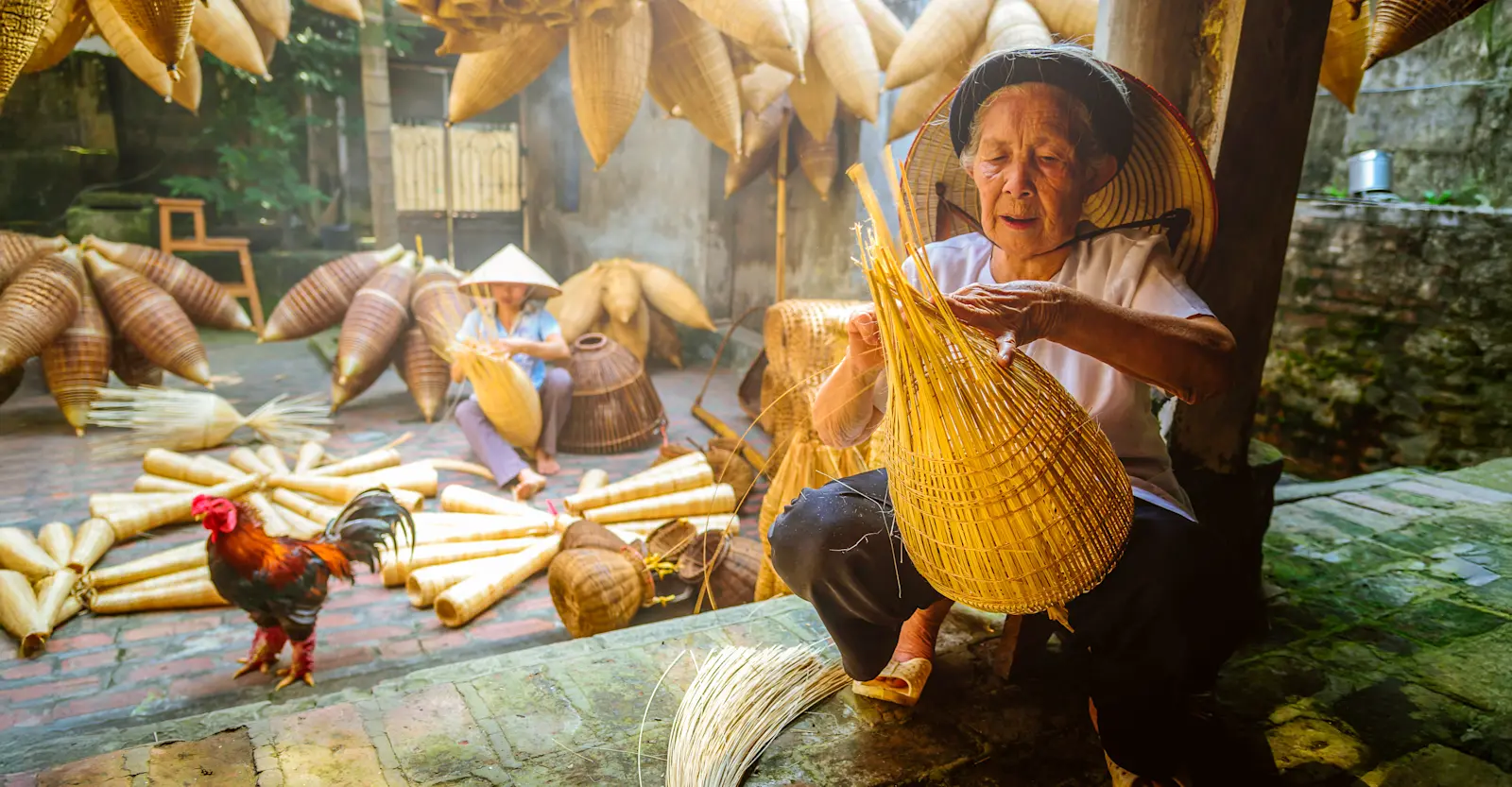
—Direct income for artisans, craftspeople and spiritual leaders
—Financial support for historic temples, heritage villages and cultural sites
—Opportunities to learn traditions directly from practitioners
—Smaller visitor groups reduce pressure on fragile heritage locations and ecosystems.
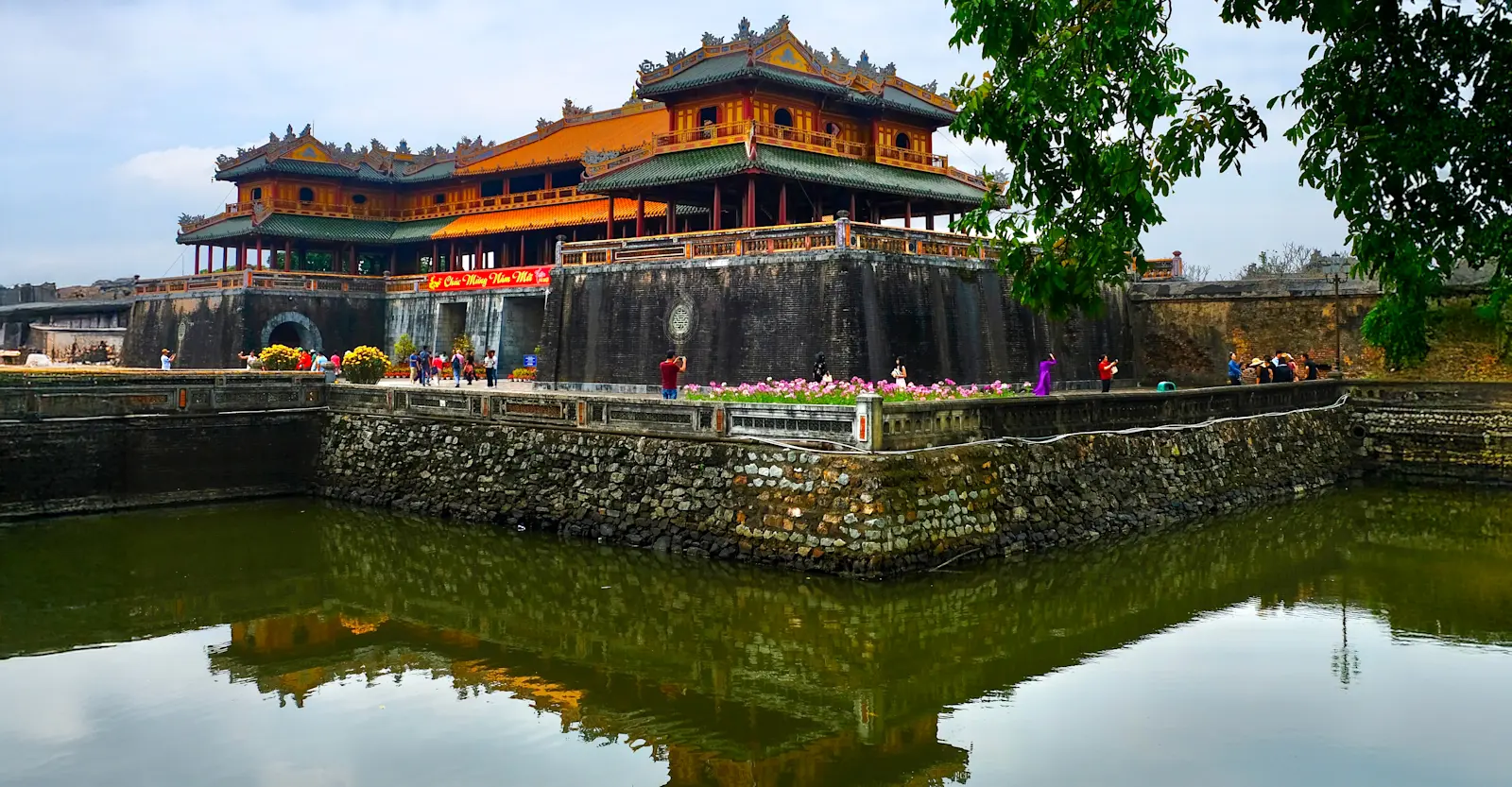
A Bat Trang ceramics artisan, for example, teaching people in his family workshop is practicing and sharing, supporting his craft. Scale matters. The research that bears this out includes:
—A 2025 study in Tourism Economics examined the relationship between heritage tourism and local prosperity, finding a dual benefit at sustainable visitor volumes: direct revenue for local participants and funds channeled toward the preservation of cultural sites. At excessive volumes, the relationship inverts.
—A 2023 systematic review of 102 heritage tourism studies found that positive outcomes for local communities consistently depended on two conditions: equitable benefit-sharing and direct community participation.
Vietnam: An Intimate Portrait is designed with this understanding at its core.
Traveling in small groups, building on genuine relationships with local hosts and channeling economic value directly to tradition-keepers, cultural journeys are designed to be part of the solution the evidence points toward: small-scale, community-directed, and oriented toward depth over volume.
How Does Travel Create Economic Value for Living Traditions in Vietnam?
Nat Hab’s conservation mission rests on a core conviction: conservation travel imbues value to natural habitats, bringing economic resources to local communities and inspiring them to protect wild places and the wildlife that thrives within them. The same principle applies to cultural heritage.
In Vietnam, economic growth and tourism are booming, putting pressure on infrastructure, culture and the environment. Vietnam was one of the fastest-growing tourism destinations in the world in 2025. International arrivals in the first half of 2025 increased by 21%, placing the country on par with Japan for the highest growth rate worldwide. The global growth rate for the same period was 5%. From January to August 2025, Vietnam welcomed 13.9 million foreign visitors and generated about US$21.3 billion in tourism revenue.
Responsible, small-group travel that channels resources directly to tradition-keepers is a meaningful counterweight to mass tourism. As Nat Hab’s conservation page puts it, the hope is that travelers go home transformed, as ambassadors for conservation. On a Nat Hab Cultural Journey, that transformation includes cultural heritage as much as it does Vietnam’s biodiversity and natural landscapes.
Vietnam’s living heritage, its ceremonies and crafts, its sacred landscapes and ethnic traditions, has endured for centuries not despite the land but because of it. Nature and culture here are genuinely inseparable.
How many UNESCO cultural heritage designations does Vietnam hold?
Vietnam holds nine UNESCO World Heritage Sites and 17 Intangible Cultural Heritage designations, among the highest totals in Southeast Asia. On this journey, guests visit three of those World Heritage Sites, each one still full of daily life:
—Ninh Binh’s Trang An Landscape: Trang An was inscribed for both its natural beauty and its 30,000 years of human cultural history.
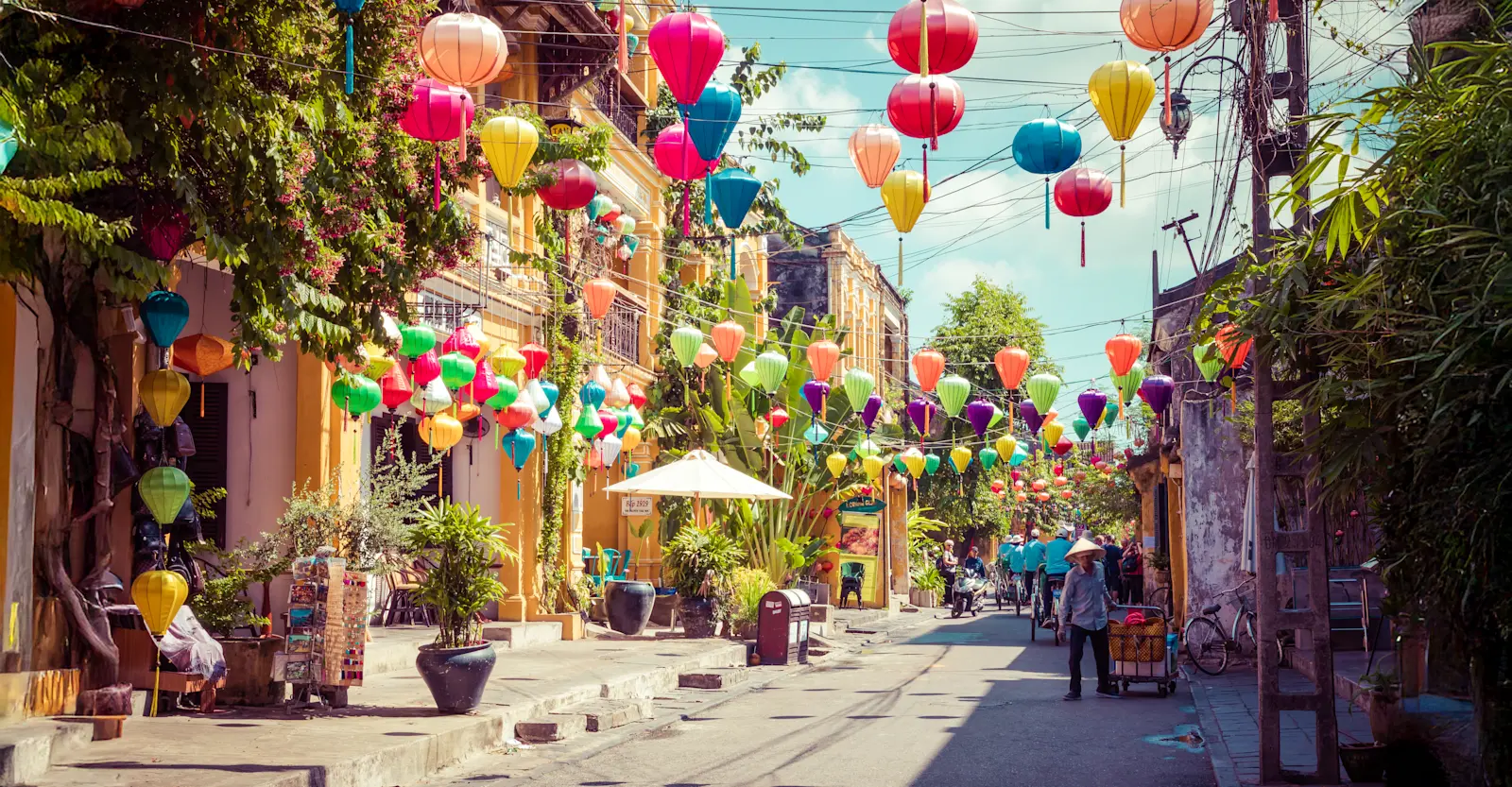
—Hoi An Ancient Town: Hoi An’s streets still function as a living trading community, its architecture reflecting the layered influences of Vietnamese, Chinese, Japanese and European merchants across five centuries.
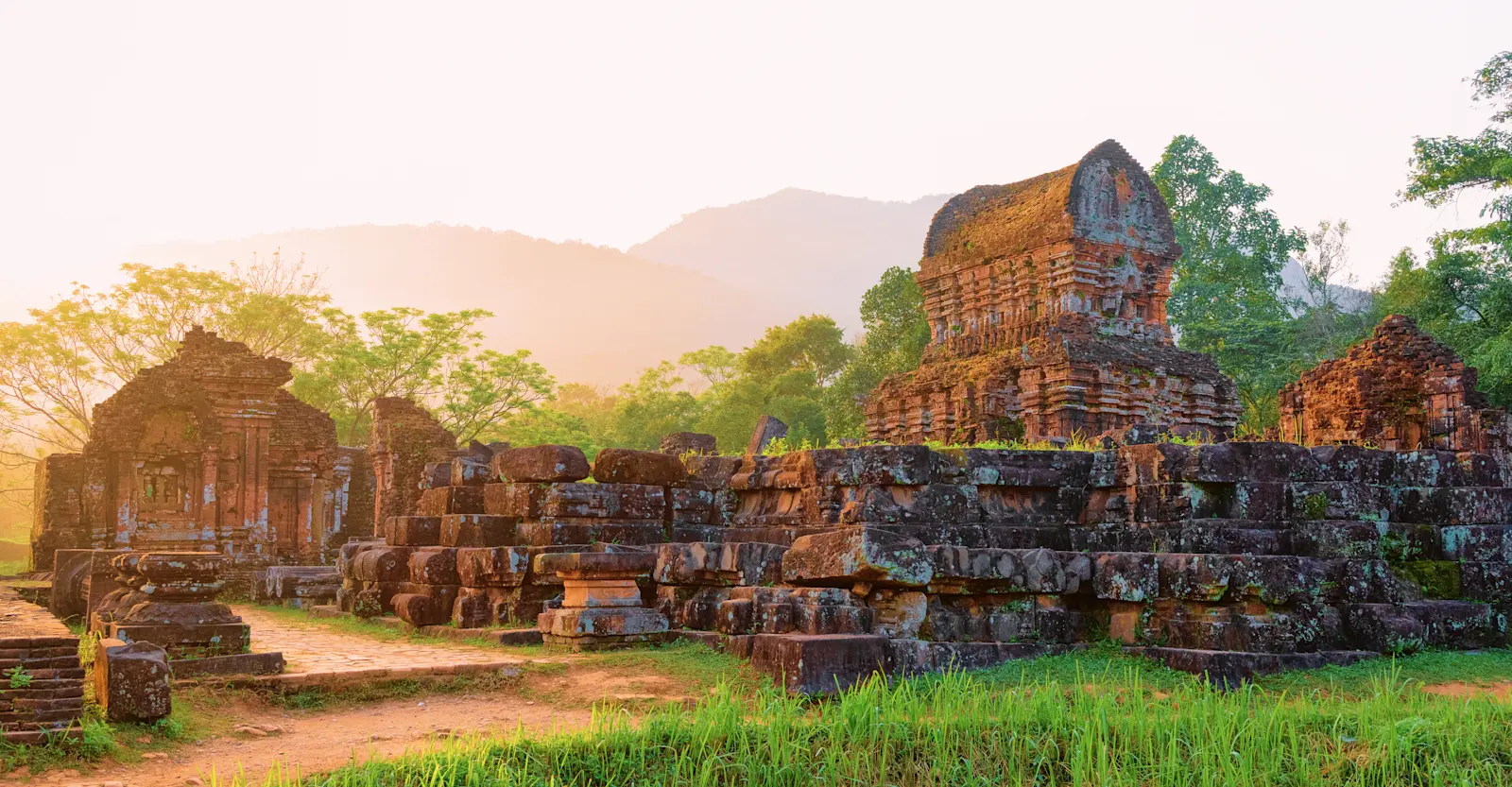
—My Son Sanctuary: My Son’s temples, built from the 4th to the 13th century, stand as a testament to a Cham civilization whose cultural legacy continues in the living communities of roughly 170,000 Cham people in Vietnam today.
How does Conservation Travel Protect Culture & Nature in Vietnam?
According to WWF, Vietnam is one of the most biologically diverse countries in the world and part of the Greater Mekong region, which contains around 10% of the planet’s species despite covering only about 2.6% of Earth’s land surface.
Vietnam is also home to 54 recognized ethnic groups inhabiting landscapes from the limestone karst valleys of Ninh Binh to the highland communities of the Annamite Mountains. Their traditions, beliefs, crafts and cuisines are as much a part of Vietnam’s living heritage as its forested hillsides and ancient river deltas.
Rivers and karst landscapes have shaped daily life for millennia. Nature and culture have evolved together here. Thousand-year-old temples anchor farming communities. Sacred karst landscapes blur the boundary between the natural and spiritual worlds. Protecting one without the other is incomplete.
That understanding is at the heart of Nat Hab Cultural Journeys, which are built on a clear premise: nature and culture are deeply intertwined.
What are Nat Hab Cultural Journeys?
Where Nat Hab’s nature expeditions take travelers deep into wild habitats to inspire conservation, cultural journeys do the same for living cultural traditions. The philosophy is identical: small-group immersive travel that creates genuine value for the communities being visited.
Every cultural journey is designed around a few core principles:
—Meaningful connections with local communities, in family homes, artisan workshops and sacred spaces
—Insider access to lesser-known regions and traditions, guided by people with deep personal connections to place
—Small groups of no more than 12 guests, enabling access to intimate settings where larger groups are neither practical nor appropriate
—Carefully chosen local hosts, from spiritual practitioners and historians to farmers and craftspeople
—A dedicated Expedition Leader throughout, whose role is not to lecture but to interpret, translate and create space for observation and dialogue
Cultural journeys are built on the same experiential philosophy, operational rigor and leadership standards that have defined Natural Habitat Adventures for decades.