

—By Sarah Wishart
Touching Down in the Mara
Nearly two days after leaving my home in a chilly Mystic, Connecticut, our 14-seater Cessna plane ground to a halt at the Ngerende Airstrip, a gravel runway within the Olchoro–Oirogua Conservation Ranch just outside Kenya’s Maasai Mara Game Reserve.
Stepping off the plane, we were greeted by the warm smile of Dr. Antonio Uzal, associate professor of conservation biology at Nottingham Trent University and lead scientist for this Earthwatch expedition. After piling our luggage into the back of an open-air safari vehicle, we set out along a red-dirt road into the bush.
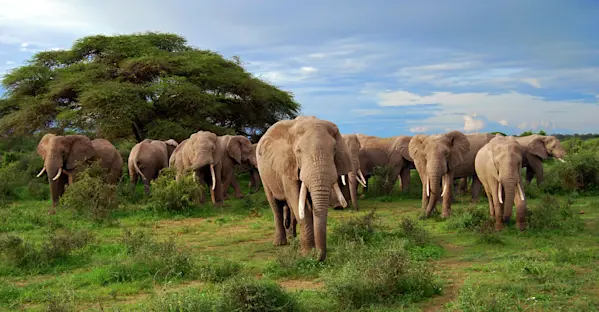
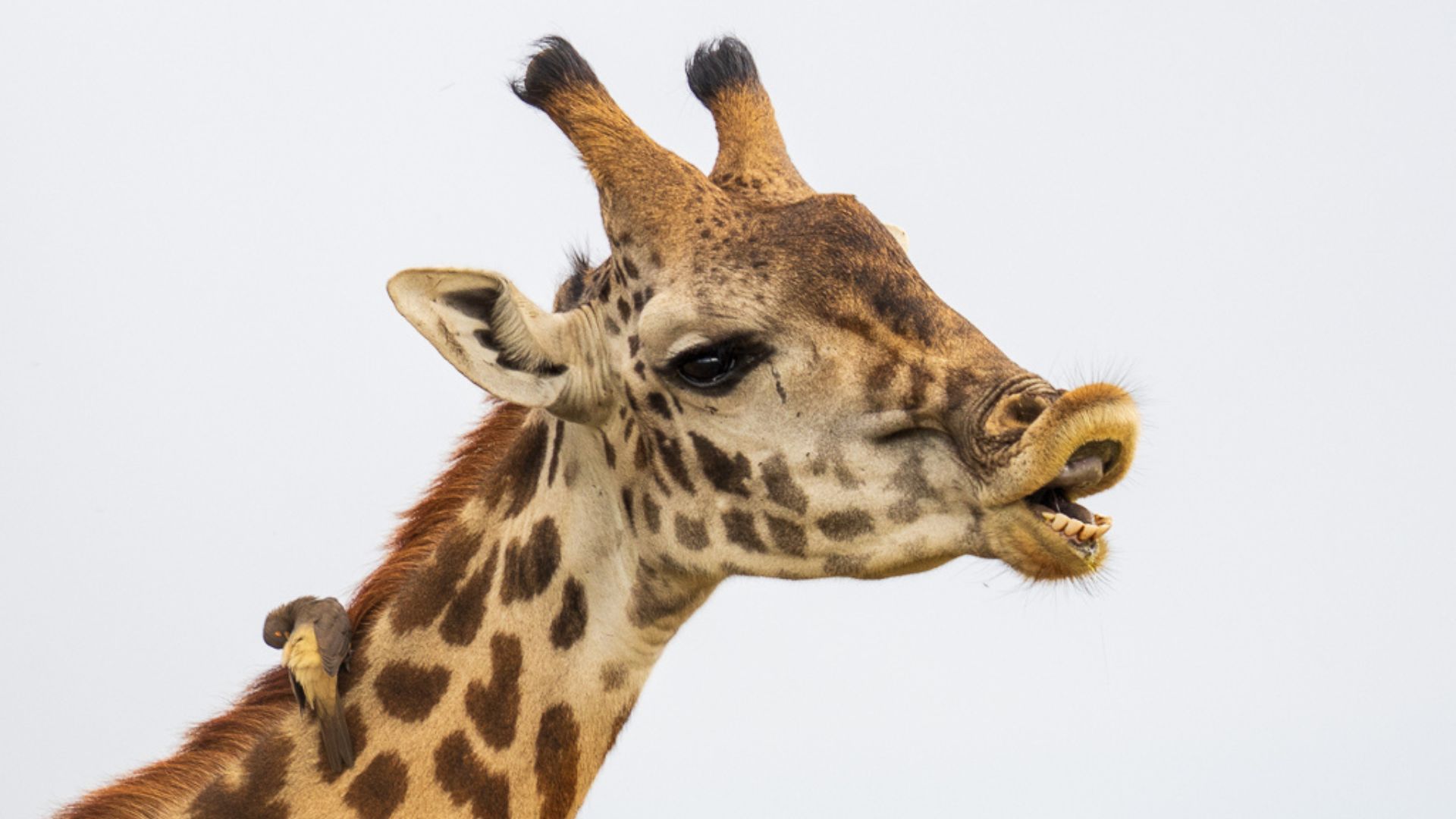
As we passed manyattas—traditional Maasai homesteads—children ran to the roadside, waving as we called out “Jambo!” over the hum of the engine. Just before the sky opened with afternoon rain, we were introduced to the Mara’s remarkable wildlife: herds of hartebeest, wildebeest, zebra, Maasai giraffe, buffalo, elephant and hippo.
We emerged from the mist to find ourselves at the gated camp of Enarau Wildlife Conservancy—one of the northernmost conservancies in the Greater Maasai Mara landscape and our home for the next 11 days. A receiving line of Enarau staff welcomed us and showed us to our cabins.
Set among the trees, the cabins were comfortable and thoughtfully designed, each with an ensuite bath and two twin beds draped in black-and-red checkered shukas, the cloth traditionally worn by Maasai warriors.
That evening, we gathered for a meal prepared by Chef James—warm soup and freshly baked bread—before settling in for the night. The next morning, we began detailed briefings and training to prepare for the fieldwork ahead.
A Living Laboratory: Restoring the Savanna from the Ground Up
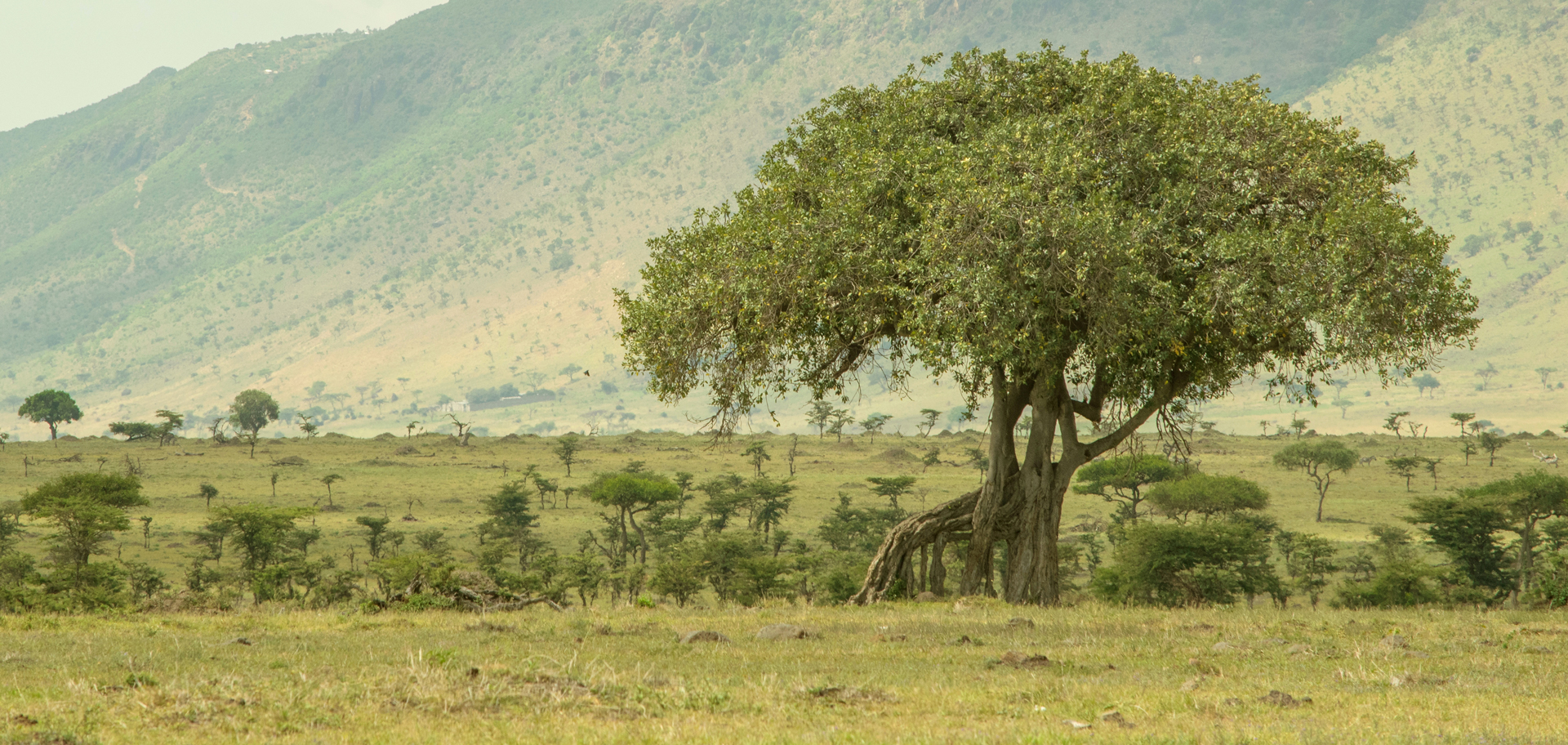
Savanna grasslands across Africa are under pressure from agricultural expansion, urban development, overgrazing, invasive species and climate change. These forces fragment habitat, disrupt wildlife movement and challenge traditional pastoralist ways of life.
In response, conservancies have emerged as a model that supports both conservation and local livelihoods. Landowners lease land for ecological stewardship, protecting habitat while generating sustainable income.
Established in 2022, Enarau Conservancy spans 3,140 acres and continues to expand, forming a key wildlife corridor within the northern Maasai Mara. Supporting this work is a native plant nursery—one of the largest in the region—with more than 4,000 seedlings grown largely through the efforts of local women and youth.
At the center of Enarau is a 336-acre area degraded by decades of monoculture farming. To researchers, this is a living laboratory where restoration techniques—from invasive species removal to native planting—are tested and refined.
Using a social-ecological approach, the goal is to rebuild a functioning savanna ecosystem while supporting the needs of surrounding communities. By combining scientific research with traditional ecological knowledge, the Enarau team is developing a restoration model grounded in both ecology and culture.
As Dr. Uzal explains:
“We are creating a case study of savanna grassland restoration that is ‘fit-for-purpose.’ That means it’s ‘fit-for-purpose’ from an ecological point of view, but also for the communities. And by involving the communities, we empower them to take ownership of this restoration.”
With support from participants and collaboration among Nottingham Trent University, the Center for Ecosystem Restoration–Kenya and Enarau Conservancy, the team is restoring degraded land while building a monitoring network across the wider landscape. Plant and wildlife surveys track biodiversity and land condition over time, providing data essential for sustainable land management.
Hands-On Restoration and Monitoring
With a clear sense of purpose, we began our work. Over the next ten days, our team rotated through field tasks that revealed the complexity of savanna restoration.
Some mornings were spent clearing land or preparing seedlings in the nursery. Others took us into sampling plots, where we measured the diversity and abundance of grasses, shrubs and birds.
In the afternoons, we conducted vehicle-based surveys of large mammals or set up remote camera traps to monitor more elusive species.
Guiding us was an experienced team that included biologists Victor Simiren and Albert Cheruiyot, field leader Harrison Nabaala and Earthwatch scientists Drs. Andrew Gichira and Stewart Thompson.
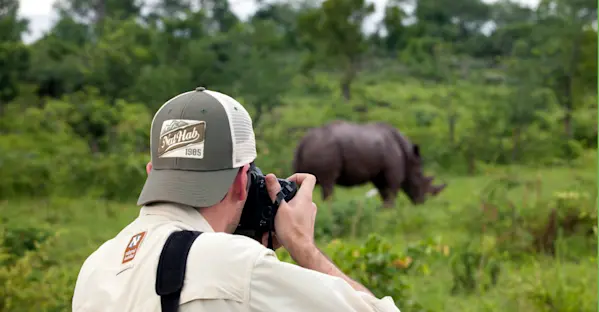
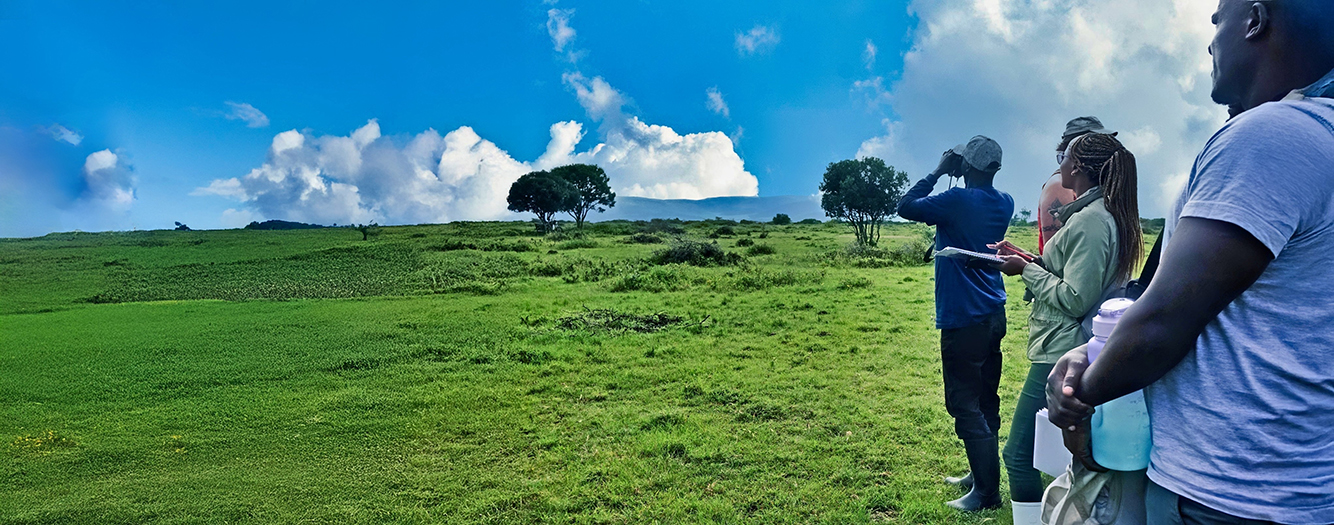
The work required patience and focus. We bent low to identify grasses, scanned the horizon through binoculars and recorded GPS coordinates of wildlife along transects. Breaks in the shade with fresh mandazi offered welcome moments of rest.
Each observation contributed to Enarau’s broader restoration goals, and it was deeply satisfying to reflect on the day’s work around the campfire, surrounded by the sounds of the bush.
© Danielle Brigida / WWF
Close Encounters with Wildlife
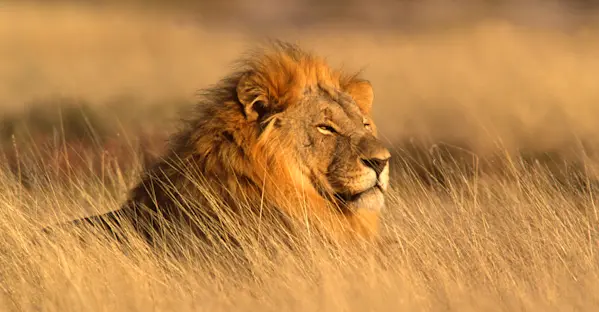
Even during fieldwork, wildlife was never far away. We saw zebra, antelope, wildebeest and a wide range of bird species almost daily.
Midway through the expedition, we visited neighboring Ol Choro Oiroua Conservancy, where the full richness of the Mara unfolded.
We watched hyenas gather around a fresh kill, young giraffes sparring in a slow, deliberate contest and lionesses resting with their cubs just feet from the vehicle. Each encounter felt immediate and unfiltered—moments that stay with you long after you leave.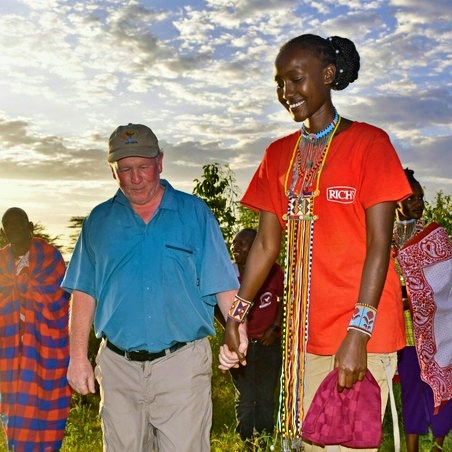
Sundowners and Storytelling
On our final day, Dr. Uzal gathered the team to reflect on what we had accomplished. Over our time at Enarau, we walked eight bird survey transects, each just over half a mile long, and identified 107 species, completed 10 mammal surveys, assessed vegetation across 12 plots, cleared more than 500 square meters of land, prepared over 1,500 seedling pots and captured hundreds of wildlife images with camera traps.
But beyond the data, what stayed with me was the sense of being part of something just beginning—a conservation effort with the potential to shape the future of this landscape.
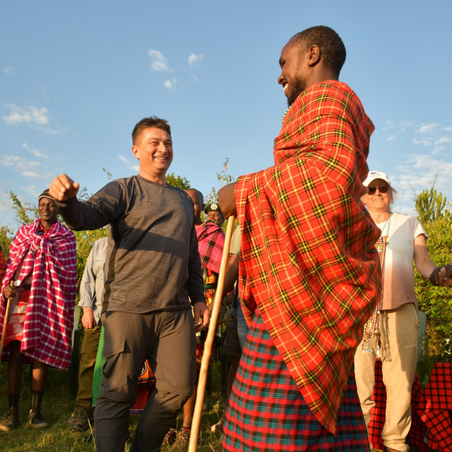
That evening, we gathered for sundowners, listening to stories from a Maasai elder, sharing laughter and watching the light fade across the savanna. It was a reminder of how this work brings people together in support of something larger than themselves.
I left with a sense of gratitude—and a hope to return one day to see how Enarau has grown. Perhaps then, I’ll watch elephants, giraffes and rhinos move freely through a restored landscape, a reflection of what sustained, collaborative conservation can achieve.
Ready to Restore the Wild?
Join Monitoring Wildlife Recovery in Kenya’s Maasai Mara and work alongside scientists to help restore a vital savanna ecosystem. Spend your days in the field, contribute to meaningful research and witness the impact of your efforts firsthand.
Your work supports long-term solutions for one of Africa’s most important wildlife landscapes.