Reading the Empty and Open Places
The long waits now common at airports do have one advantage: they give us a chance to catch up on our reading while getting to and coming back from our travel destinations. Anticipating such a delay at one point or another during a recent trip, I went to my bookshelf for a good read to take along. Looking down the row of titles, I had several choices on the same theme: would it be The Solace of Open Spaces, opens in new tab by Gretel Ehrlich (1986), Open Spaces, opens in new tab by Jim Dale Vickery (1991), The Necessity of Empty Places, opens in new tab by Paul Gruchow (1999), or The Last Empty Places: A Past and Present Journey through the Blank Spots on the American Map by Peter Stark (2010)?
Clearly, in reading tastes at least, I’m drawn to empty and open places. But given the three decades these four titles alone span, I must not be the only one.
Illumination out of the dark
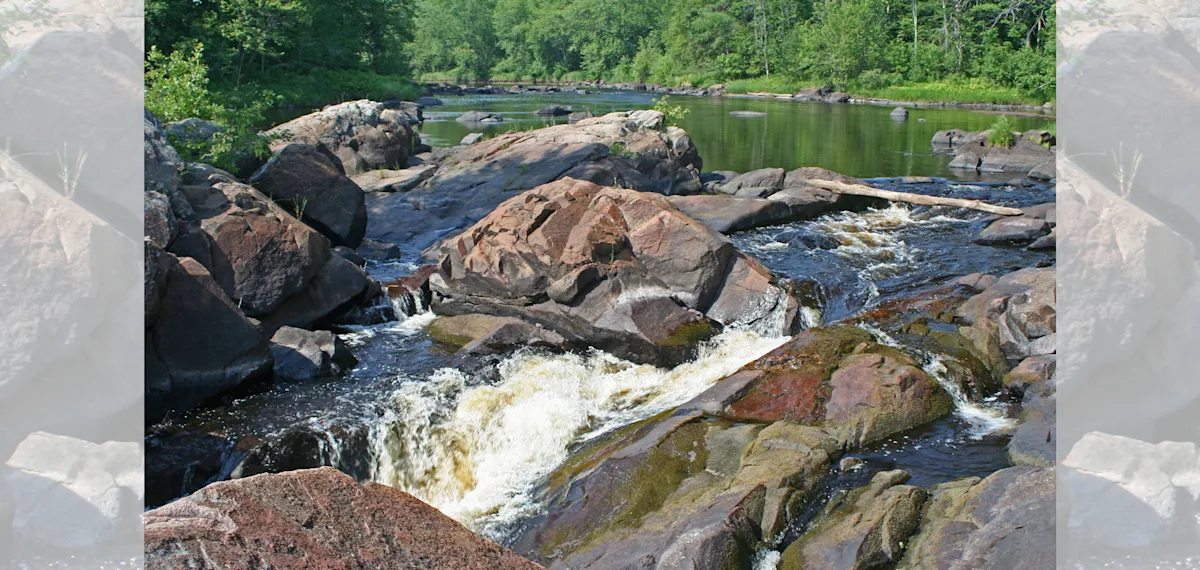
One of the things that drew me to the most recent book on this list, Peter Stark’s The Last Empty Places: A Past and Present Journey through the Blank Spots on the American Map, was that the author grew up in an old log cabin in the woods of Wisconsin, my home state. After 40 years of traveling the world and writing about it, this journalist decided to turn his attention to his own country. He acquires a copy of the Nighttime Map of the United States,, opens in new tab a satellite shot showing population densities by concentrations of electric lights across the nation. Cross-referencing the map with a Times Atlas and a Rand McNally road map, he plots adventures to four “blank” spots—places, he hopes, that are still empty.
Lured by those dark areas on paper, Stark spends the next two-and-a-half years roaming northern Maine, western Pennsylvania, southeastern Oregon and the New Mexican desert. In his quest for emptiness, Stark is often reminded of the American naturalists and thinkers who influenced his life: including Henry David Thoreau,, opens in new tab Ralph Waldo Emerson, opens in new tab and the Scottish-born wilderness champion, John Muir, opens in new tab—another man with Wisconsin ties. Much like Stark, University of Wisconsin enrollee John Muir grew up in a cabin in the Wisconsin woods, exploring the rivers and lakes just 50 miles from where Stark spent his boyhood.
Unfortunately, Stark fails to find that his “dark places” are truly empty ones. In each of the four spots, he uncovers stories of and proof that Native Americans and white settlers have already been there. He concludes that while there may be no more empty places left in the United States, the power of wilderness—for example, the wonder you feel when you see, for the first time, a less-trodden forest or a wild and fast river—is never diminished.
Empty places are still with us
In a world where everyone can—and often does—write articles, author books, blog and tweet about her favorite market stall in Quito or his well-liked lodge in Kamchatka, keeping a much loved place secret—and thus empty—may seem obsolete. And yet, we continue to think of places devoid of humans that only we ourselves can go to for adventure. Sometimes these spaces are in the middle of the busiest tourist places; those places that would light up on Stark’s Nighttime Map of the United States. It’s just that now, these very real, physical locations are reset in our minds.
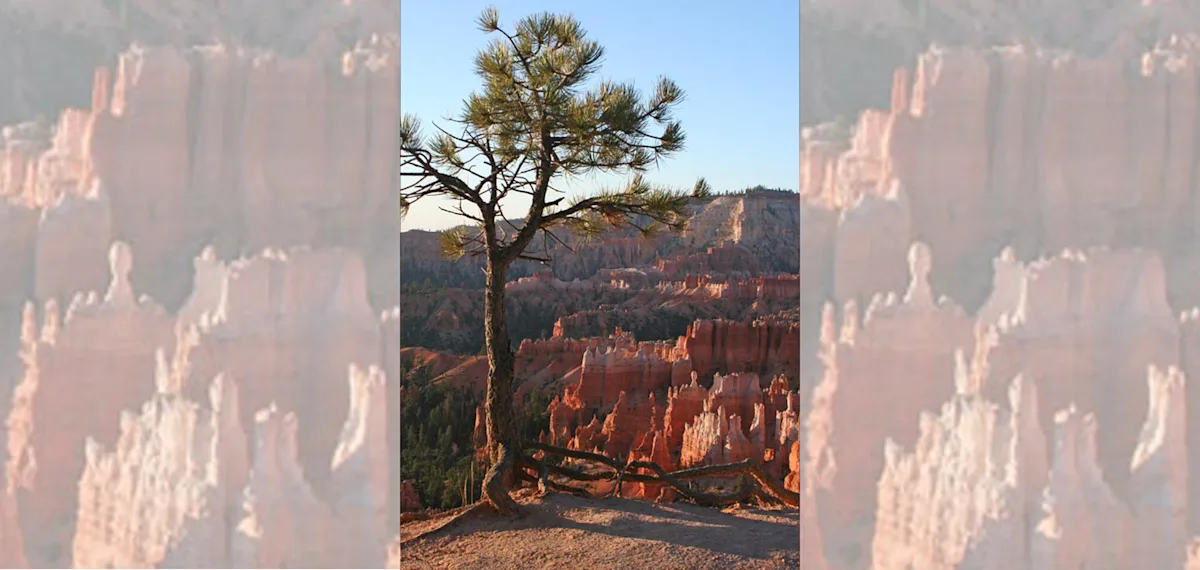
For instance, I know of the best spot in Utah’s Bryce Canyon National Park to sit and contemplate the hoodoos. Although my special spot is next to a trail that carries hundreds of people every day, when I read about my former adventure there in my diary, in my mind’s eye I am the only person around.
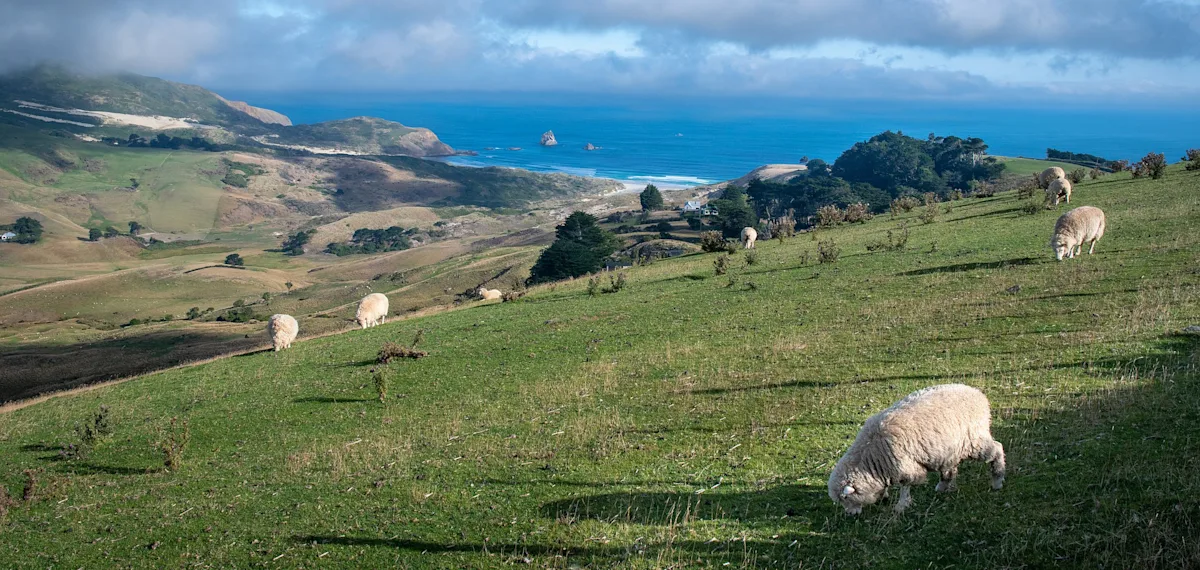
I once met a 90-year-old, former sheepherder named Donald in New Zealand. Donald’s family had lived on his ranch in the Hector Mountains for 125 years. During his long life, Donald had rarely left the homestead, so he had a familiarity with his home ground that few achieve. I was privileged to accompany him in a van one day on a group adventure tour, for a drive up the foothills so we could get a sweeping look at his holdings and hear his stories of the area.
Up and up on a narrow, gravel road we went, as Donald talked of his grandfather who came to New Zealand from Scotland. “Mustering was good work as long as you had good dogs,” he stated, as if it were a long-remembered, natural law.
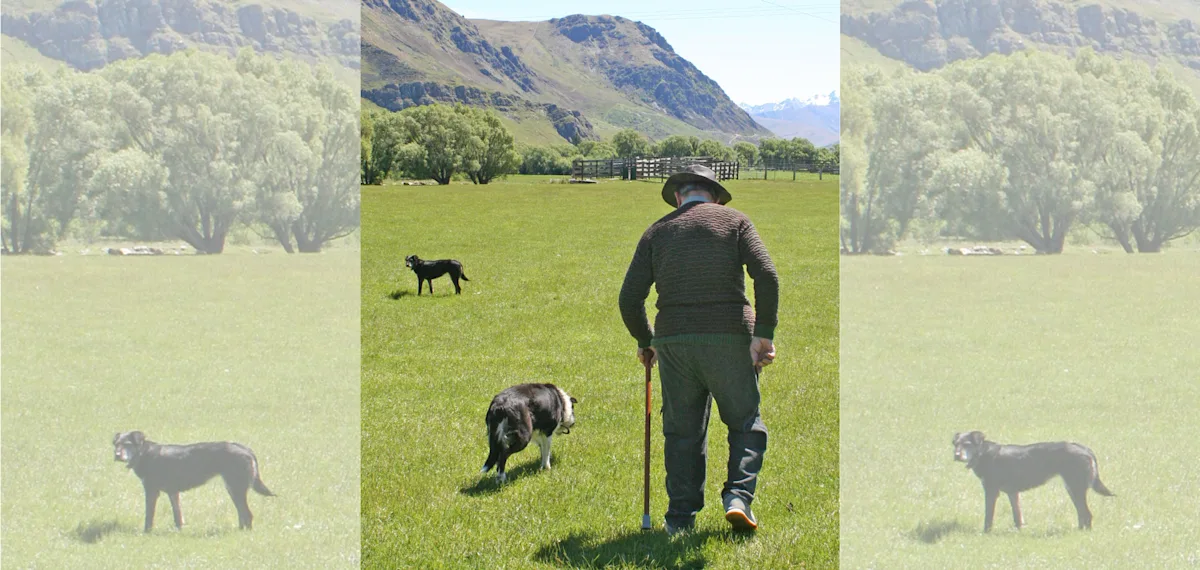
Higher and higher we climbed. At 5,000 feet, Donald said, “This is a young man’s country. I would have to get in a chopper to see all this land now. Mostly, I just stand down below and look up.”
Although I was standing on a New Zealand mountain right next to Donald with 10 other tourists and looking at exactly the same spot he was, I knew I wasn’t seeing the same place. He was looking at the one where he was young and strong and alone up here with his sheep, exploring the rocks and crannies on his own.
Empty places are still here, I thought; in you, in me and in old musterers who still stop to look up.
Here’s to finding your true places and natural habitats,
Candy