Good Nature Travel Blog

3402 stories

  • Conservation

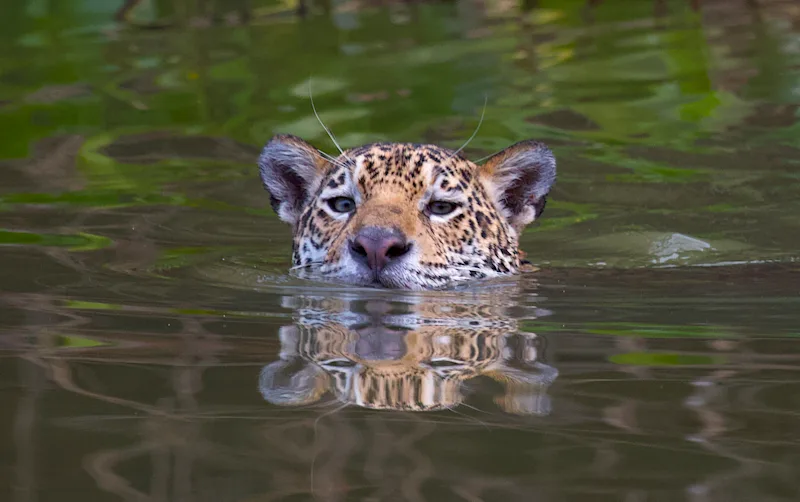
    Update: Wildfires in Brazil

    Jul 30, 2020 · WWF

    By Karl Egloff, WWF The Pantanal has fascinated me since I first learned about it in a documentary ten years ago. It is a world of contrasts with dramatically different wet and dry seasons, and a land of many uses spanning three countries. Home to the elusive jaguar, other varieties of wildlife, spectacular landscapes, and Brazil’s rich cowboy or “pantaneiro” heritage, the Pantanal is quickly becoming part of every wildlife traveler’s bucket list.
  • African Safaris

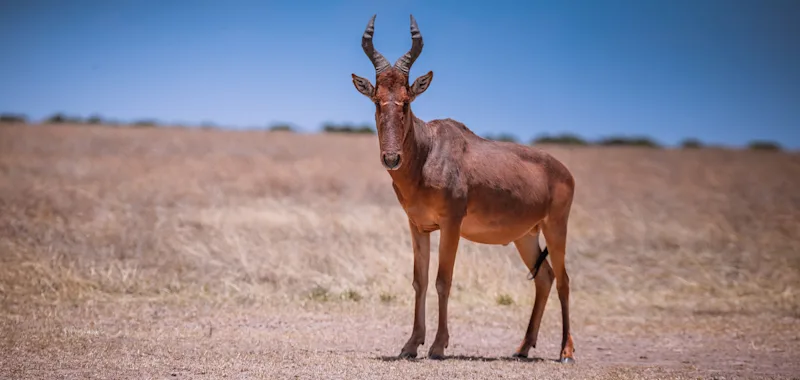
    Kenya’s Cattle Ranchers Conserve Wild Hartebeests—and Lion Predators

    Jul 28, 2020 · Candice Gaukel Andrews

    Hartebeests—the narrow-faced, savanna-adapted and unusual-looking African antelope that are native to more than 25 African countries—are on a downhill population slide. The African Wildlife Foundation estimates that there are about 360,000 of them left in eight to 10 recognized subspecies, one of which is entirely extinct. In Kenya, particularly, hartebeest numbers are decreasing, threatening extinction.

  • Europe

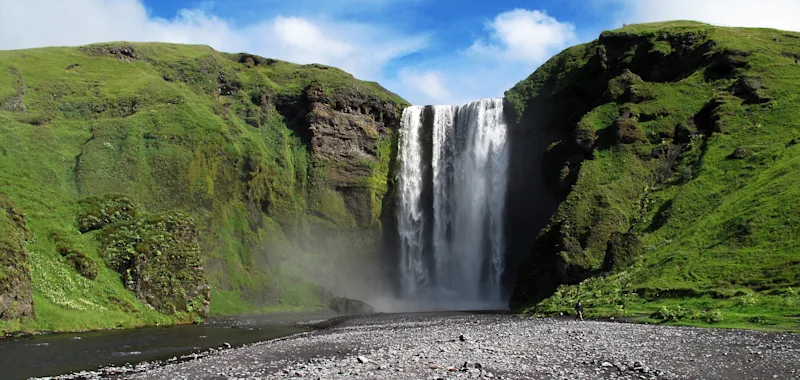
    Feel Like Screaming? Iceland Wants to Help.

    Jul 21, 2020 · Candice Gaukel Andrews

    Shelter-in-place orders. Mask-wearing edicts. Quarantine guidelines. Social-distancing rules. Flatten-the-curve requirements. Temperature-taking regulations. Public-health travel restrictions. In-person, back-to-school mandates. The coronavirus pandemic, with all the unwanted stressors it’s brought into your life, can sometimes make you feel like you want to scream, right? I feel your pain. So, apparently, does Iceland.

  • Nature & Wildlife

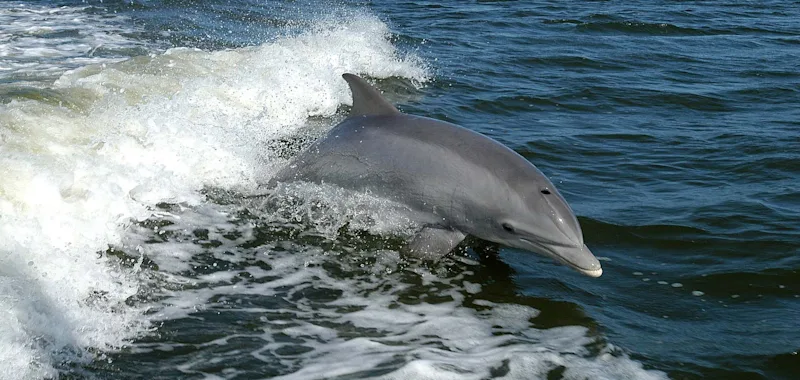
    COVID-19 and Feeling Out Friendships—of the Dolphin Kind

    Jul 7, 2020 · Candice Gaukel Andrews

    I had a much-needed get-together with a longtime friend over the weekend—via Zoom, of course, during these coronavirus times and after at least five consecutive days of rising cases in the United States.

  • Latin America

    Watch: WWF’s VP of Ocean Conservation discuss the Galapagos

    Jul 3, 2020 · Hannah Wagner

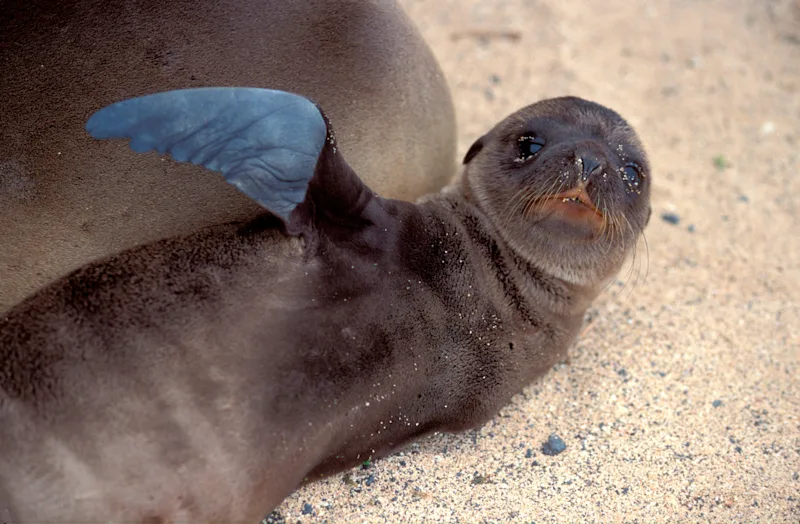
    Earlier this summer, Lauren Spurrier, WWF’s Vice President of Ocean Conservation joined Natural Habitat Adventures’ Daily Dose webinar series to talk about the Galapagos. Watch the recording here! WWF has worked in the Galapagos for over 50 years.

  • Conservation

    Outdoor Education Is Disappearing Due to COVID-19

    Jun 30, 2020 · Candice Gaukel Andrews

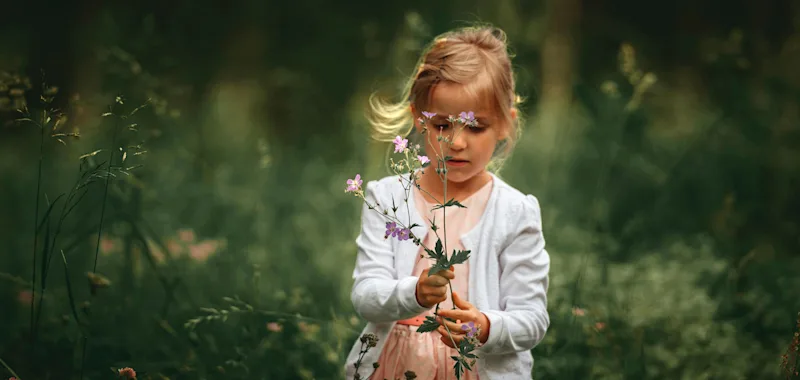
    We know that having had exposure to nature as a child makes you a healthier adult—both mentally and physically. Several scientific studies have proven that outdoor time boosts kids’ classroom performances, enhances their imaginations and attention spans, decreases their aggression and helps them to grow lean and strong.

  • Videos

    Videos: Nature Finally Talks Back—Redux

    Jun 23, 2020 · Candice Gaukel Andrews

    Throughout history, philosophers have construed the universe in many ways, and one of the oldest is to see it made up by pairs of opposites. For example, art and science, good and evil, matter and motion, structure and function, and living and nonliving all exemplify this particular way of looking at the cosmos.

  • Videos

    Videos: Nature Finally Talks Back—Again

    Jun 16, 2020 · Candice Gaukel Andrews

    In the past few months, as the coronavirus has raged around the world, many of us who were sheltering-in-place have had a simple, binary choice: stay inside at home, or take a walk outside.

  • Conservation

    15 Recommended Nature Films from WWF’s Jim Sano

    Jun 8, 2020 · Hannah Wagner

    Every year, The Wild and Scenic Film Festival, The Environmental Film Festival, and more showcase films that celebrate Earth. With awards for activism, adventure, travel, and more, these films immerse viewers in the far-reaching corners of our planet and highlight incredible nature stories.

  • Nature & Wildlife

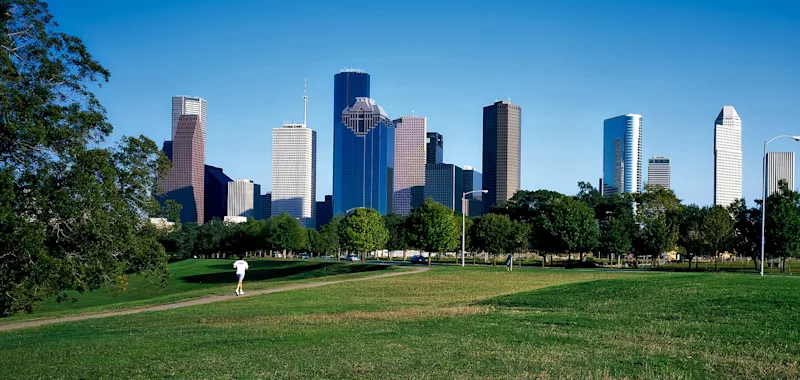
    City Plans to Consider Nature’s Impact on Mental Health

    Jun 2, 2020 · Candice Gaukel Andrews

    There are two astonishing facts about how we live that I think are closely related. The first is that by 2050, two of every three people on Earth will reside in a city. The second is that almost one in five adults globally is dealing with a mental illness.