

Conservation
Saving Species from Extinction
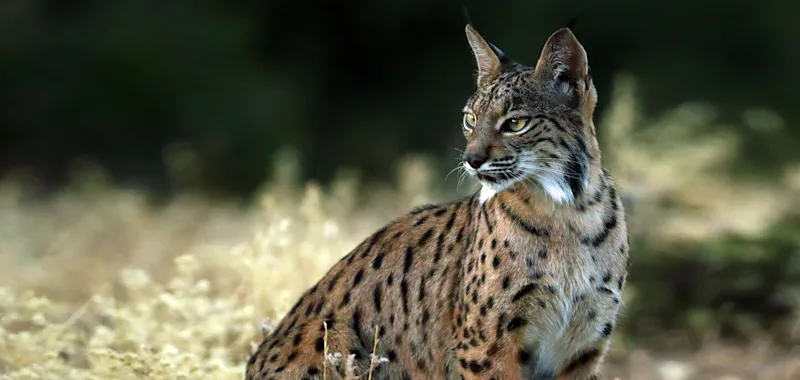
Around the world, the variety of living things—defined as biodiversity—is declining, as increasing numbers of species face the risk of extinction.
Conservation
Around the world, the variety of living things—defined as biodiversity—is declining, as increasing numbers of species face the risk of extinction.
Nature & Wildlife
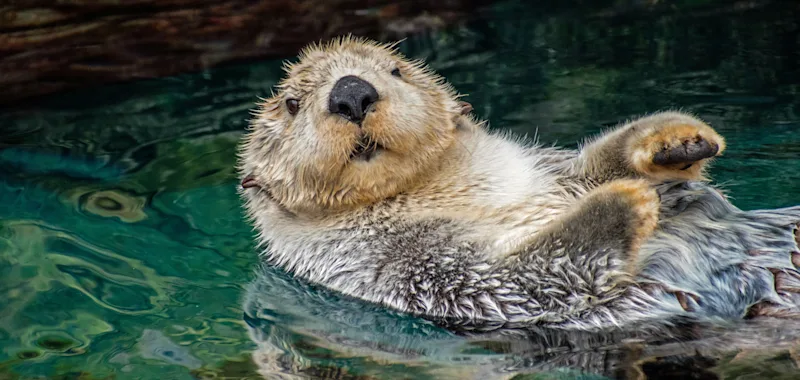
Sea otters can be a powerful ally in confronting climate change, according to the Monterey Bay Aquarium in California. In places where they’re thriving, they can maintain and restore kelp forests and coastal wetlands, strengthening our natural defenses against the worst impacts of a warming world.
Conservation
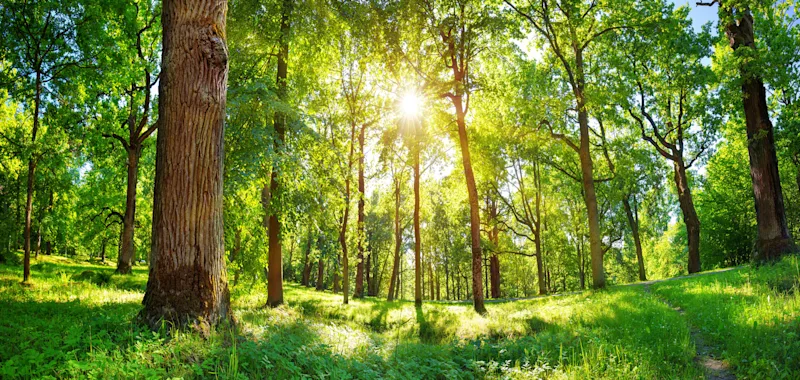
Conservation is a complex and multifaceted undertaking, requiring the concerted efforts of communities, governments, individuals and organizations to safeguard and manage ecosystems, natural resources and wildlife.
Nature & Wildlife
I believe that we are drawn to certain terrains. We know instinctively what landscape feels most like home when we want to wander, whether it’s mountains, seascapes or wide, open ranges. Our inclination for peregrination is old.
Nature & Wildlife
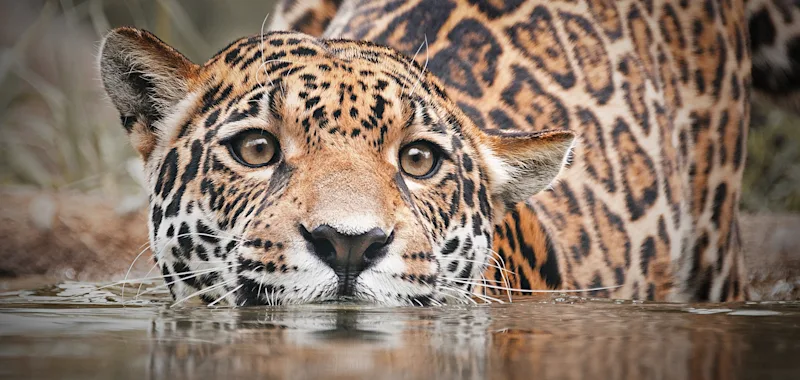
Animals and plants are remarkably resilient in the face of environmental changes. Their creative adaptations and strategies for surviving in ever-altering conditions include going dormant, developing drought tolerance, adjusting migrations, switching to nocturnal activity, forming a salinity tolerance and making social partnerships.
Nature & Wildlife
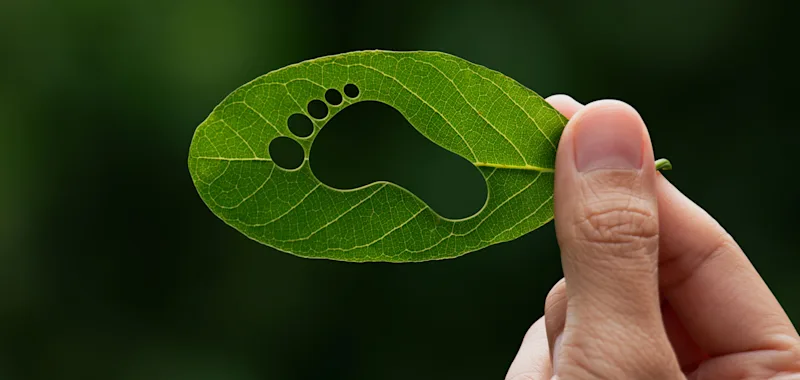
Our impacts on the natural world can be very large—and often detrimental. This manifests in various ways, including in biodiversity loss, climate change, habitat destruction and pollution. These changes can have cascading effects on ecosystems and human societies, leading to a range of challenges.
Antarctica & Arctic
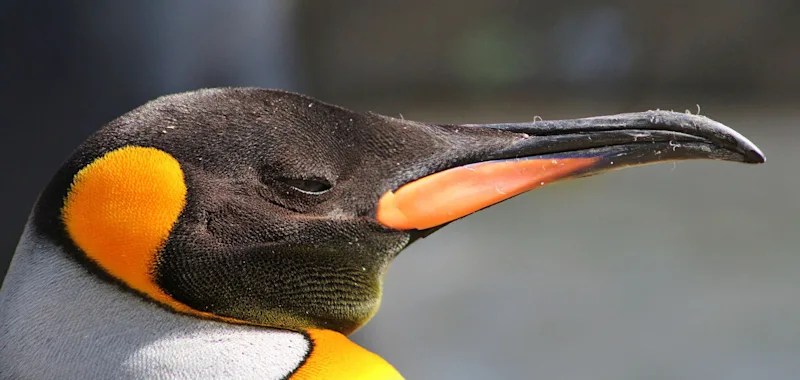
Part of the reason that I’m so enthralled with Antarctica is because it’s one of the rare places on Earth that has never had an Indigenous population; in other words, there are no native human Antarcticans. Of course, animals other than us have lived there for eons. Perhaps, the best known and most abundant are penguins.
Nature & Wildlife
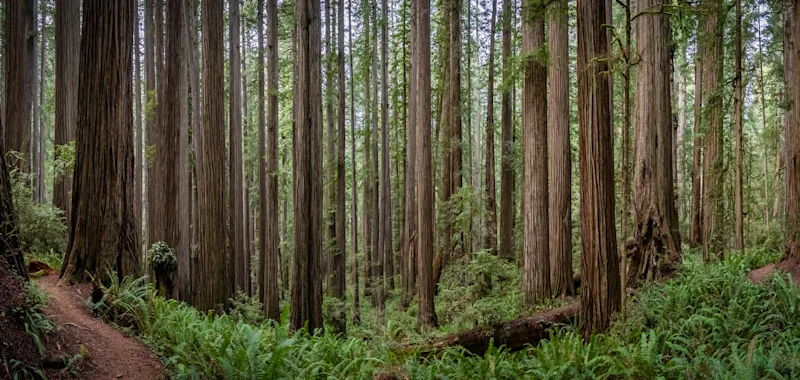
What if all the biodiversity on Earth followed a surprisingly simple pattern? There is a universal rule that applies to everything from dragonflies to forests.
Alaska
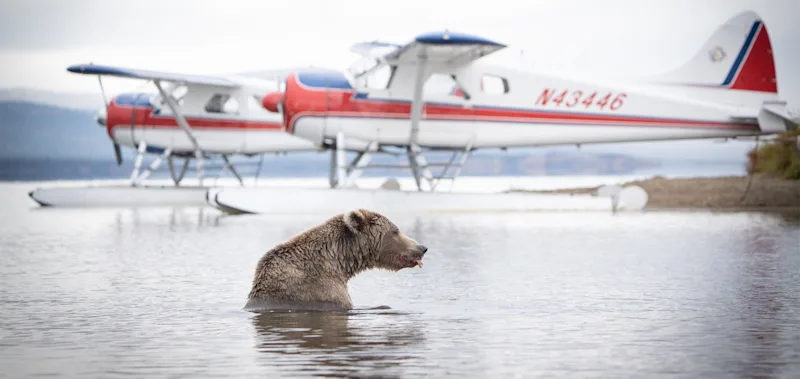
Anyone trying to convey the grandeur of an Alaska wilderness adventure knows how difficult it is to articulate the majesty of the place. With 17 of the 20 highest peaks in North America, 100,000 glaciers, more than 12,000 rivers and three million lakes, Alaska supports a vast wilderness.
Conservation
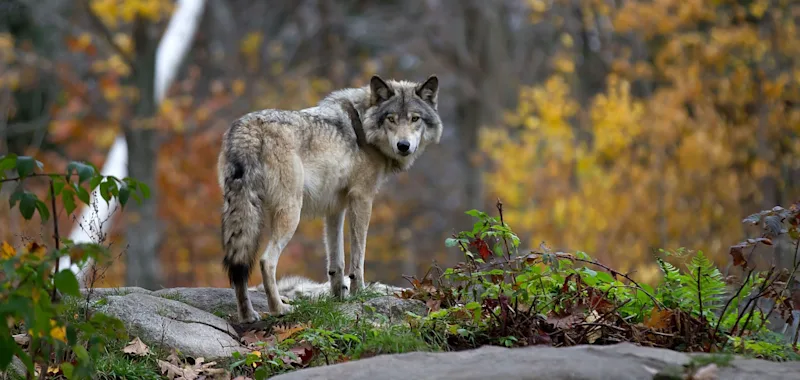
Like sharks, wolves have an unfair reputation for being villains. Children grow up reading fairy tales about the “big bad wolf.” But in reality, these animals are generally not harmful to humans, as they shy away and avoid any interactions with us.
Conservation
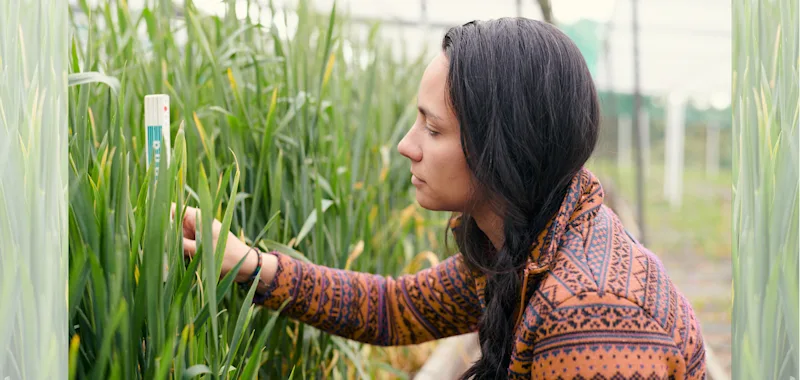
Conservation is growing up. The field is no longer just about how to protect an animal group’s numbers and making efforts to keep it from going extinct by identifying key habitats and focusing on natural resource management. Ethnobiology has entered the conservation space in a big way.
Churchill Polar Bears
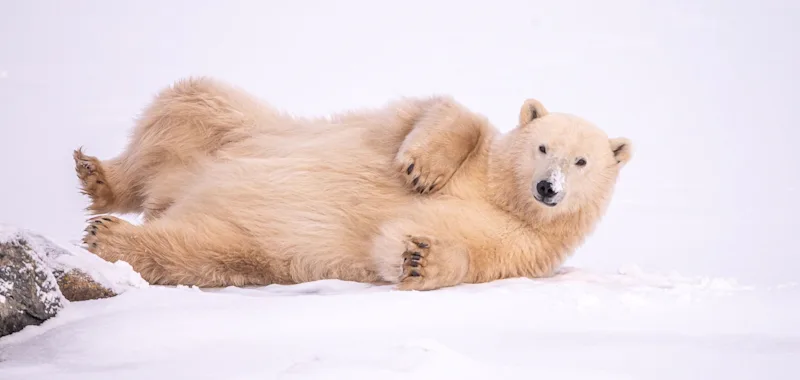
Polar bears (Ursus maritimus) are often in the news as the “poster animals” of climate change, but outside of the fact that they are big, look white (yes, that “look” part is important!), and their habitat is in severe danger, what else do most people really know about them?