Good Nature Travel Blog

  • News & More

    Escape Artists: Nat Hab Staff Get Travelers Home During Covid Crisis

    Apr 28, 2020 · Wendy Redal

    After a frenzied stretch in March with international borders unexpectedly closing like dominoes, all Nat Hab travelers around the world returned safely home, thanks to the heroic efforts of our operations team and especially our in-house air department. This narrative includes some of those stories, which give “adventure travel” a whole new meaning!
  • Nature & Wildlife

    See World Heritage Sites with Natural Habitat Adventures

    Jan 21, 2020 · Candice Gaukel Andrews

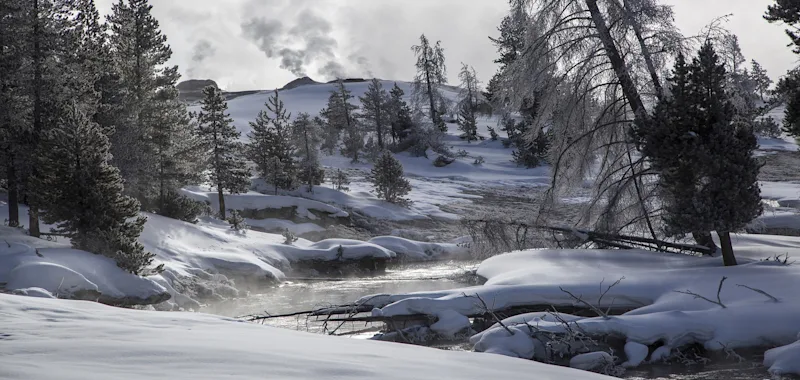
    The United Nations Educational, Scientific and Cultural Organization (UNESCO) defines world heritage as “our legacy from the past, what we live with today, and what we pass on to future generations. Our cultural and natural heritage are both irreplaceable sources of life and inspiration.”

  • Galapagos Islands

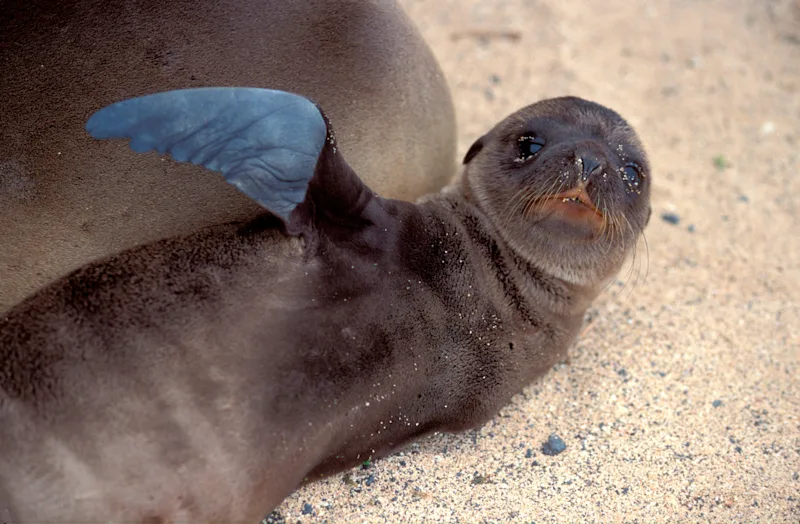
    When to see Baby Animals in the Galapagos

    Nov 5, 2019 · WWF

    The Galapagos Islands offer so many unique experiences for travelers. From encounters with wildlife unbothered by humans to the varying geological features from island to island, there is so much to see and learn.

  • Conservation

    Sustainable Farm Contributes to Galapagos Giant Tortoise Conservation

    Oct 31, 2019 · Emily Goodheart

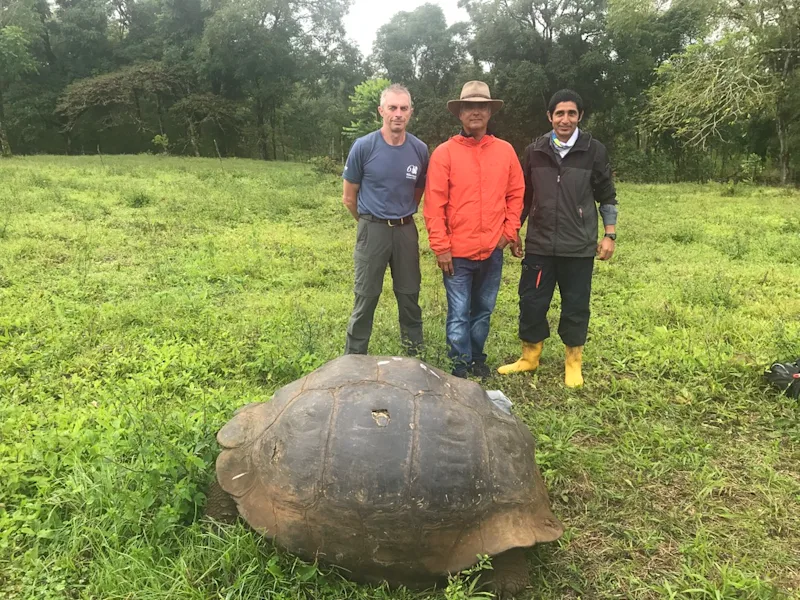
    Roberto Plaza is the owner of Montemar, a sustainable farm on Santa Cruz Island dedicated to Galapagos giant tortoise conservation. In 2010, Roberto and his wife, Reyna, began growing Arabic coffee on abandoned pasture land. The coffee flourished under the shade of tropical fruits and native trees, which the couple painstakingly planted.

  • Galapagos Islands

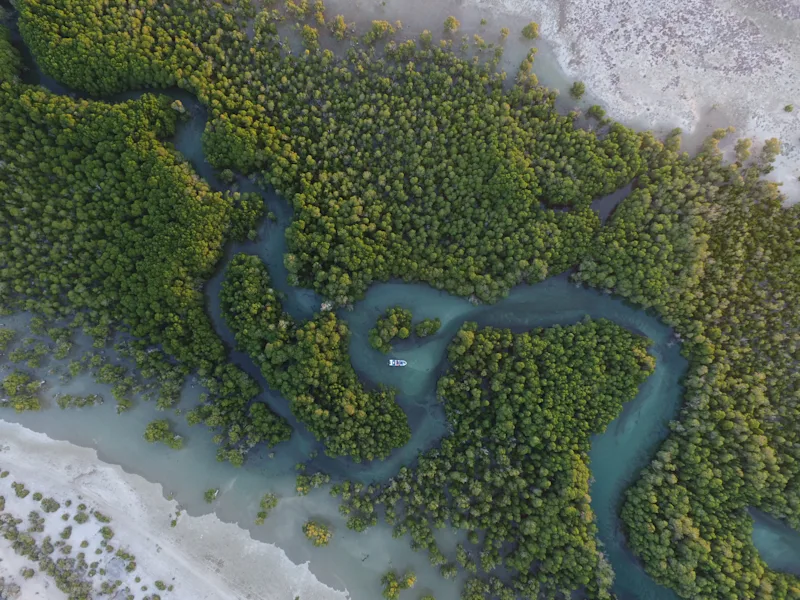
    Are Mangroves Your Next Destination?

    Jul 10, 2019 · Hannah Wagner

    They should be! A recent study by The Nature Conservancy revealed the benefits of tourism on mangrove forests. Though they are not always the star of the show, mangrove forests are widely visited by tourists. Over 4,000 mangrove attractions across 93 countries bring out millions of visitors.

  • Galapagos Islands

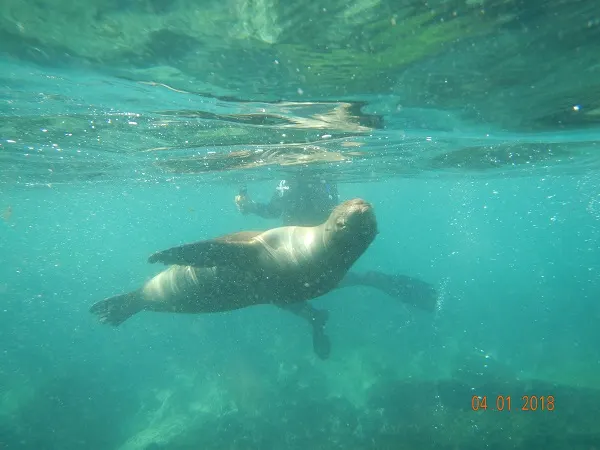
    Fun with Mammals in the Galapagos

    Apr 6, 2019 · Natural Habitat Adventures

    The ocean environment is a place where we, as humans, do not belong. It’s cold, full of confusing and potentially dangerous animals, and, thanks to our air-needy lungs, it will kill us without adequate equipment.

  • News & More

    Fernandina Giant Tortoise Found After 113 Years of ‘Extinction’

    Feb 22, 2019 · Emily Goodheart

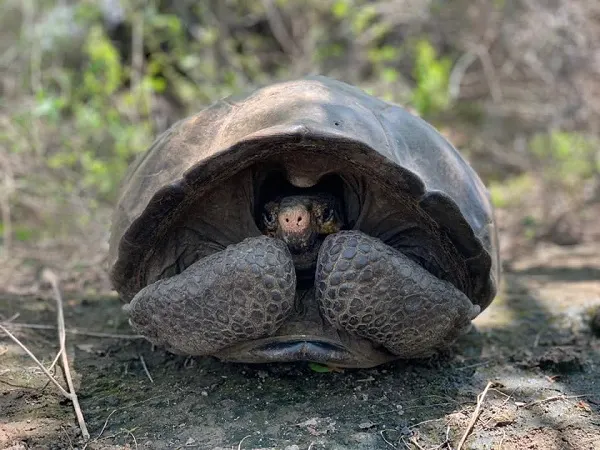
    More great news for the Galapagos! A species of giant tortoise, believed to have been extinct for the past 113 years, has been found on the island of Fernandina. This historic discovery comes a month after land iguanas were reintroduced to Santiago Island for the first time in 184 years.

  • Conservation

    Great News for the Galapagos: Land Iguana Brought Back from Extinction on Santiago

    Jan 24, 2019 · Emily Goodheart

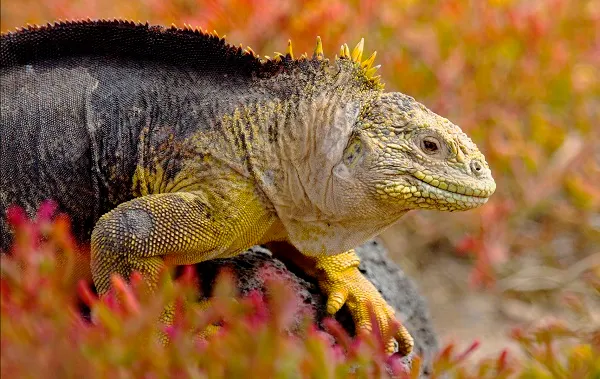
    The new year rang in a landmark win for conservation in the Galapagos as land iguanas were reintroduced to Santiago Island for the first time in 184 years. One of the last people to record land iguanas, Conolophus subcristatus, on Santiago was the celebrated naturalist Charles Darwin in 1835.

  • Travel Tips

    Traveling Small in the Big Outdoors

    Jan 22, 2019 · Candice Gaukel Andrews

    Being an inveterate introvert, I avoid large crowds—well, really, even groups of people numbering 15 or more—like the plague.

  • Conservation

    New Year’s Day 2019: What Outdoor Place Misses You?

    Jan 1, 2019 · Candice Gaukel Andrews

    My father never had the “urge for going,” as songwriter-singer Joni Mitchell calls it—the desire to travel. I place the blame for that fact squarely on the shoulders of World War II.

  • Conservation

    Signing Pledges to Be Better Tourists

    Nov 27, 2018 · Candice Gaukel Andrews

    While travel has the potential to positively impact the places visited—infusing money into local economies, supporting local artisans and conservation projects, and promoting understanding across cultures—it also has the capability to destroy the very things we seek to experience and explore.