Good Nature Travel Blog

  • News & More

    Concrete Jungles Store Carbon Dioxide, But Is It Enough?

    Feb 21, 2017 · Candice Gaukel Andrews

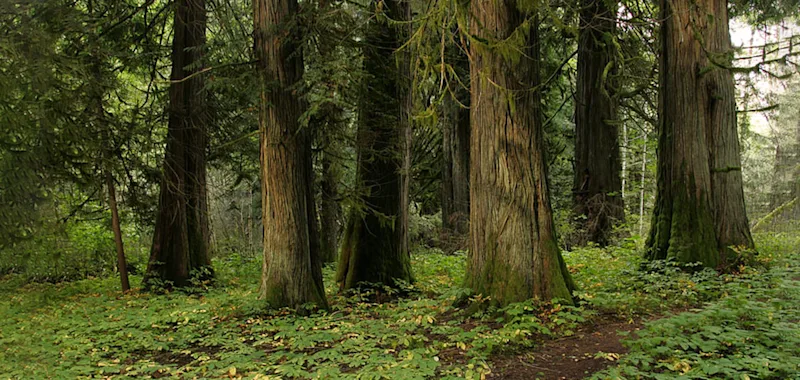
    Called the “lungs of the world,” our planet’s forests store more carbon dioxide in their leaves, soil and wood than is contained in the Earth’s entire atmosphere—often for hundreds of years. Forests keep the Earth cool and give off oxygen, making it possible for us to live here.
  • Conservation

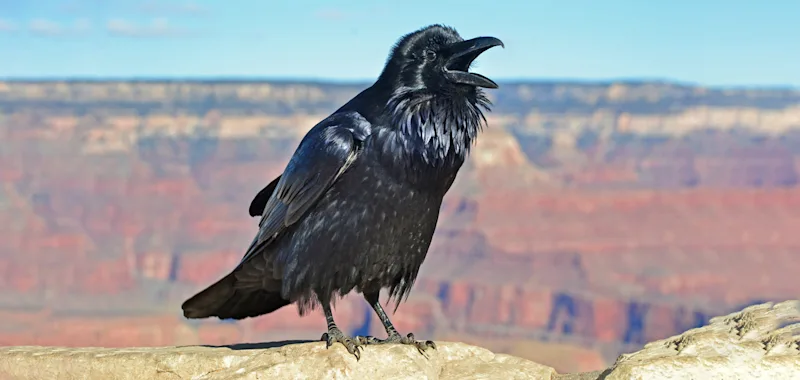
    Remedy for Deforestation: Raven Replanters

    Feb 16, 2016 · Candice Gaukel Andrews

    Corvids—a family of birds that includes crows, jays, magpies, nutcrackers and ravens—are smart animals. They can make tools, recognize individual human faces and give our five-year-old children a run for their money in solving puzzles.

  • Videos

    Video: Spend Two Minutes with Our Awe-Inspiring Earth

    Jan 7, 2016 · Candice Gaukel Andrews

    Almost a decade ago, the world fell in love with the documentary series Planet Earth. Produced by the BBC, the project employed 71 cameramen spending more than 2,000 days in the field, filming in 204 locations across 62 countries.

  • Videos

    Video: Counting—and Counting On—the World’s Trees

    Nov 12, 2015 · Candice Gaukel Andrews

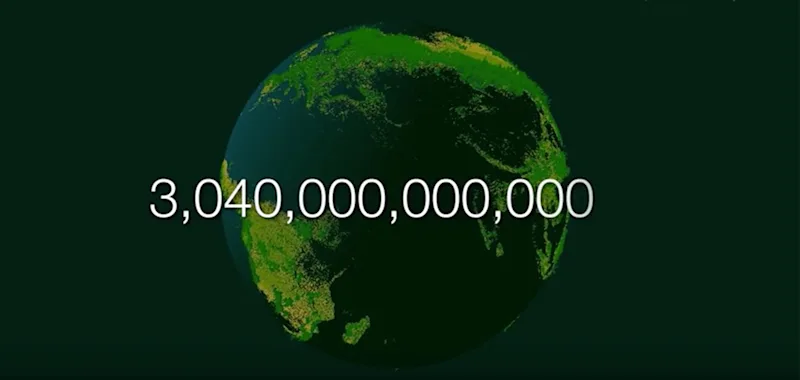
    How many trees are there in the world? That’s a question you—or a child in your life—has probably asked many times. Until now, however, there hasn’t been a very precise answer. But according to a new video produced by Nature, there are 3.04 trillion trees in the world; a number that’s hard to mentally grasp.

  • Conservation

    Would You Pay More for Your Coffee If It Helped Birds?

    Oct 6, 2015 · Candice Gaukel Andrews

    Coffee. In my opinion—other than clean, pure water—it just may be the best drink on Earth. That’s why I celebrated last Thursday, October 1, the first official International Coffee Day, with several cups of my favorite brew.

  • Videos

    Video: Trees Have Their Own Internet, and It Works Like Ours

    Oct 1, 2015 · Candice Gaukel Andrews

    I admit I may be what some would consider a little too woo-woo, “out there” when it comes to trees. I’ve always had a special affinity for them; I’ve even written whole books about them.

  • News & More

    South Korean Forest Is Cut Down for the Olympics: Is Restoration Possible?

    Sep 22, 2015 · Candice Gaukel Andrews

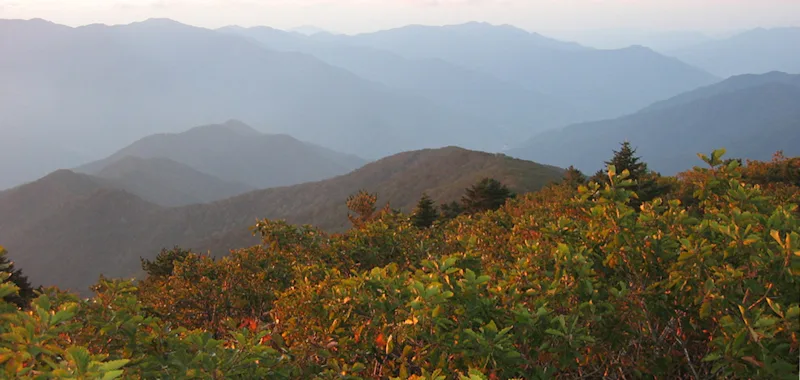
    Most of us see the benefits of the world’s Olympic Games: they are some of the very few times nations come together to showcase their most beautiful landscapes and best athletes. For the hosting cities and countries, the hope is that the events will result in economic gains through tourism, marketing and other means.

  • Conservation

    One Bear’s Bad, Last Human Encounter

    Jun 9, 2015 · Candice Gaukel Andrews

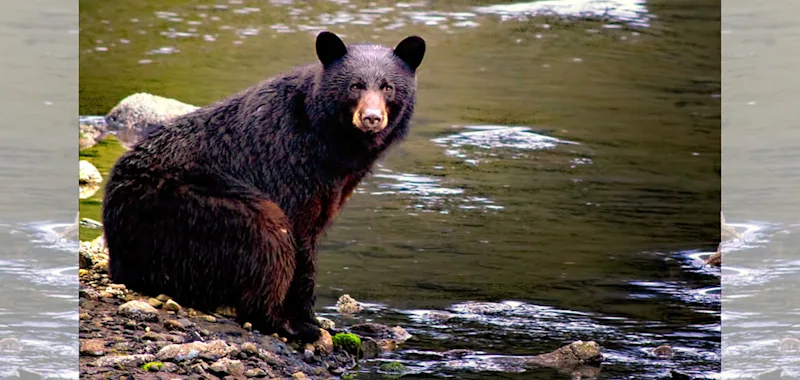
    Almost a year ago, in July 2014, Washington state experienced the worst string of wildfires ever in its history. The first fire began on July 8 near the Entiat River. Then, on July 14, a lightning storm started dozens more across the eastern Cascade Range.

  • Videos

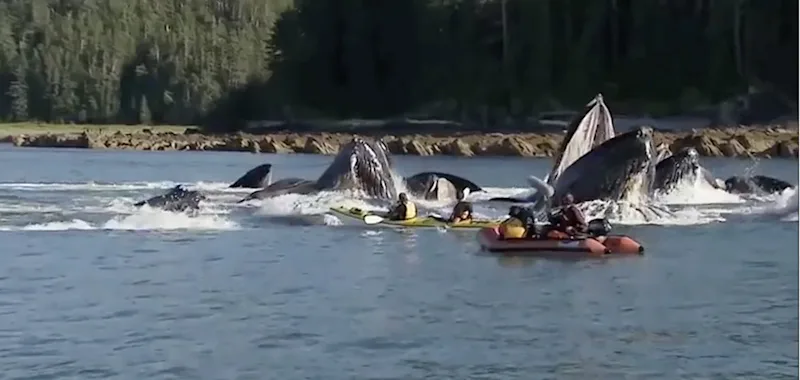
    Video: How Whales Help Sequester CO2

    Apr 30, 2015 · Candice Gaukel Andrews

    We know that the world’s forests—boreal, temperate and tropical—play a large role in sequestering carbon dioxide (CO2)—as long as drought, harvesting, insect damage and wildfires don’t overpower them. But we may have another “champion” helping us to combat rising CO2 levels: whales.

  • Travel Tales

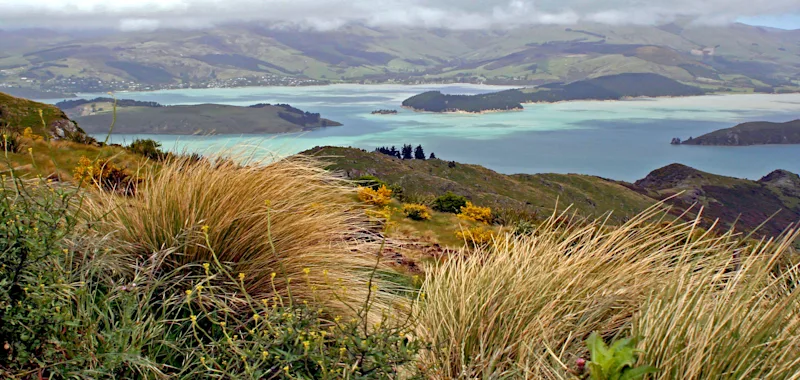
    Traveling in New Zealand: Separated by the Same Language

    Jan 15, 2015 · Candice Gaukel Andrews

    When you first start exploring beyond your home ground, you tend to see everything in relation to where you live: what’s different, what’s similar, what’s unheard of and what’s exactly the same. I suppose it’s our way of getting a grip on new surroundings and beginning to have them make sense.

  • Nature & Wildlife

    New Year: Top 10 Things I Learned about Nature in 2014

    Dec 30, 2014 · Candice Gaukel Andrews

    The year 2014 is now in its final hours.Traditionally, during these last, waning days, we look back on what kind of year we just had, what we accomplished and what we could have done better.

  • Videos

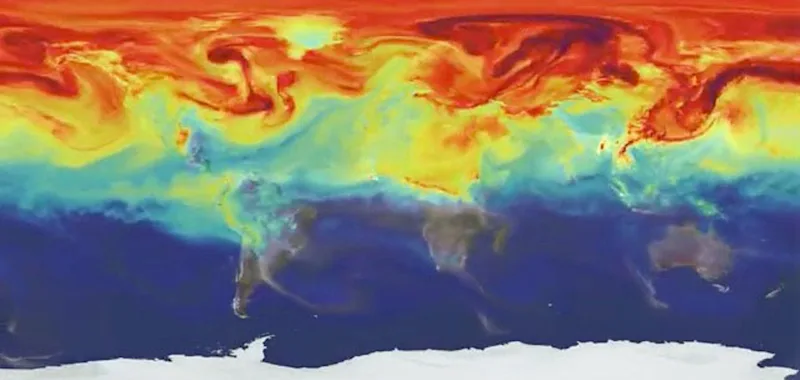
    Video: A New, High-Resolution Look at Atmospheric Carbon Dioxide

    Dec 2, 2014 · Candice Gaukel Andrews

    We Earthlings are lucky. While other planets in our solar system are either blistering hot or bitterly cold, the surface of Earth has relatively mild and stable temperatures. We get to enjoy these conditions because of the Earth’s atmosphere, the thin layer of gases that envelop and protect our planet.