Good Nature Travel Blog

  • Conservation

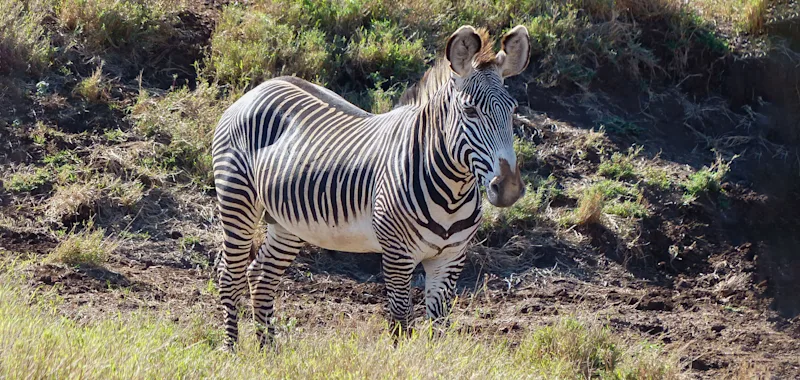
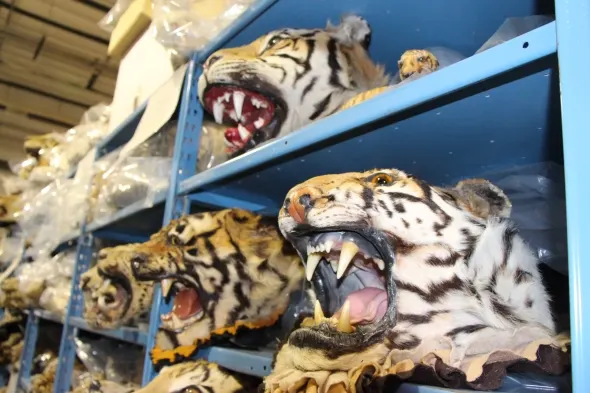
    Five Questions about Wildlife Trafficking with WWF’s Crawford Allan

    Dec 13, 2013 · Elissa Poma

    Dozens of customs officials bust through the door of a remote and quaint-looking farmhouse. The first thing Crawford Allan sees when he enters following the raid? A preserved chimpanzee head on a table in the living room, a macabre trinket on display like a family heirloom.
  • Videos

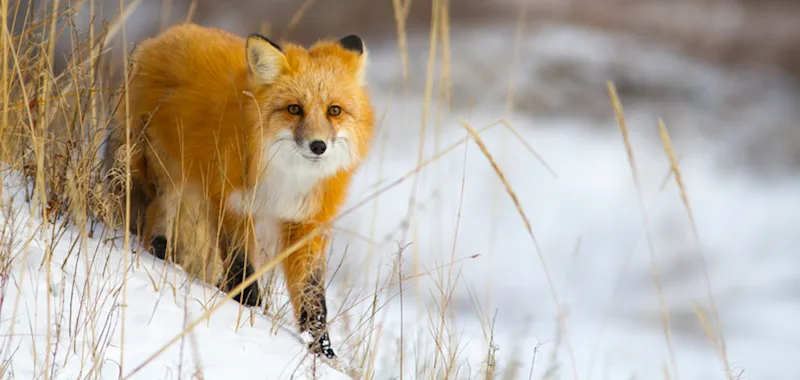
    Video: A Hunting Red Fox Demonstrates His Scientific Method

    Dec 12, 2013 · Candice Gaukel Andrews

    Watching a red fox hunt in the winter by slowly creeping forward, listening intently and then jumping high to pounce on prey can be pretty entertaining, but it turns out there’s a lot of science behind all the wild, deep-snow diving.

  • Travel Tales

    One Amazonian Protects the Future of Nature

    Nov 6, 2013 · Elissa Poma

    Originally posted on the WWF Travel Blog By Elissa Leibowitz Poma / WWF Tulio Ahuanari Sima remembers the size of the paiche his fishermen grandfather used to bring home after a day on the river: The tasty and dense Amazonian fish could grow to 11 feet and was so heavy that two or three…

  • Videos

    Video: The World’s Scariest Creatures

    Oct 31, 2013 · Candice Gaukel Andrews

    Snakes, spiders or scorpions—even though you’re a nature enthusiast, chances are that there’s at least one creature found within the world’s diverse animal kingdom that gives you the creeps. Watch the video below and learn what Earth Unplugged thinks are some of the world’s scariest beings.

  • Conservation

    Antarctica's Wildlife Needs Our Help!

    Oct 4, 2013 · Emily Deemer

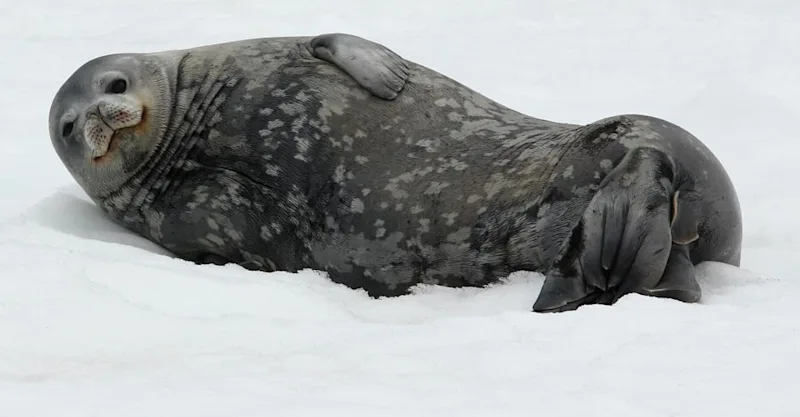
    Did you know that Antarctica is home to more than 10,000 species of penguins, whales, and seals – just to name a few – that are found nowhere else on earth? Unfortunately, Antarctica’s wildlife is facing immense pressure from commercial fishing and climate change.

  • Conservation

    Spotlight on Sustainability: The Importance of Ecotourism

    Jul 26, 2013 · Court Whelan

    Meet Court Whelan, one of the travel industry’s foremost experts on ecotourism and the newest member of the Nat Hab family of Adventure Specialists. This week we are thrilled to debut Court’s first post in a series on the critical role ecotourism plays in conservation and communities.

  • Conservation

    Using Elephants to Pay for Our Wars

    Jun 18, 2013 · Candice Gaukel Andrews

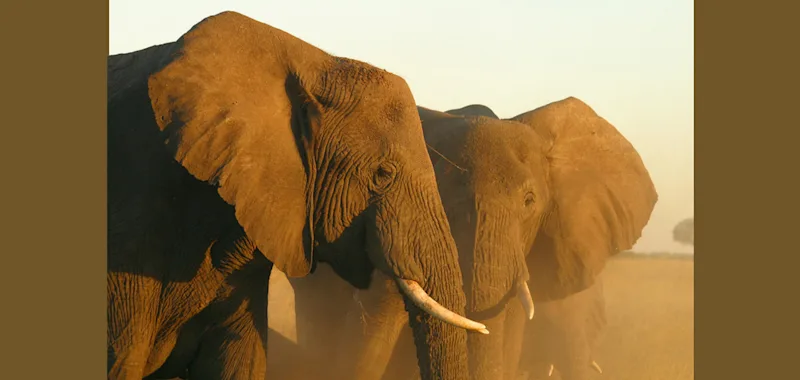
    On Monday, May 6, 2013, 17 heavily armed poachers entered Dzanga-Ndoki National Park in the Central African Republic. They then proceeded to a large clearing known as Dzanga Bai, or “village of elephants,” where between 50 and 200 of the animals congregate daily to drink in the mineral salts found in the sands.

  • Nature & Wildlife

    Are Fences the Last, Best Hope for African Lions?

    Mar 12, 2013 · Candice Gaukel Andrews

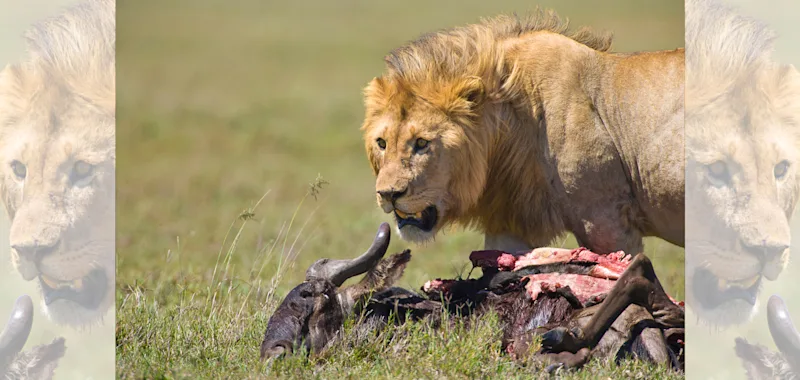
    “Good fences make good neighbors” is a mid-17th-century proverb, popularized by author Robert Frost in his 1914 poem “Mending Wall.” According to a new report published last week, that may just be the case—especially if your neighbors are lions.

  • Conservation

    Protecting Panda Habitat: China’s First Land Trust Reserve

    Feb 19, 2013 · Candice Gaukel Andrews

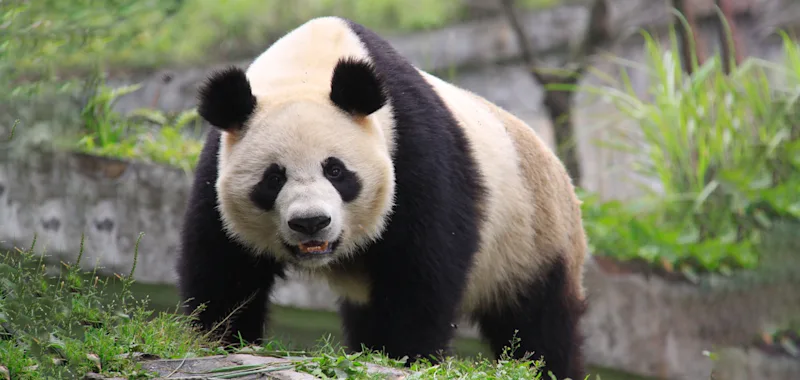
    When images of a wild giant panda gnawing on a takin carcass in China’s Sichuan Province were recently captured on motion-sensor cameras, researchers were caught by surprise. Although pandas are technically carnivores, their diets today consist almost entirely (99 percent) of bamboo leaves, stems and shoots.

  • Conservation

    Calling on Mountain Gorillas

    Feb 1, 2013 · Lisa Poppleton

    The Uganda Minister for Tourism, Wildlife and Antiquities, with the support of The Wildlife Conservation Society, recently checked in with the mountain gorilla population in Bwindi Impenetrable National Park and found the primates doing well.

  • Conservation

    Could New Animal ID Software Aid in Conservation Efforts?

    Jan 22, 2013 · Candice Gaukel Andrews

    Identifying individuals within a group is vital for wildlife ecologists. Following a specific animal can help scientists understand the social interactions, migratory routes, preferred habitats, behaviors within certain settings, life spans and reproduction rates of various species. But distinguishing one animal from another in a group is often difficult.