Good Nature Travel Blog

  • Conservation

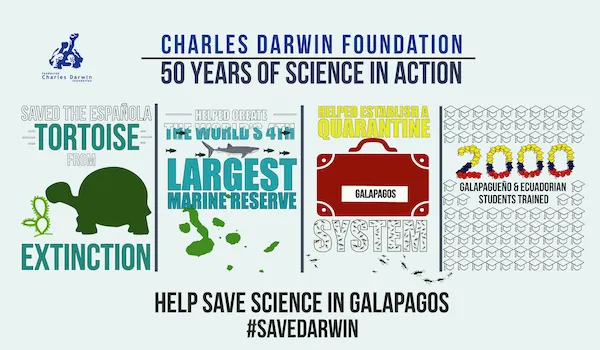
    Support Science and Conservation in the Galapagos and Triple Your Impact

    Dec 11, 2014 · About Galapagos

    A few weeks ago, the Charles Darwin Foundation (CDF) announced that it was facing a year-end budgetary crisis and that it need to raise $1 million to avoid the possibility of having to close its doors for good. Since then, there has been an outpouring of international support and things are looking up.
  • Travel Tales

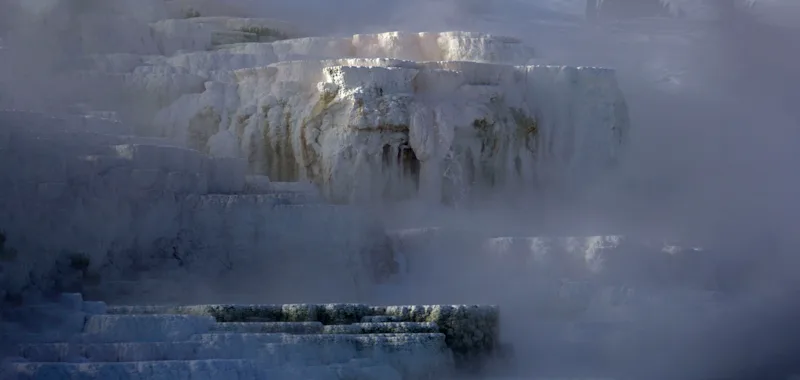
    Traveler Story: Lost in Time in Yellowstone National Park

    Dec 4, 2014 · Candice Gaukel Andrews

    There are a few rare places in the world where time as a linear construct just doesn’t seem to make much sense; places where the past, present and even the future seem to be all jumbled together, like pack ice piled up along a shoreline.

  • Conservation

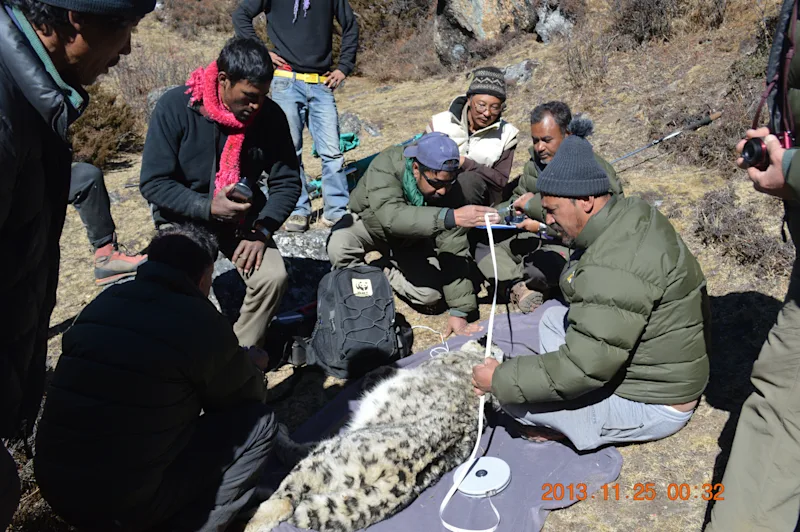
    Field guide: Searching for snow leopards

    Dec 3, 2014 · WWF

    Republished with permission from WWF-Canada. To see the original article, please go here. By Steph Morgan, WWF-Canada If you’re looking for a snow leopard, Dr. Rinjan Shrestha can tell you where to go. The question is: are you tough enough to get there?

  • Videos

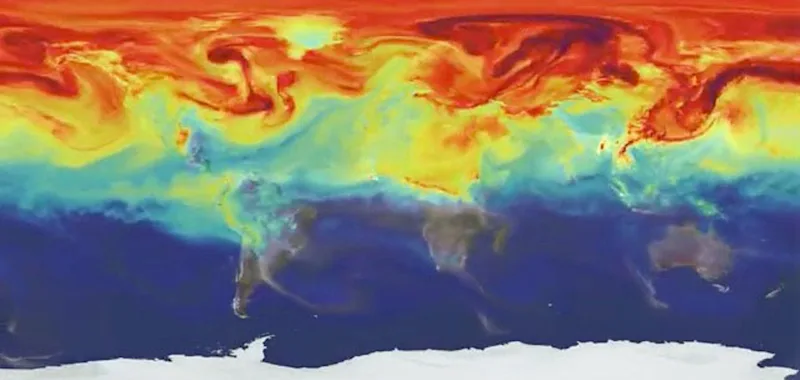
    Video: A New, High-Resolution Look at Atmospheric Carbon Dioxide

    Dec 2, 2014 · Candice Gaukel Andrews

    We Earthlings are lucky. While other planets in our solar system are either blistering hot or bitterly cold, the surface of Earth has relatively mild and stable temperatures. We get to enjoy these conditions because of the Earth’s atmosphere, the thin layer of gases that envelop and protect our planet.

  • Travel Tales

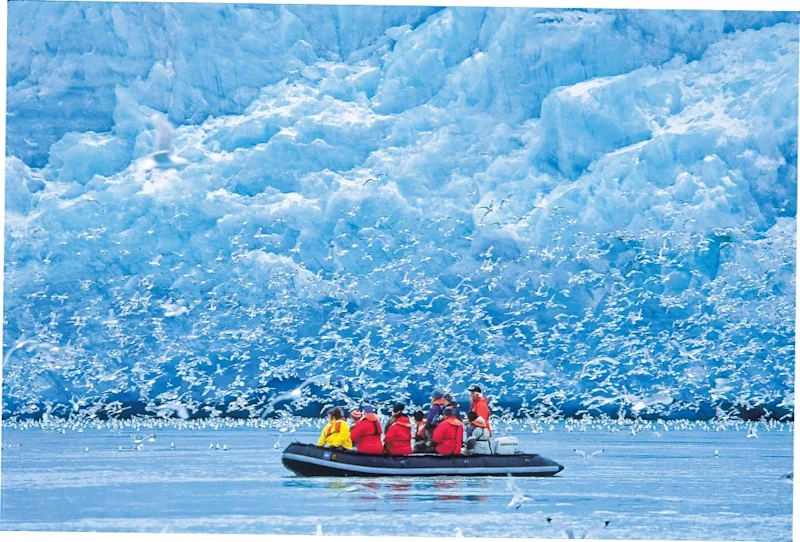
    Q-and-A: Going to Polar Extremes

    Nov 26, 2014 · WWF

    When WWF Partner in Conservation Elizabeth Bullitt retired, she decided she was going to see the world’s wild places. Her first trip was a journey to Botswana in Africa. She’s since taken two more trips with WWF and Natural Habitat Adventures—to Antarctica and, this past summer, to the Arctic.

  • News & More

    Seeding the Earth: When We Lose an Animal, We Lose a Forest

    Nov 25, 2014 · Candice Gaukel Andrews

    When we hear news about the declining numbers—and even near-extinction—of some of the world’s largest animals, such as tigers and rhinos, we usually think about that loss in terms of the planet’s diminishing animal biodiversity and what we can do to conserve what’s left of these species.

  • Travel Tales

    A Guide's Journey Through South Africa

    Nov 5, 2014 · Maddi Higgins

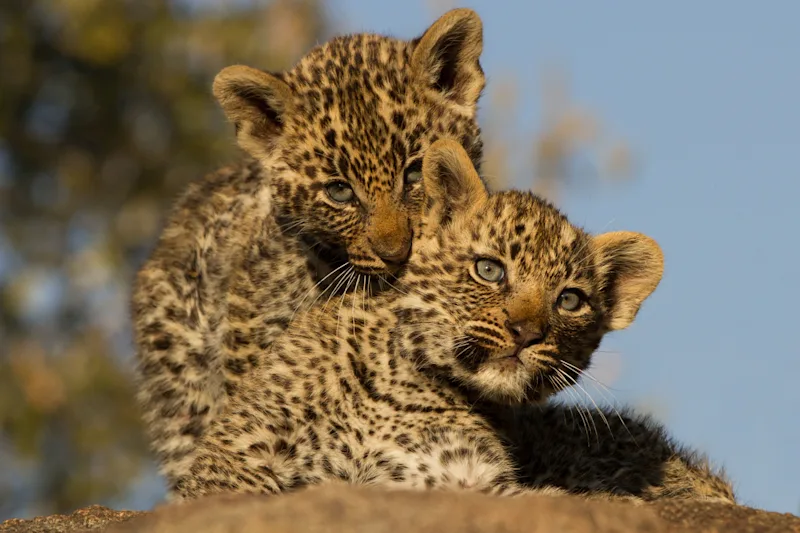
    “I love their eyes,” said Gavin Lautenbach, Natural Habitat Adventures guide. “To capture a photograph of any cat in the wild, it’s about their eyes. I love their power and their strength. I love their relationships with their cubs and with other cats. I love their speed, power, precision and playfulness.”

  • Nature & Wildlife

    Five Wildlife Reserves & Parks You Shouldn’t Miss

    Oct 29, 2014 · WWF

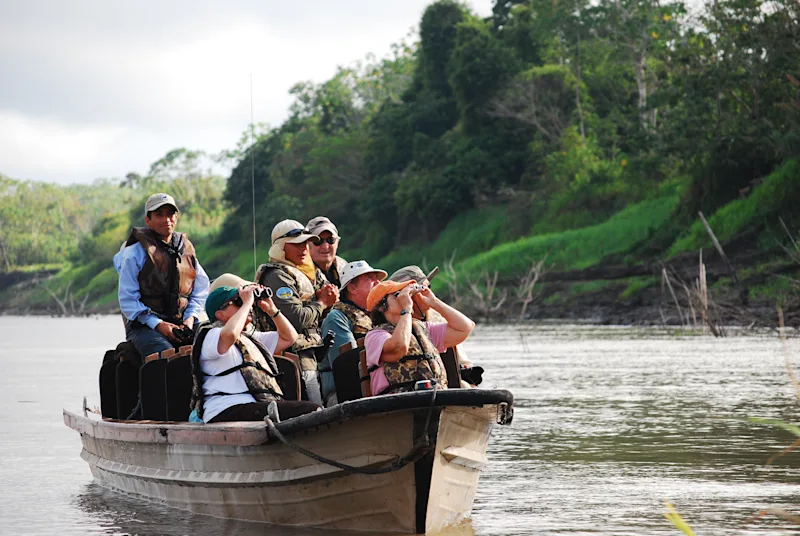
    Wildlife reserves offer safe haven to some of the planet’s most vulnerable species and give visitors the opportunity to view them responsibly. Here are five of our favorites: Pacaya Samiria Reserve, Peruvian Amazon Where: The headwaters of the Amazon in northern Peru.

  • Latin America

    10 Watery Wetland Facts about the Pantanal

    Oct 22, 2014 · Maddi Higgins

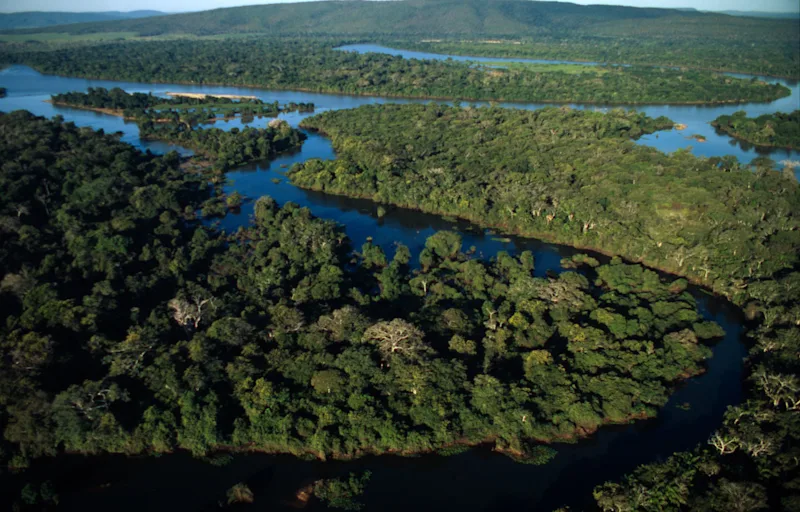
    The Pantanal is the largest wetland in South America and the largest wetland in the world that has not been substantially modified by humans. The sheer abundance of large birds, reptiles and mammals mark its importance as a huge reservoir of biodiversity.

  • Conservation

    Video: WWF Adventure Film Will Inspire You to Visit Namibia

    Oct 17, 2014 · Tania Curry

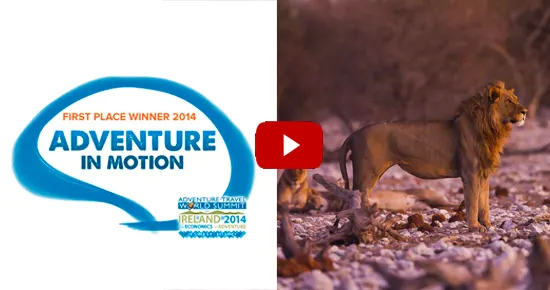
    WWF’s film, Pride of Namibia, was recently named the winner of the inaugural film competition, Adventure in Motion with Yahoo Travel. The film was chosen out of 150 film submissions and revealed at the 2014 Adventure Travel World Summit in Ireland.

  • Conservation

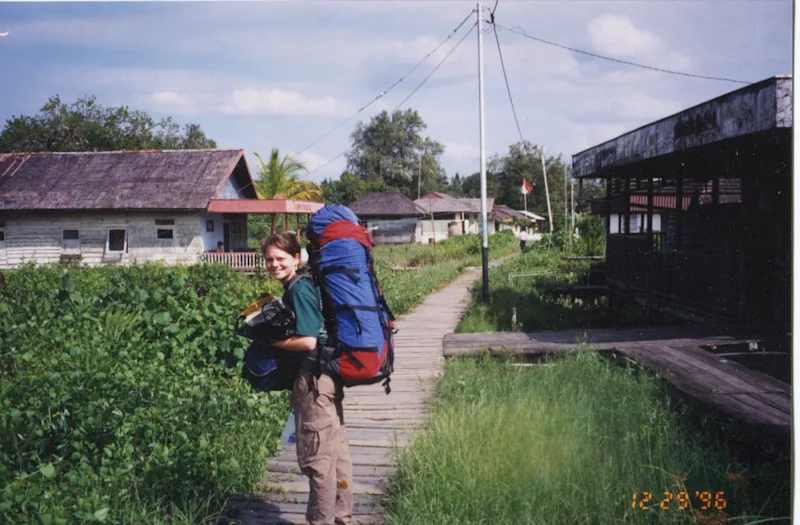
    Inspired by Indonesia: A Q-and-A with WWF's Cassie O'Connor

    Oct 15, 2014 · Maddi Higgins

    Cassie O’Connor’s commitment to conservation deepened after college when she co-managed a forestry station in Indonesia. The pristine Indonesian environment and rich culture have since brought her back repeatedly and have inspired her in various conservation roles she’s played over the years.