

African Safaris
Video: A Novel Look at South Africa
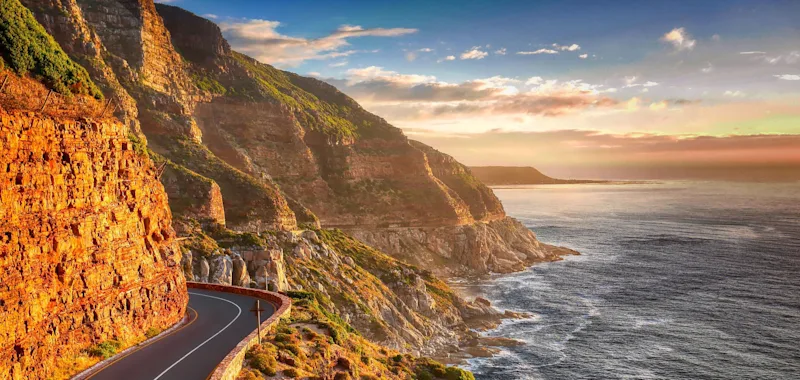
I have never been to Africa. Yet, I like to imagine being there: I picture myself on a safari in Botswana, Kenya, Namibia, South Africa or Tanzania.
African Safaris
I have never been to Africa. Yet, I like to imagine being there: I picture myself on a safari in Botswana, Kenya, Namibia, South Africa or Tanzania.
Nature & Wildlife
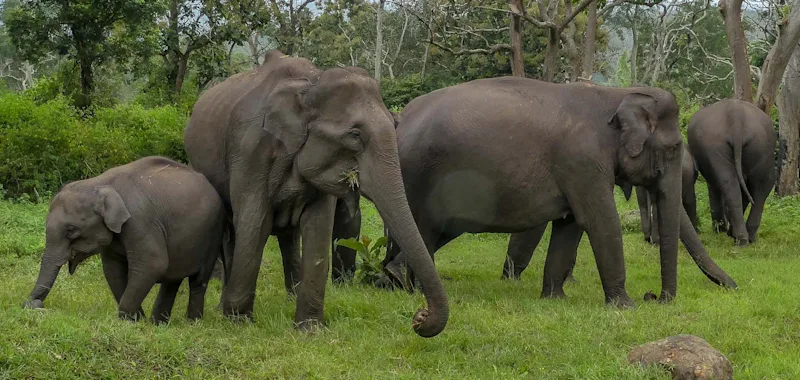
Anyone who has ever adopted a cat or dog into the family knows that each pet is distinctive. One of your dogs, for example, may have loved to spend all day at your side, while another may have enjoyed some daytime hours to chill out by herself on her favorite couch.
African Safaris
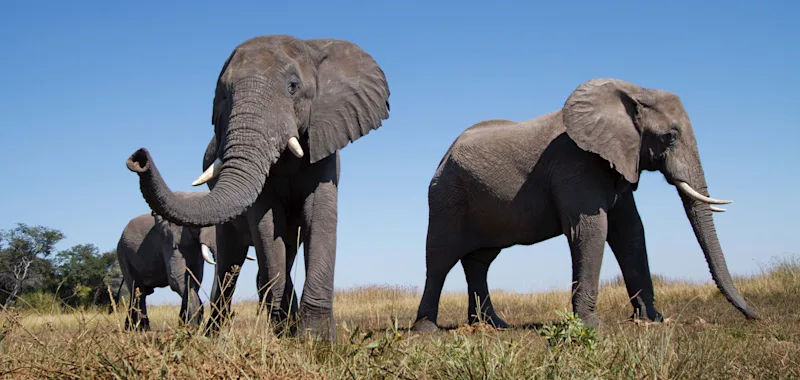
The African nation of Botswana is believed to have the world’s largest population of wild elephants. While the exact number is hard to pinpoint, estimates are that there are between 118,000 to 130,000.
African Safaris
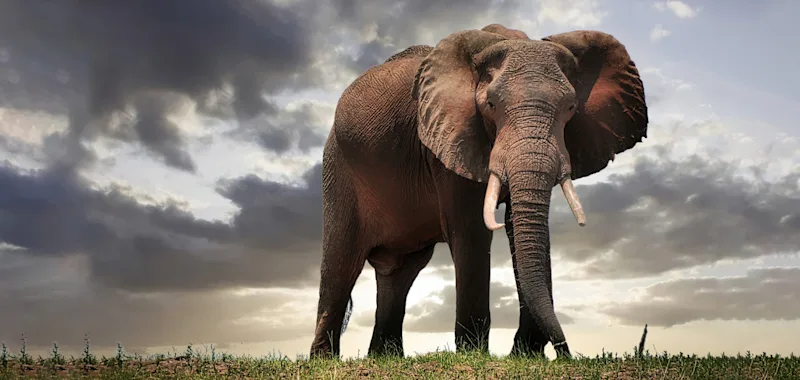
You probably already know the perilous position that the world’s elephants are currently negotiating. The International Union for Conservation of Nature (IUCN) has officially listed the Asian elephant as endangered and the African elephant as vulnerable.
Nature & Wildlife
Since 1970, the annual Earth Day has been a time for us to reflect on the beautiful planet, the third from the sun, that we call home.
Conservation
Spreading around the world at the speed of light, COVID-19 has now infected more than 2.5 million people and killed almost 177,000. Although the virus’s origins are still a little murky, it’s highly likely that it jumped from species to species, until it hit ours. Trading diseases with wildlife isn’t new.
African Safaris
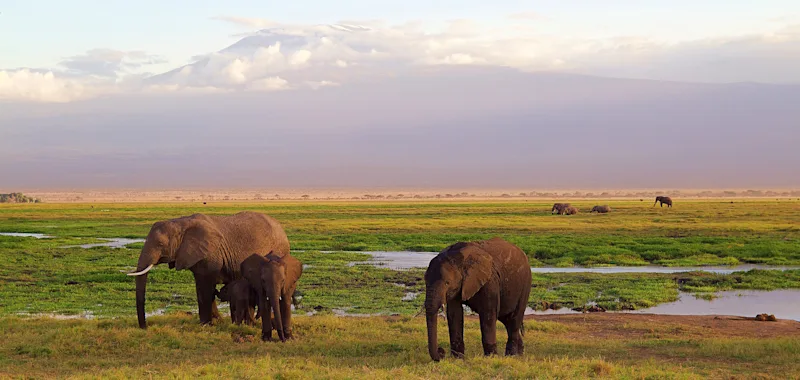
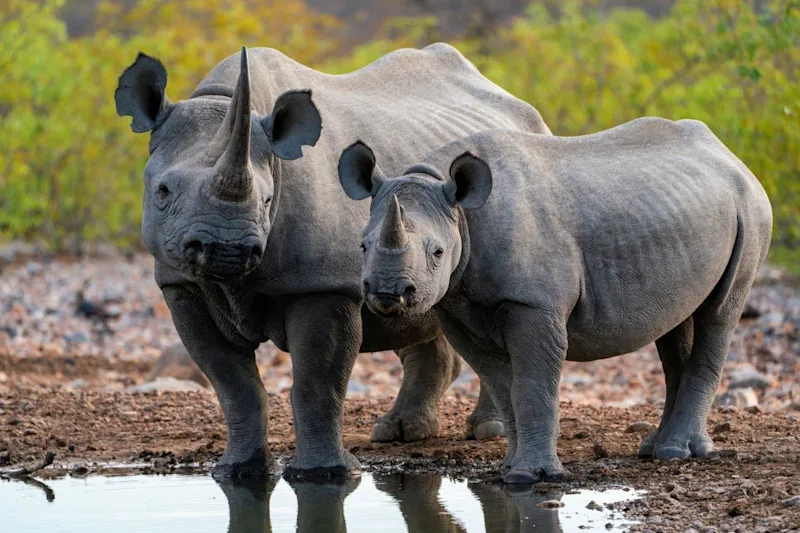
The term Africa’s Big Five means something quite different today than it did when it was coined in the late 1800s during the continent’s colonial period. Then, it referenced the animals—Cape buffalo (or African buffalo), elephants, leopards, lions and rhinoceroses—that trophy hunters considered to be the most challenging and dangerous to hunt on foot.
African Safaris
Namibia is otherworldly, a land of endless dunes and rare desert-adapted wildlife. Many long to travel to this remote region, and with good reason. Brad Josephs is a seasoned Expedition Leader and photography instructor with Natural Habitat Adventures.
Travel Tips
It’s the most wonderful time of the year. It’s the most stressful time of the year. No matter where you tend to fall on that spectrum during the week preceding the end-of-the-year holidays, almost all of us hope for a quiet and peaceful season. But how do you go about achieving that silence?
Nature & Wildlife
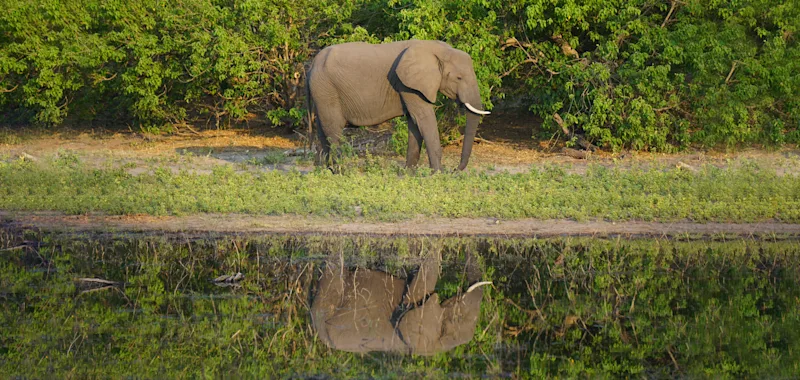
When you weigh anywhere from 1,000 to 14,000 pounds, you tend to leave huge, deep footprints wherever you walk. But more than just evidence of your passing through, those footprints, it turns out, can be habitats for dozens of other beings. Much like beavers, elephants have widely been recognized as “ecosystem engineers.”
African Safaris
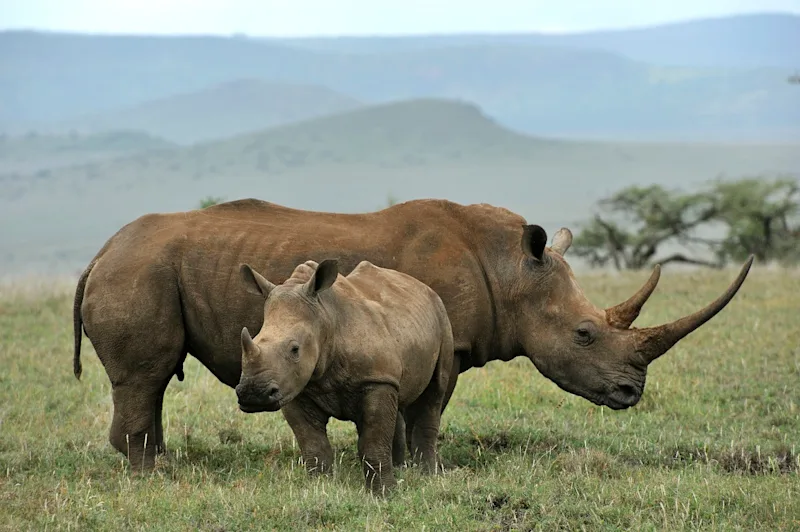
Recent research has revealed that wildlife tourism is five times more lucrative than poaching. In 2018, it was found that while the illegal wildlife trade accounted for 23 billion dollars of global GDP, ecotourism brought in 120.1 billion dollars.
Nature & Wildlife
Much like us, other animals have “languages” that they use in order to communicate with members of their own species. For example, prairie dogs have developed different “words” to describe various predators—barks, squeals and squeaks that contain different numbers of rhythmic chirps and frequency modulations to distinguish which one is currently after them.