Good Nature Travel Blog

  • Nature Photography

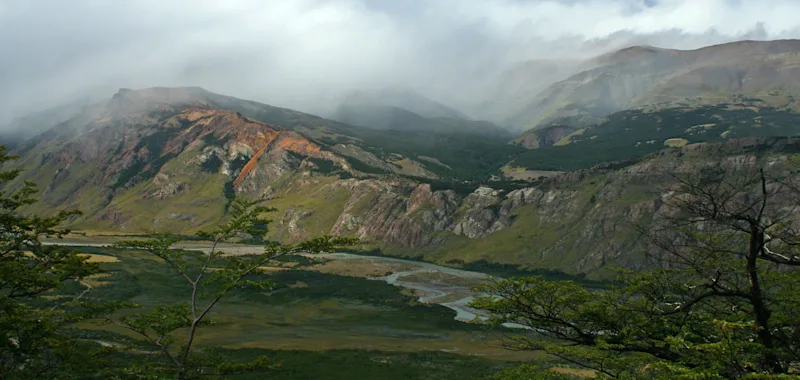
    Getting Down to the Bones in Patagonia: A Photo Diary

    Apr 1, 2025 · Candice Gaukel Andrews

    Bones are everywhere in Patagonia. They dry on the brown steppes and jut up from the desert’s gray floor. They protrude like blue spikes through the surface of lakes and bleach white on the ocean’s shore. And, right now, mine are shaking.
  • News & More

    Changing Nature Names

    Mar 4, 2025 · Candice Gaukel Andrews

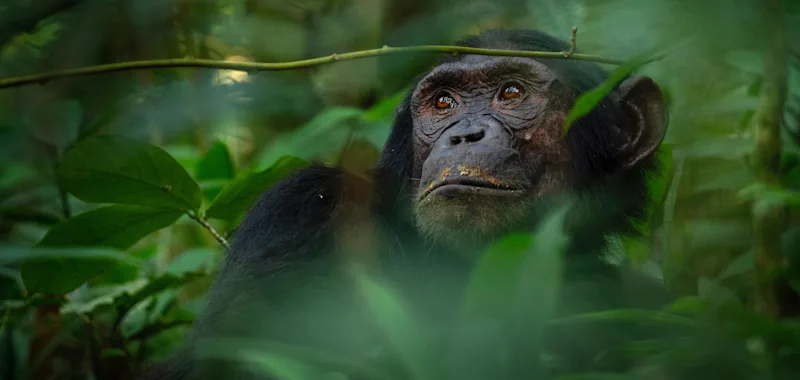
    What you call something imparts meaning. Names can invoke assumptions, connotations, stereotypes and influence how you perceive an animal or a place. A name can also make you feel connected to a more-than-human being or your heritage.

  • Nature & Wildlife

    Bird Eyes and Dark Skies

    Feb 18, 2025 · Candice Gaukel Andrews

    When we misuse or overuse artificial light at night, we create nighttime light pollution, which makes it harder to see the night sky and causes negative effects on wildlife and human health. For example, sea turtle hatchlings usually wait until night to emerge from their nests to reduce exposure to daytime predators.

  • Galapagos Islands

    Love Is in the Air: The Amazing Courtship Dance of the Waved Albatross (Video)

    Feb 11, 2025 · About Galapagos

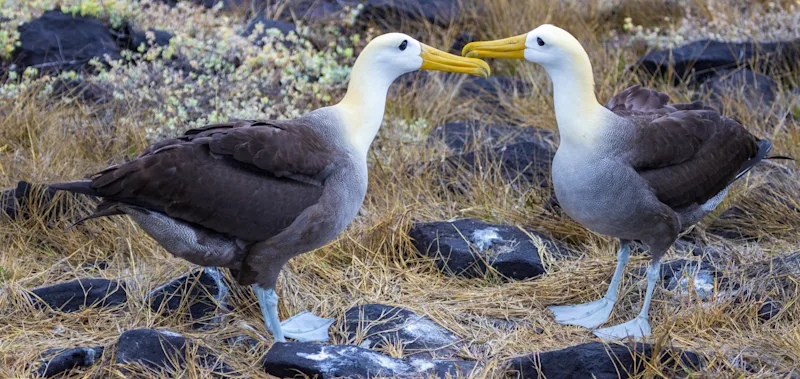
    Visit the Galapagos Island of Española in April and you may experience firsthand one of the most interesting and elaborate courtship rituals in the entire animal kingdom. Each spring, tens of thousands of waved albatrosses—nearly the entire worldwide population—return to Española to find mates and breed.

  • Conservation

    Social Media: Selfie Searches and Nature Successes

    Feb 4, 2025 · Candice Gaukel Andrews

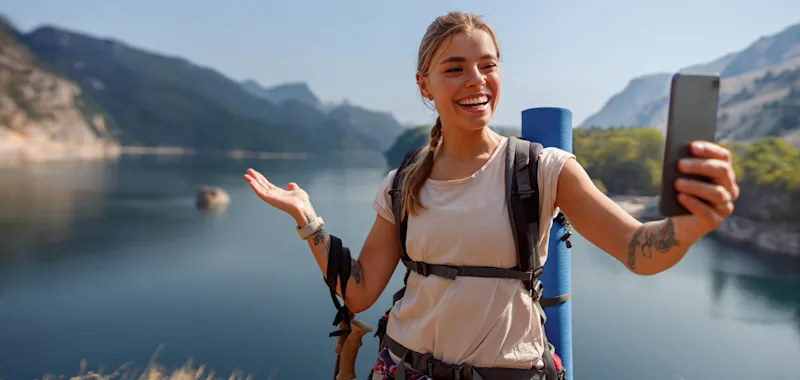
    The ubiquitous social media in our lives has its benefits, including allowing us to interact quickly with our loved ones, network with our colleagues and share information almost instantaneously.

  • Nature & Wildlife

    Deer, Reindeer and REM Sleep

    Dec 17, 2024 · Candice Gaukel Andrews

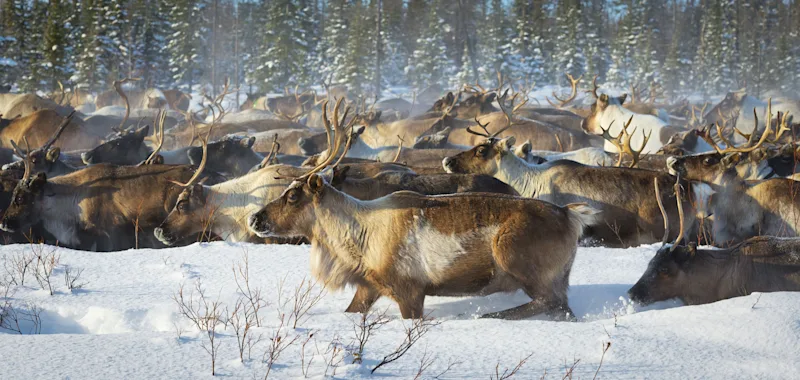
    At first glance, geese and reindeer (called “caribou” in North America) may not seem to have much in common. But there is a link: in some places, they share diets and habitats.

  • Nature & Wildlife

    Wild Turkey Chicks and Post-Flight Reindeer Feasts

    Nov 26, 2024 · Candice Gaukel Andrews

    Every year, without fail, Thanksgiving and Christmas seem to come right on top of each other. The four weeks between the two holidays fly by, with hardly enough time to savor one before the other is upon us. Magical, flying reindeer, in other words, quickly follow the turkey feast.

  • Nature & Wildlife

    The Social Behavior of Animals Changes with Age

    Nov 19, 2024 · Candice Gaukel Andrews

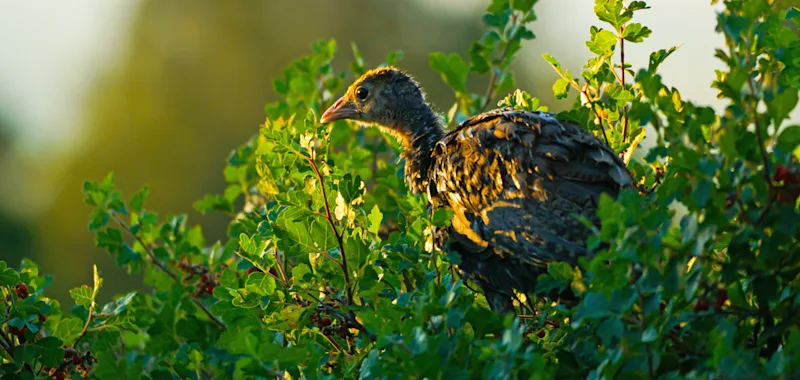
    If you look at almost any bird identification guide or mammal encyclopedia, you’ll typically see two to three images of any one animal: an adult female, an adult male and, perhaps, a juvenile.

  • Nature & Wildlife

    The Climate Change Complexities of Bird Migrations

    Nov 5, 2024 · Candice Gaukel Andrews

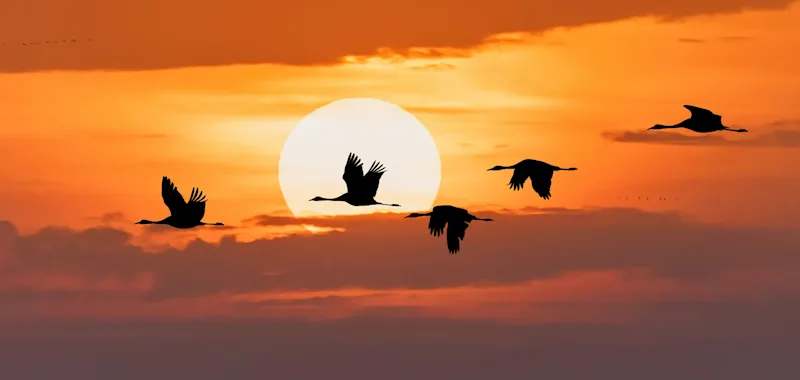
    The beginning of November always makes me think of the fall migrations of birds. In the United States, this annual ritual typically begins around August 1 and lasts through November 30; although, some birds may migrate earlier or later, and migration can start as early as mid-June and last until early January.

  • Nature & Wildlife

    Halloween 2024: Bat Nightclubs and Owl Haunts

    Oct 29, 2024 · Candice Gaukel Andrews

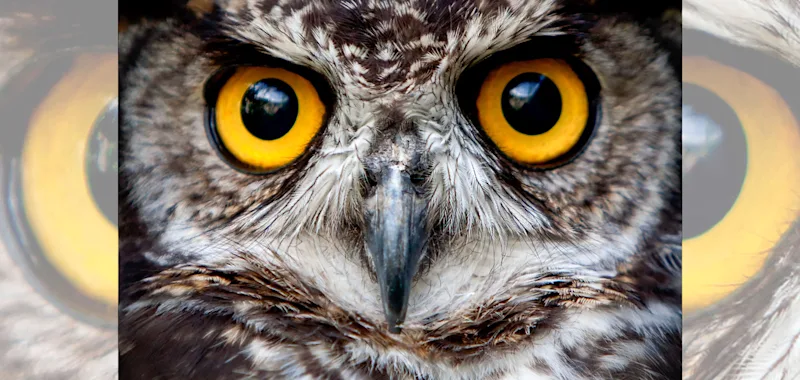
    With the end of October near and Halloween decorations almost everywhere you look, you might be wondering why certain animals are so often featured as we approach the spookiest holiday. Why do plastic owls decorate lawns, and fake bats hang from every nook and cranny?

  • Antarctica & Arctic

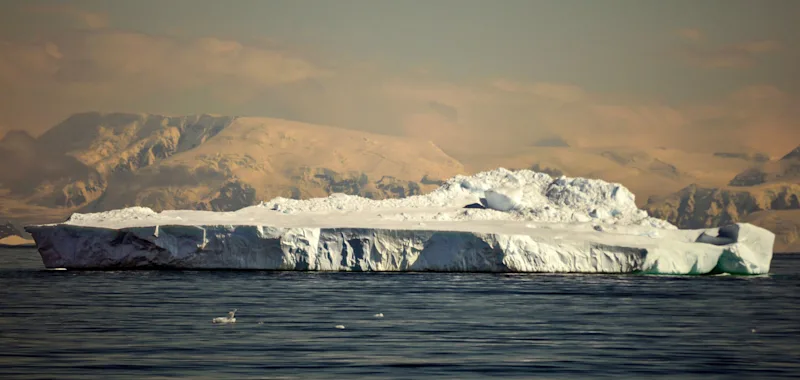
    The New, Surprising Reasons Travelers Visit Antarctica

    Aug 22, 2024 · Candice Gaukel Andrews

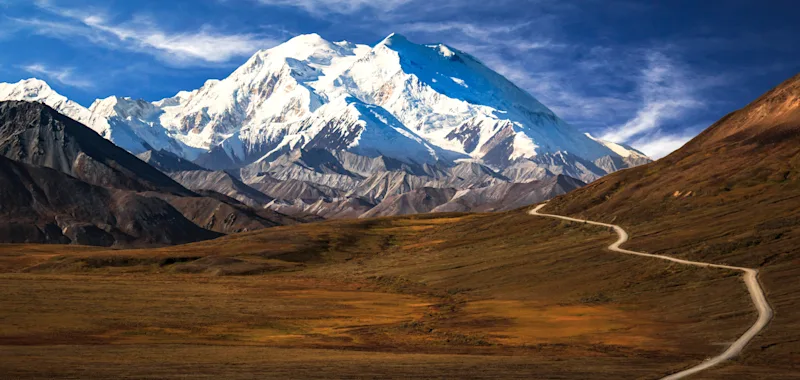
    American environmentalist, historian and novelist Wallace Stegner called our national parks “the best idea we ever had.” In 1983, he wrote: “National parks are … absolutely American, absolutely democratic, they reflect us at our best rather than our worst.”