Good Nature Travel Blog

  • Nature & Wildlife

    Why the Whole Family Will Love a Peru Adventure

    Jan 26, 2017 · Natural Habitat Adventures

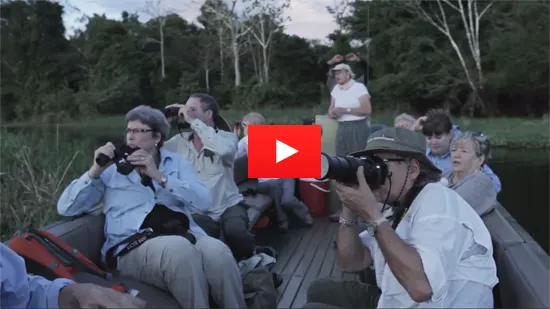
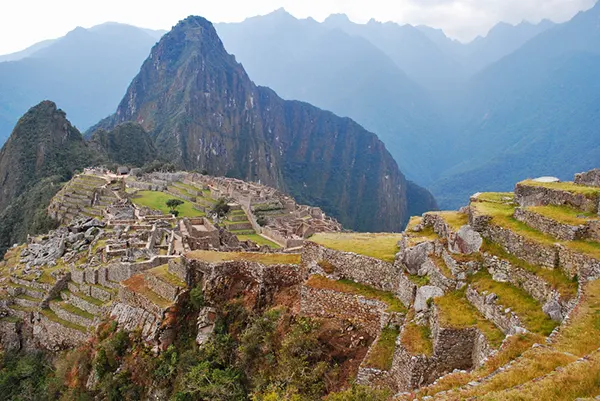
    Shrouded in mystery and myth, the Peruvian Andes is a place where stories live and traditions live even longer. It’s a land dotted with ancient ruins, where history is still being unearthed and new archaeological discoveries are always imminent.
  • Travel Tales

    10 things I learned in the Peruvian Amazon

    Jan 18, 2017 · WWF

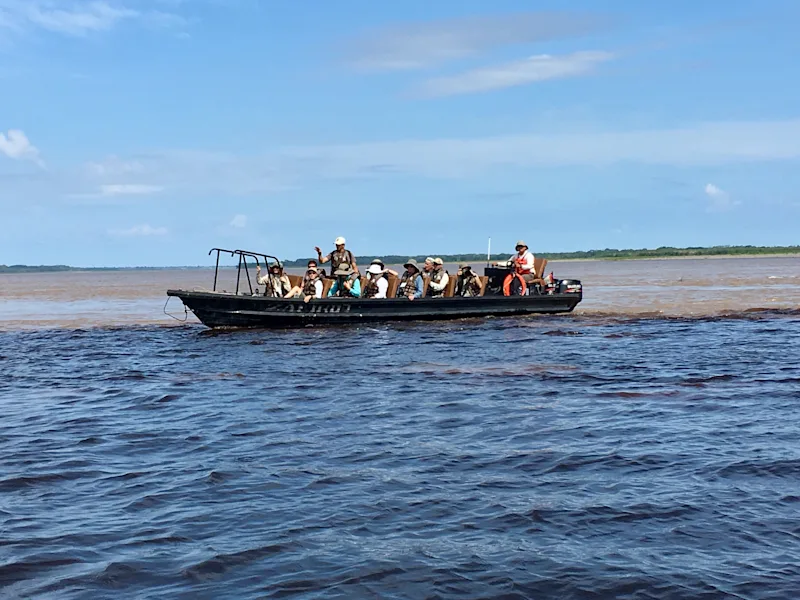
    A photo essay based on Natural Habitat Adventure’s Great Amazon River Cruise in Peru. #1: The next installment of Mad Max should be filmed in Iquitos Three-wheeled tuc-tucs and other rolling contraptions dominate Iquitos—the biggest city in the Peruvian Amazon, and our trip’s jumping off point.

  • Travel Tales

    Conservation and Traditional Medicine in the Amazon

    Dec 28, 2016 · WWF

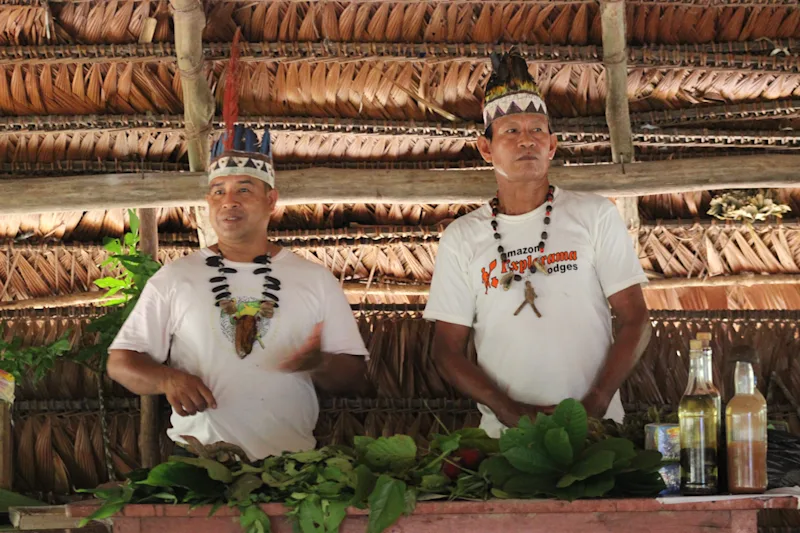
    I have a reputation when I travel of attracting the attention of venomous snakes and children. This can be both a curse and a blessing when working for WWF on forest conservation. Luckily, on Natural Habitat’s Great Amazon River Cruise the children were plentiful and the venomous snakes kept to themselves.

  • Latin America

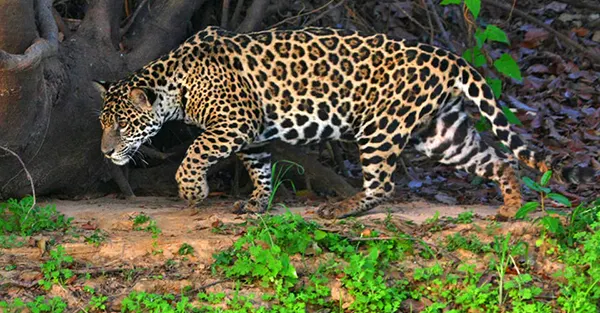
    How to Spot a Jaguar in the Peruvian Amazon

    Nov 14, 2016 · Natural Habitat Adventures

    Elusive, stealthy and stunningly beautiful creatures, jaguars are a sight that many people hope to see when they venture into the Amazon rain forest. The Amazon is one of the most probable places on this planet to spot a jaguar.

  • Travel Tales

    Further Up the Amazon River

    Jan 18, 2016 · Emily Deemer

    I’ve been to the Amazon before – several times, actually. I’ve led trips in the neo-tropics and been on more rain forest hikes than I could ever remember. So to say I thought I knew what to expect on our Great Amazon River Cruise is a bit of an understatement.

  • Conservation

    Twenty-Five Years in the Amazon

    Oct 28, 2015 · Tania Curry

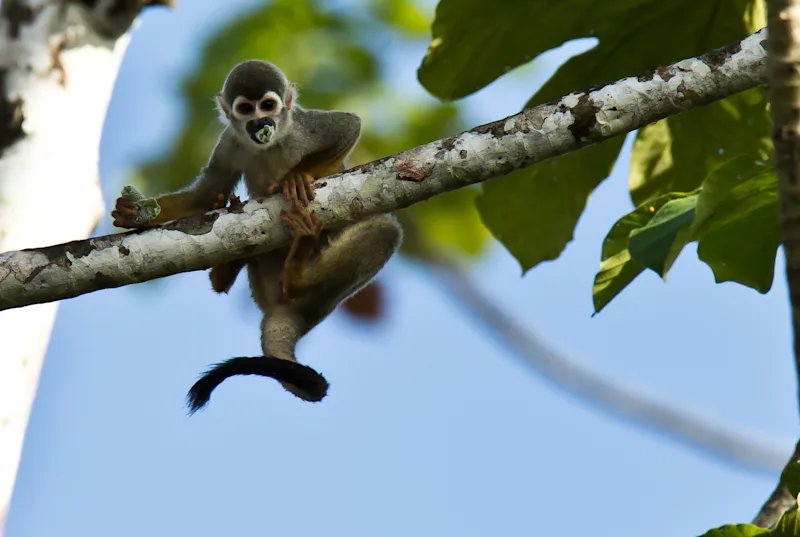
    WWF’s Meg Symington on saving the world’s largest rain forest I was only 21 years old in 1982 when I traveled to Manu National Park in the Peruvian Amazon to do field research on spider monkeys. I ended every day in awe of the forest.

  • Conservation

    Join Two WWF Conservation Experts in the Amazon

    Sep 23, 2015 · Tania Curry

    For 40 years WWF has been working in the Amazon, a biodiverse and ecologically important rain forest that produces more than 90 billion metric tons of carbon and also houses more than 30 million people and contains one in ten known species on Earth. It’s importance cannot be over stressed.

  • Conservation

    Searching for High Life along the Amazon River

    Jun 3, 2015 · Tania Curry

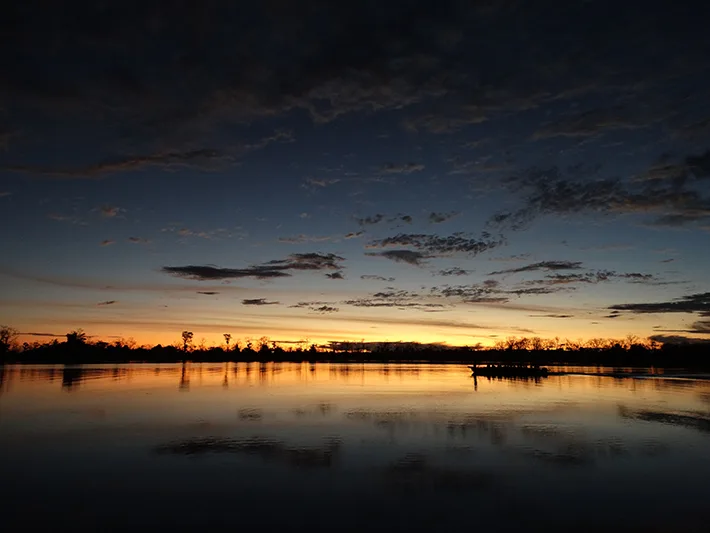
    Life in the Amazon flows like café con leche: creamy and smooth, masking the electric life underneath. The Amazon River is a cup that you want to share with a friend. The caffeinated, energetic Amazon River floated our boat away from Iquitos, Peru and into the Pacaya-Samiria Reserve.

  • Conservation

    Community Based Tourism in Action at Napo Wildlife Center in the Amazon

    May 4, 2015 · Natural Habitat Adventures

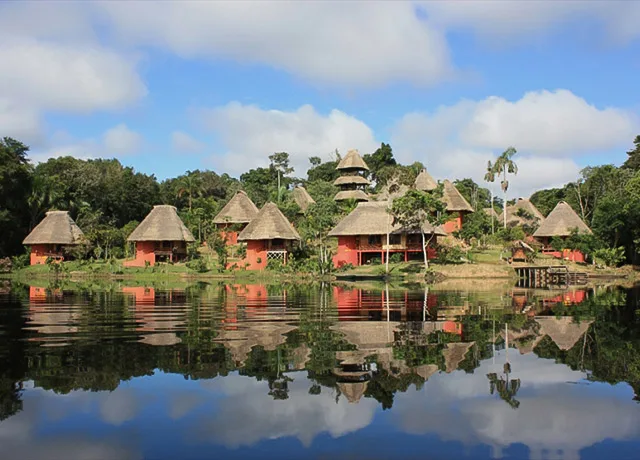
    This guest post is brought to us by Mandy Scott, Office Manager at Natural Habitat Adventures. Nat Hab’s Amazon Lodge extension is offered to our guests visiting the Galapagos. This past spring I had the opportunity to head deep into the Ecuadorian Rain Forest to visit Napo Wildlife Center.

  • Nature Photography

    Top Shot: Amazon River Dolphin

    Sep 10, 2014 · Tania Curry

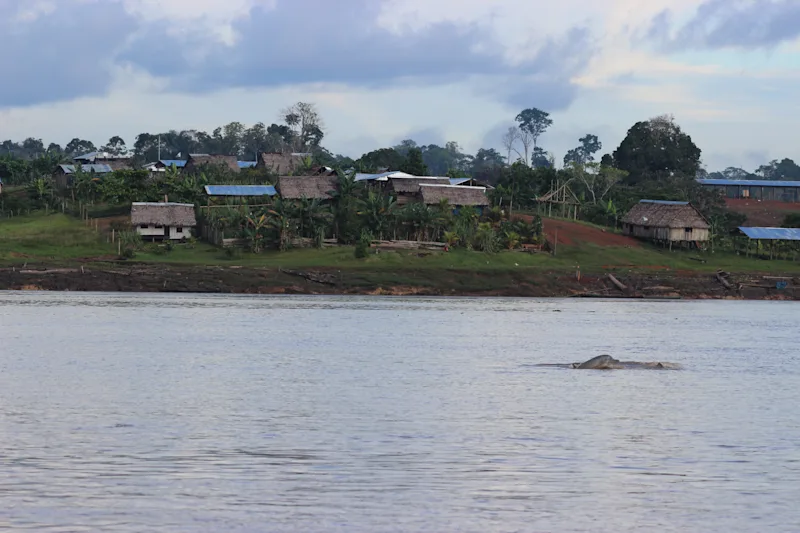
    The Amazon river dolphin isn’t the easier creature to photograph, especially in the murky, brown waters of the Amazon. When our guide spotted them as we glided by the village of Requena along the Amazon river, I began to snap photos in the general vicinity where they were surfacing.

  • Videos

    Video: A 680 Mile Journey Through the Amazon

    Aug 22, 2014 · WWF

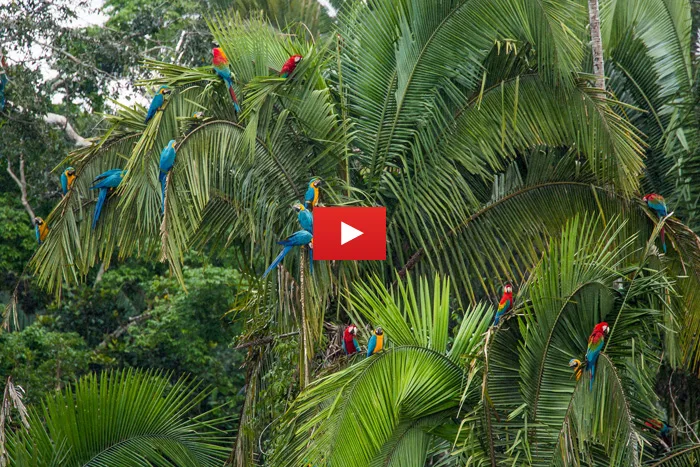
    What does it feel like to travel over 600 miles through the Amazon? The world’s largest rain forest and its rivers comprise a complex realm where even the teeniest insect, seemingly invasive vine and inhibited bird all serve important roles.