Good Nature Travel Blog

  • Conservation

    Most of Us Support the Endangered Species Act. So Why Doesn’t Congress?

    Oct 20, 2015 · Candice Gaukel Andrews

    Just a few months ago, in summer 2015, there were hopeful headlines for the Endangered Species Act (ESA). A new poll had been released that showed that nine out of every 10 American voters supported it. But another recent survey flies in the face of this good news.
  • Videos

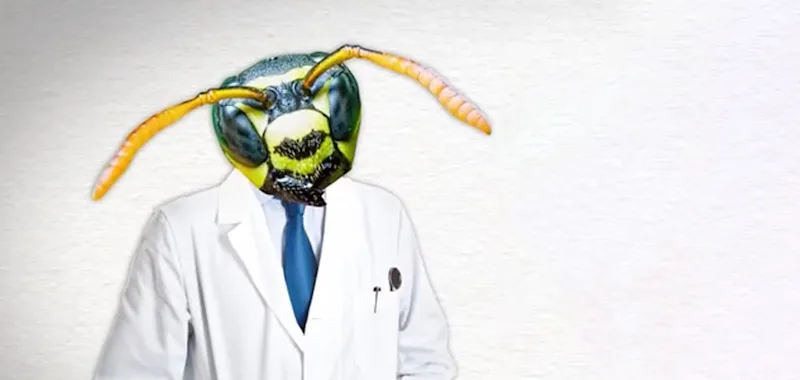
    Halloween Video: Nature’s Zombies

    Oct 15, 2015 · Candice Gaukel Andrews

    At this time of year, the minds of Hollywood TV and film producers aren’t the only ones full of thoughts of zombies, those rather stiff and stumbling, hungry and insatiable beings who want to eat the rest of us. Some creatures found in nature, too, have had their brains transformed, turning them into real-life zombies.

  • News & More

    As Earth’s Superpredators, Can We Change How We Use Wildlife?

    Oct 13, 2015 · Candice Gaukel Andrews

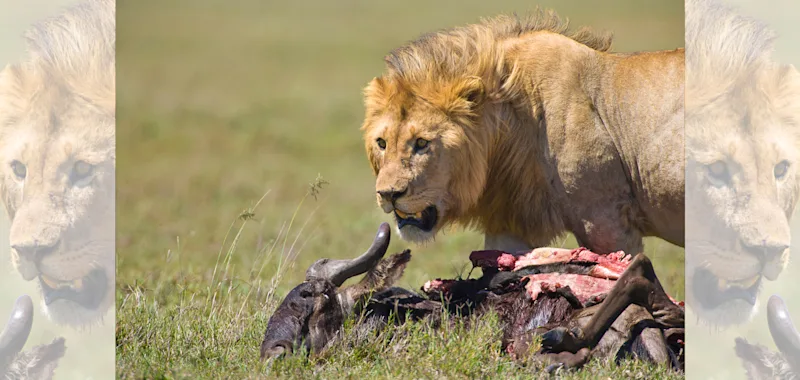
    Would you mind living next door to a top predator? It’s a question I’ve asked you before. It seems that when it comes to bears, lions or wolves, we humans, as a whole, can’t get rid of our four-footed, predatory neighbors fast enough.

  • Videos

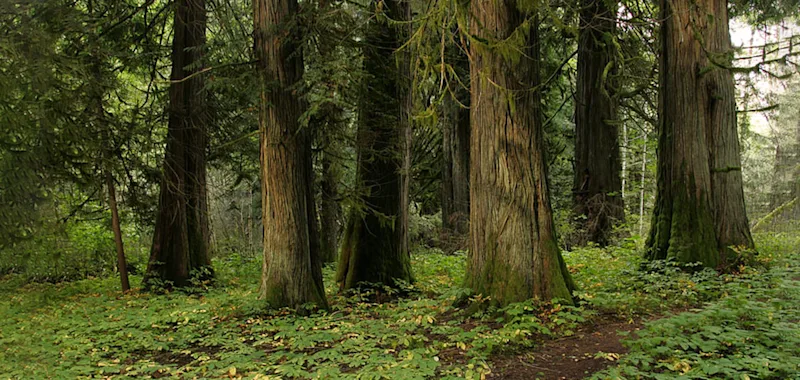
    Video: Trees Have Their Own Internet, and It Works Like Ours

    Oct 1, 2015 · Candice Gaukel Andrews

    I admit I may be what some would consider a little too woo-woo, “out there” when it comes to trees. I’ve always had a special affinity for them; I’ve even written whole books about them.

  • Conservation

    Wear It Wild: Because Halloween is fun, but extinction is scary

    Sep 30, 2015 · Tania Curry

    WWF is launching a FUNdraiser in time for Halloween, with funds supporting wildlife and nature. If you’ve already started looking for costume ideas (or you like to procrastinate), then look no further. Participating is fun and easy.

  • News & More

    Increasing Bad Behavior around Wildlife: Are More Regulations Needed?

    Sep 29, 2015 · Candice Gaukel Andrews

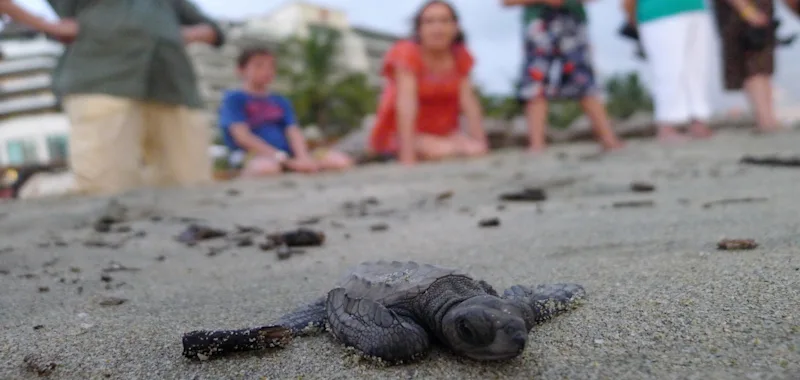
    Witnessing any of nature’s great spectacles—such as the wildebeest migration of Africa, the wintering grounds of millions of monarch butterflies in Mexico or thousands of sea turtles coming ashore from the Pacific Ocean to lay eggs—is usually described by onlookers as nothing short of “awe-inspiring.”

  • Conservation

    Join Two WWF Conservation Experts in the Amazon

    Sep 23, 2015 · Tania Curry

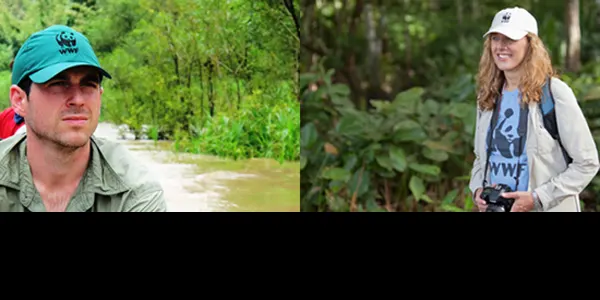
    For 40 years WWF has been working in the Amazon, a biodiverse and ecologically important rain forest that produces more than 90 billion metric tons of carbon and also houses more than 30 million people and contains one in ten known species on Earth. It’s importance cannot be over stressed.

  • News & More

    South Korean Forest Is Cut Down for the Olympics: Is Restoration Possible?

    Sep 22, 2015 · Candice Gaukel Andrews

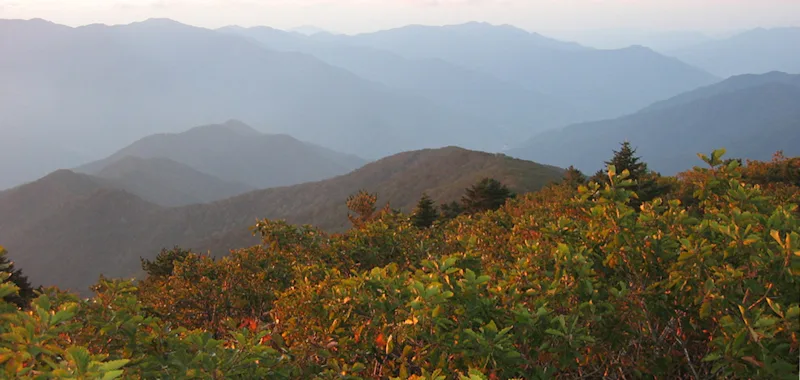
    Most of us see the benefits of the world’s Olympic Games: they are some of the very few times nations come together to showcase their most beautiful landscapes and best athletes. For the hosting cities and countries, the hope is that the events will result in economic gains through tourism, marketing and other means.

  • Videos

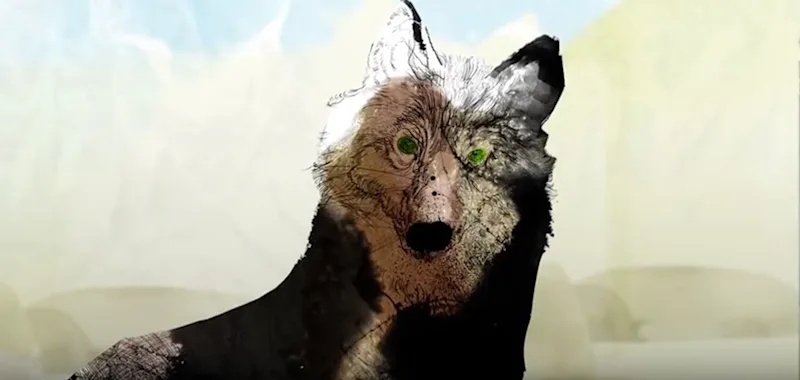
    Video: 20 Years after the Return of the Wolf

    Sep 17, 2015 · Candice Gaukel Andrews

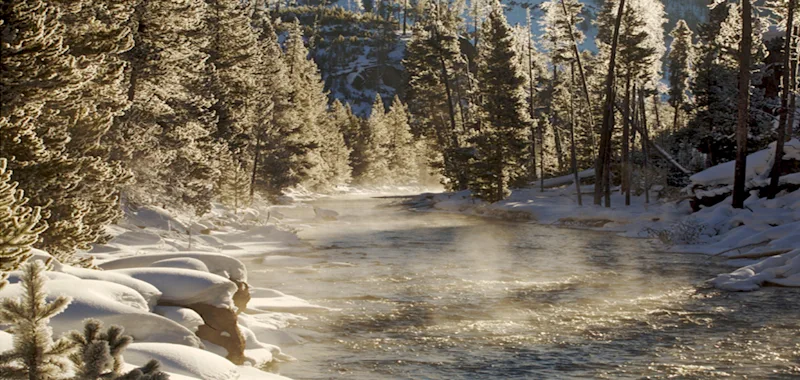
    This year, 2015, marks the 20th anniversary of the wolf’s return to Yellowstone National Park. On January 12, 1995, eight gray wolves from Alberta, Canada, were reintroduced into the park and became the first to live there since they were extirpated in 1926—an absence of 69 years.

  • News & More

    Is There a New State Trend to Ban Citizen Science?

    Sep 1, 2015 · Candice Gaukel Andrews

    Citizen science has become an important tool for scientific research. Now, as funds for federal agencies and state natural resources departments around the country shrink, using ordinary folks to gather and record wildlife and environmental observations stretch limited research dollars by getting reams of data for free. NASA relies on amateur astronomers for asteroid observations.