Good Nature Travel Blog

3402 stories

  • Canada & the North

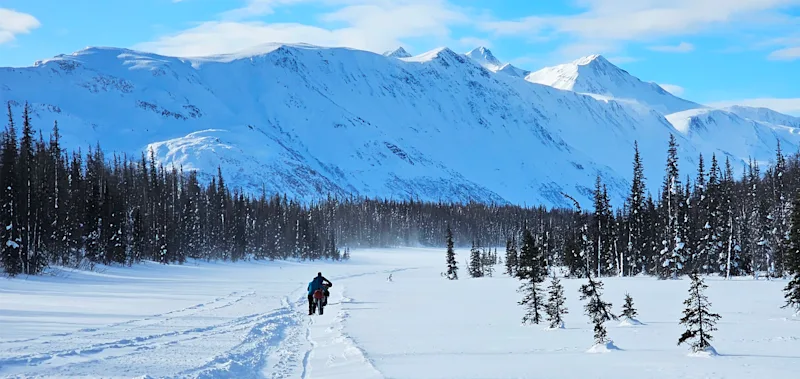
    Nat Hab’s Mayella Krause Bikes the Iditarod: Tackling the World’s Toughest Race, Part 1

    May 15, 2024 · Natural Habitat Adventures

    I’ve completed the Iditarod Trail Invitational 350 (ITI). It was the hardest challenge I’ve ever undertaken, and I’m incredibly proud of pushing through so much pain and adversity, including a torn rotator cuff and bicep tendon, severe saddle sores caused by Velocio’s poor quality control, and significant dehydration due to a catastrophic water bladder failure.

  • African Safaris

    A Newbie Birder’s Bucket List

    May 15, 2024 · Rebecca Self

    My fledgling interest in birding started on a business trip in East Africa, which is not exactly what you expect when you’re catching a cab in a suit on your way to a meeting in a glass skyscraper.

  • Conservation

    Braiding Science, Kinship With Nature, and Communal Well-Being

    May 14, 2024 · Candice Gaukel Andrews

    Drawing on her life as an Indigenous scientist, author Robin Wall Kimmerer in her now iconic 2015 book Braiding Sweetgrass: Indigenous Wisdom, Scientific Knowledge and the Teachings of Plants intertwines the knowledge she gained during her Potawatomi upbringing with the education she later received as a scientist—specifically, a plant biologist.

  • Conservation

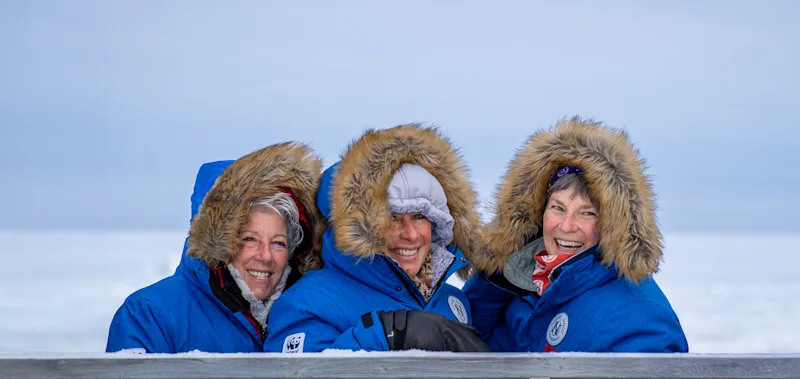
    Discover Nat Hab’s Women’s Journeys

    May 12, 2024 · Megan Brief

    Did you know the average U.S. traveler is a 47-year-old woman? Women have an outsize influence in the travel industry: They represent 57.1% of all travelers in the United States, make nearly 85% of all travel decisions and make up the lion’s share of the global tourism workforce at 54%.

  • Asia & The Pacific

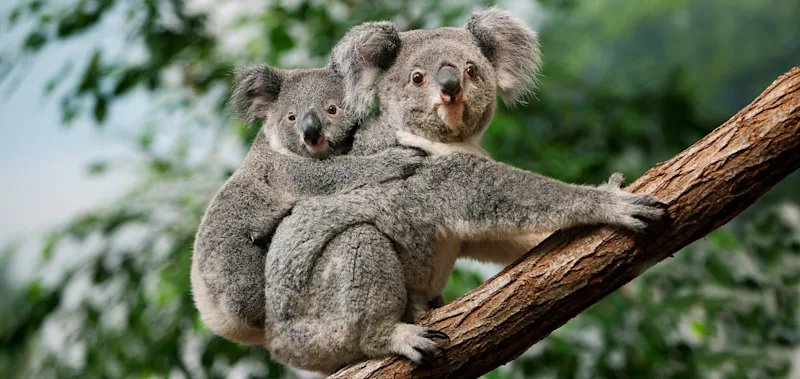
    Happy Mother’s Day! Spotlight on Marsupial Mothers

    May 8, 2024 · Samantha Miller

    This Mother’s Day, celebrate the marsupial mothers of the animal kingdom! Motherhood for marsupials doesn’t look like making school lunches or warm cuddles, but these species have unique behaviors to take care of their young. There are more than 330 species of marsupials. Around two-thirds of them live in Australia.

  • Nature & Wildlife

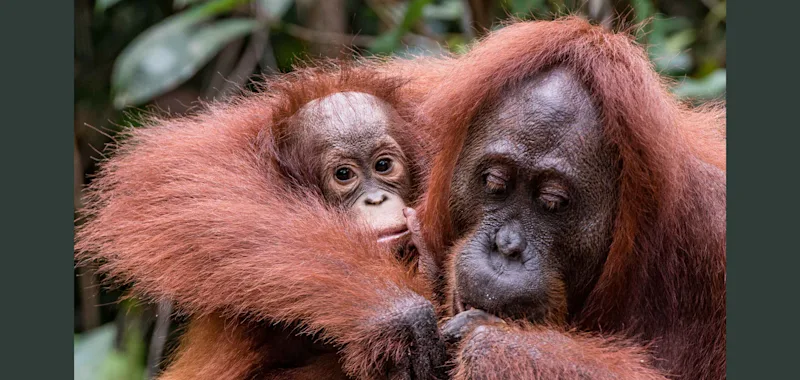
    A Myriad of Mothering Styles from the Animal Kingdom

    May 7, 2024 · Candice Gaukel Andrews

    When you think of your mother, a warm memory probably pops up of her being there when you needed a hug, lending an ear when you wanted to talk, or standing up for you when you required a hero.

  • Asia & The Pacific

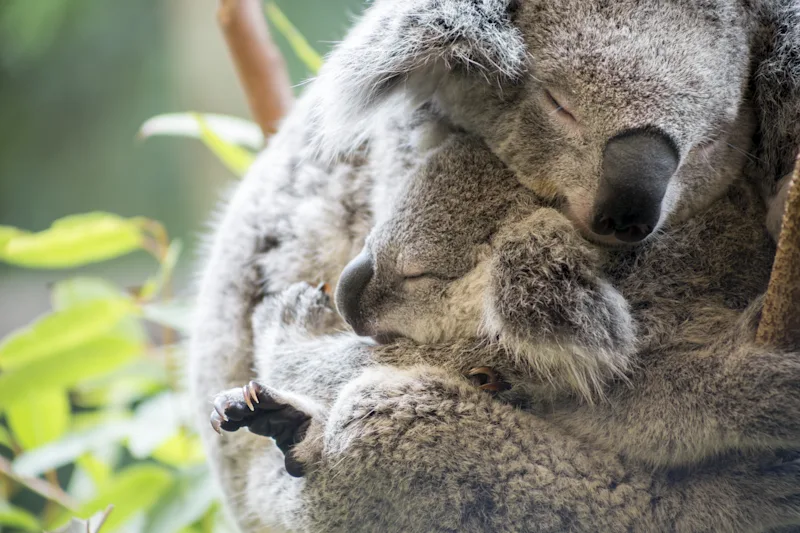
    Four Ways to Celebrate Wild Koala Day

    May 2, 2024 · Lavanya Sunkara

    Koalas, often called koala bears, are not bears, but marsupials. These iconic Australian mammals, found in the southeastern and eastern parts of the country, are a must-see for all visitors. But despite their popularity and cuteness factor, these arboreal (tree-dwelling) creatures are currently at risk.

  • Nature & Wildlife

    Needing Natural Habitats

    Apr 30, 2024 · Candice Gaukel Andrews

    We human beings have certain basic needs. We must have air, food, water and shelter to survive, according to NASA. If any one of these basic needs is not met, then humans cannot persist. I think the same applies to more-than-human animals, as well.

  • Nature & Wildlife

    A New Measure for Weather: “Outdoor Days”

    Apr 23, 2024 · Candice Gaukel Andrews

    It’s just a little more than a month into spring, and I’m already wondering if the summer of 2024 will set a new heat record just as the summer of 2023 did. But, this time, more than setting records and reading dire statistics, I’m thinking about how those temperatures will truly feel to us.

  • News & More

    Bald Eagle Sightings Soar Across North America

    Apr 21, 2024 · Rebecca Self

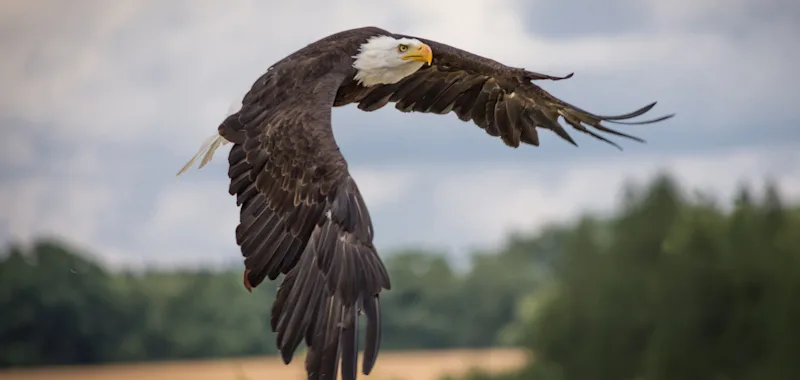
    On March 7, 2024, the Toronto and Region Conservation Authority announced: We’re thrilled to celebrate the arrival of Toronto’s first-ever recorded bald eagle nest—a historic moment for our local ecosystem! Just last year, eagles were removed from the list of at-risk species in Ontario, showcasing a remarkable comeback from the brink of extinction.