Good Nature Travel Blog

  • Conservation

    The Galápagos: Conservation in Action

    Jul 13, 2016 · Karl Egloff

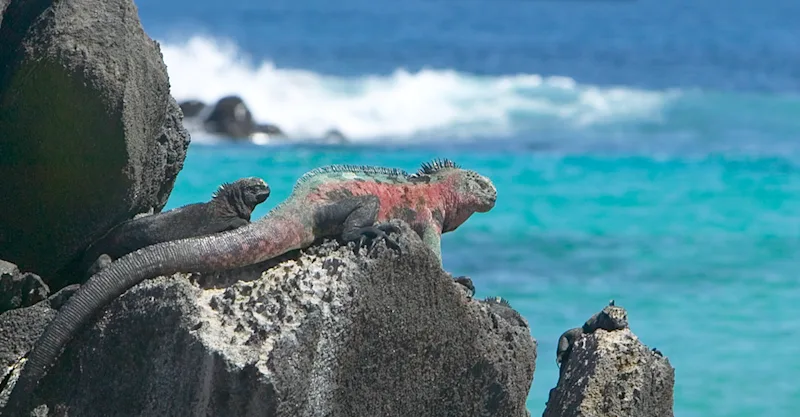
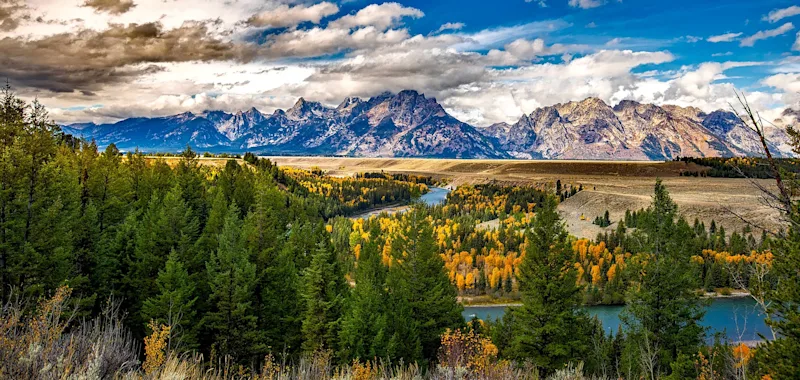
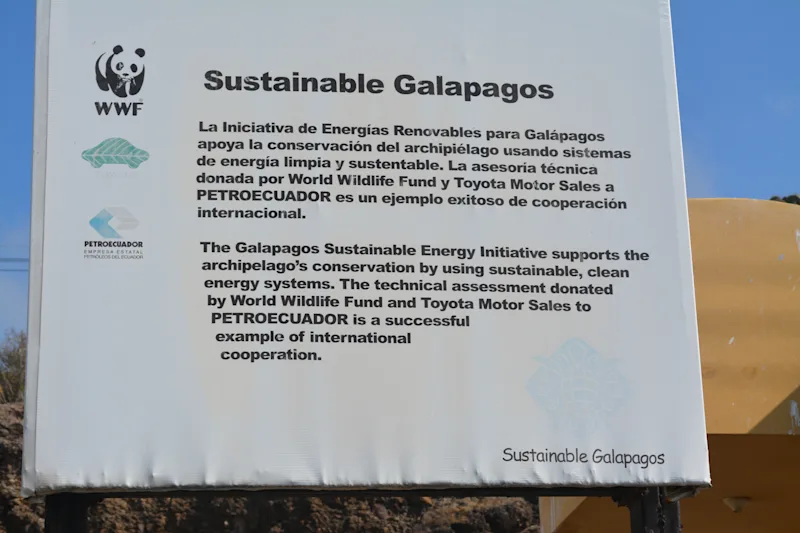
    “The natural history of these islands is eminently curious, and well deserves attention,” wrote Charles Darwin. As a WWF supporter, staff member, and recent NatHab traveler, one of the things I found most impressive about the Galápagos was WWF’s long relationship and history with the islands.
  • News & More

    Dead Bees on Washington: Does the Environmental “Now” Ever Come?

    Jul 5, 2016 · Candice Gaukel Andrews

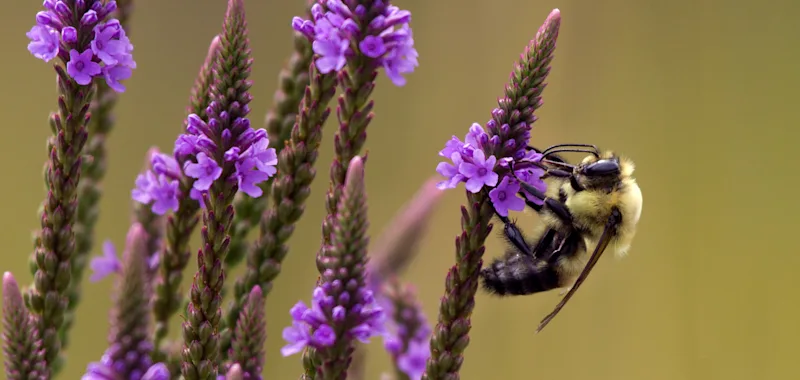
    Just two weeks ago, June 20-26, 2016, we celebrated the annual National Pollinator Week—or you may have observed it if you knew it was National Pollinator Week. Most likely, you didn’t. Some beekeepers would like to change that. One, in particular.

  • News & More

    First Twin Giant Pandas of 2016 Born in Chengdu

    Jul 4, 2016 · Julie Waggoner

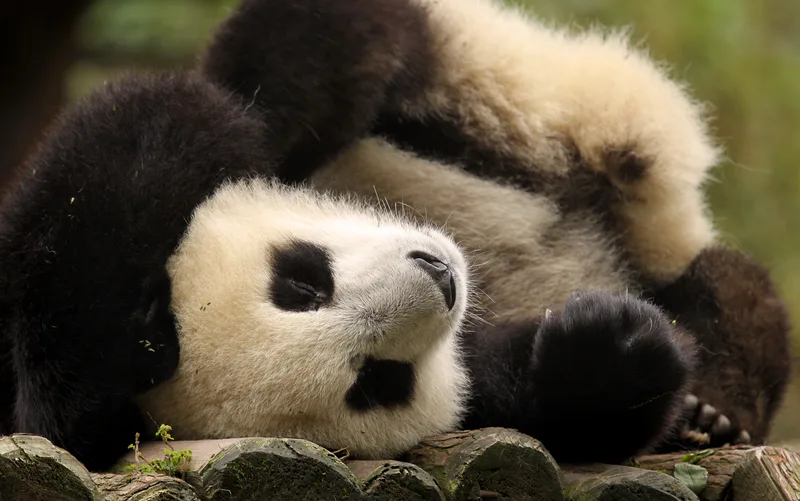
    On June 20, China welcomed the first pair of panda twins of 2016 into the world. Their mother is a six-year-old giant panda named Ya Li, and the twins are her first offspring. The healthy female cubs were born at the Chengdu Research Base of Giant Panda Breeding in Sichuan province in southern China.

  • Nature & Wildlife

    Nature is worth protecting

    Jun 29, 2016 · WWF

    Remember when you were young? Did you play outside? Did you explore? World Wildlife Fund and Natural Habitat Adventures have teamed up with Maser Films, Pongo Media and King Tide Motion Pictures to ask these and many other questions we tend to forget as time and life’s responsibilities loom over us.

  • Conservation

    Bhutan: The World’s First Carbon-negative Country

    Jun 6, 2016 · Emily Deemer

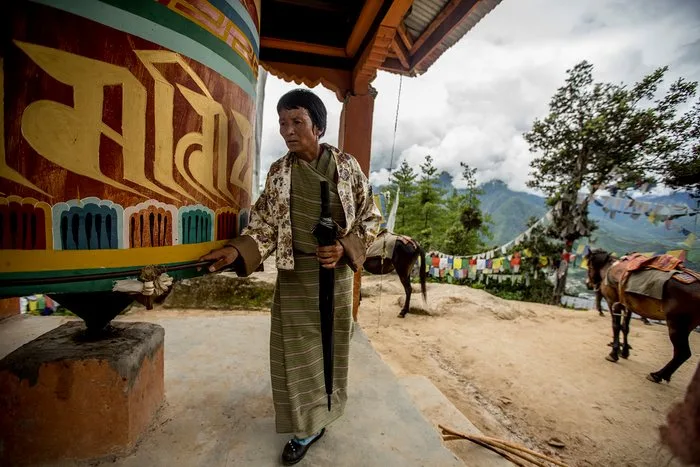
    Bhutan is famously known for replacing the traditional economic concept of GDP (gross domestic product) with the Gross National Happiness index, an objective measure of the well being of its environment, communities, culture, health and wisdom, among others.

  • Videos

    Videos: National Parks Embrace Zero Waste

    May 26, 2016 · Candice Gaukel Andrews

    Simply defined, zero waste is a goal where all discarded materials become resources for others to use. It eliminates all discharges to air, land or water that are a threat to animal, human, plant or planetary health. All products are reused, repaired or recycled back into nature or the marketplace.