

News & More
Environmental Activism: Arctic Drilling and Cecil, the Lion
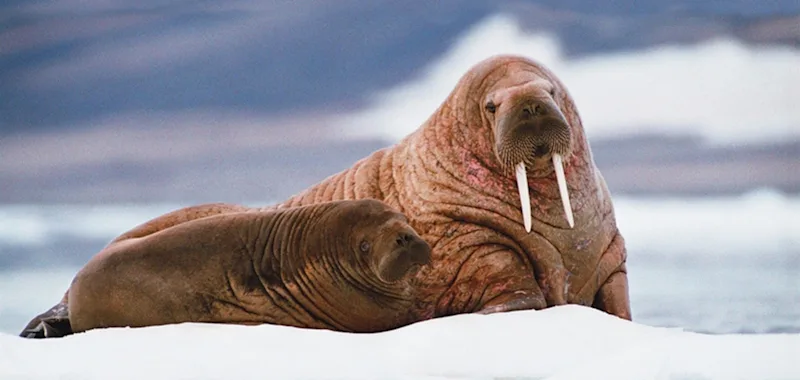
On July 25, 2015, the MSV Fennica, a Royal Dutch Shell icebreaker which was carrying oil-drilling equipment to the Arctic, arrived in Portland, Oregon, for repairs.
News & More
On July 25, 2015, the MSV Fennica, a Royal Dutch Shell icebreaker which was carrying oil-drilling equipment to the Arctic, arrived in Portland, Oregon, for repairs.
African Safaris
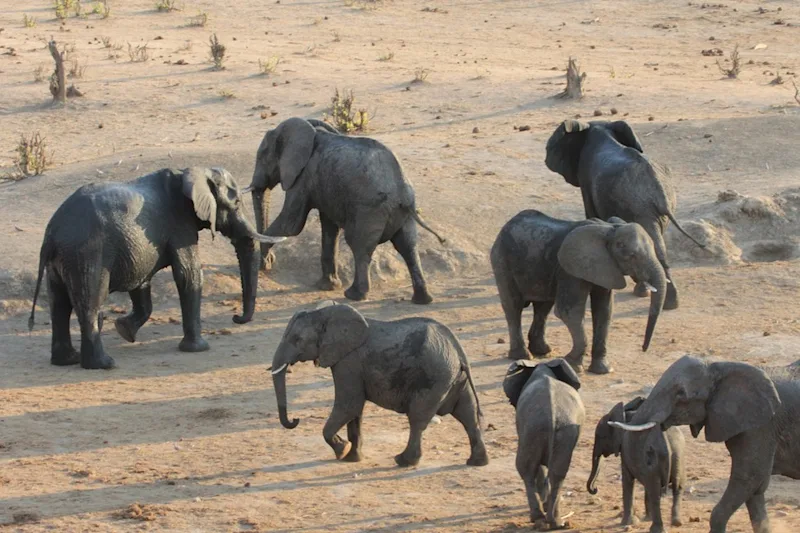
The non-profit Zimbabwe Conservation Task Force (ZCTF) has reported that 36 baby elephants, seven lions, and ten endangered sable antelopes were captured in Hwange National Park in November and will be transported to zoos in China.
Nature & Wildlife
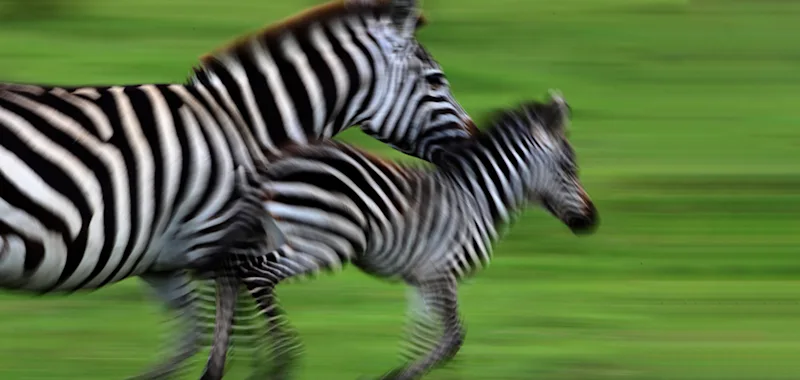
Africa’s Great Migration has long been a symbol of the continent’s abundant wildlife. The Serengeti Plains fill with millions of wildebeests and other animals, all traveling from the Ngorongoro region in Tanzania to the Maasai Mara in Kenya in search of food and water as the seasons change.
Conservation
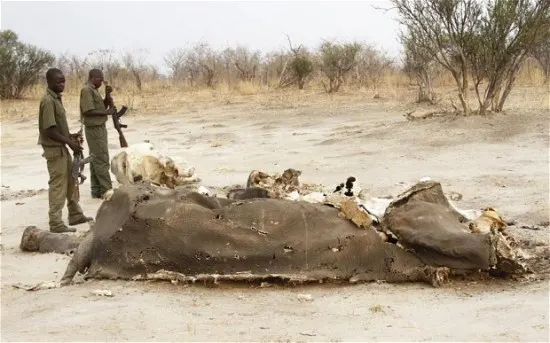
I’m always more enthused to share conservation success stories than grim accounts of wildlife devastation, but it’s crucial for the Good Nature community to remain informed about crises, too, since awareness and public pressure are often essential to addressing the problems that impede conservation efforts.
Nature & Wildlife
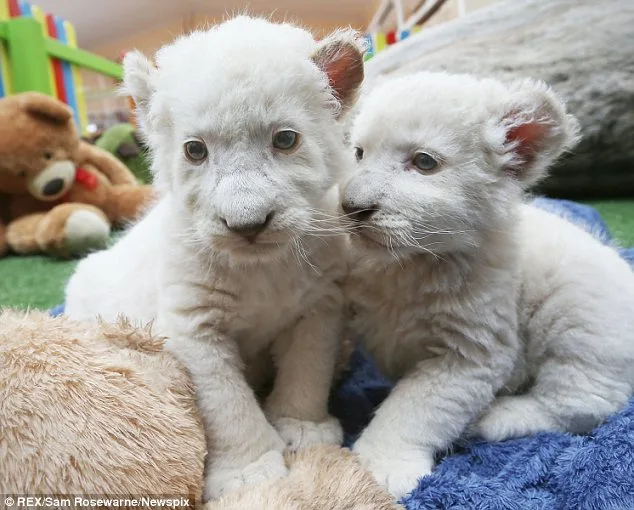
Two rare white African lion cubs were born recently at the Zoodoo Wildlife Park in Tasmania. At just 5 weeks old, you could say the cubs are the “pride” of the park! According to zookeeper Trevor Cuttriss, there are less than 300 white lions worldwide. These lions are not albino, as one might think.
Conservation
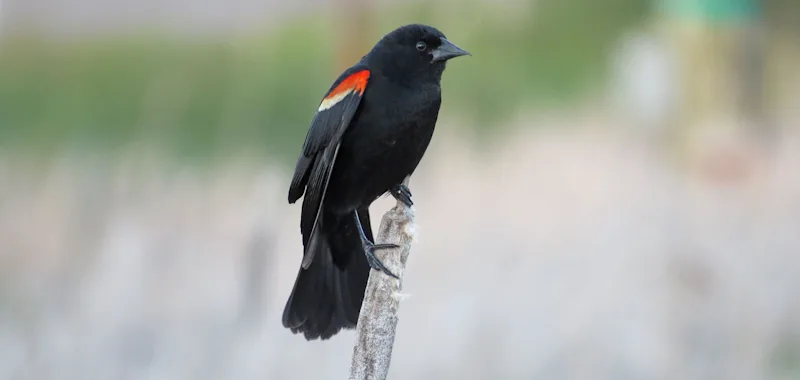
Instead of waking to falling snow as many of us did on New Year’s Day 2011, people in Beebe, Arkansas, rose to find thousands of birds—grackles, starlings and red-winged blackbirds—falling from the sky, dead. An aerial photo revealed that the carcasses fell within a one-mile stretch of Beebe.
Nature & Wildlife
Dogs never lie. I suspect it’s because they have tails. Happy or sad, a canine instantly communicates his feelings by the aspect of his tail. I’ve often wondered why we don’t invent such a backside appendage for ourselves that could connect to our nerve endings, much as some prosthetic arms and legs do.