

Videos
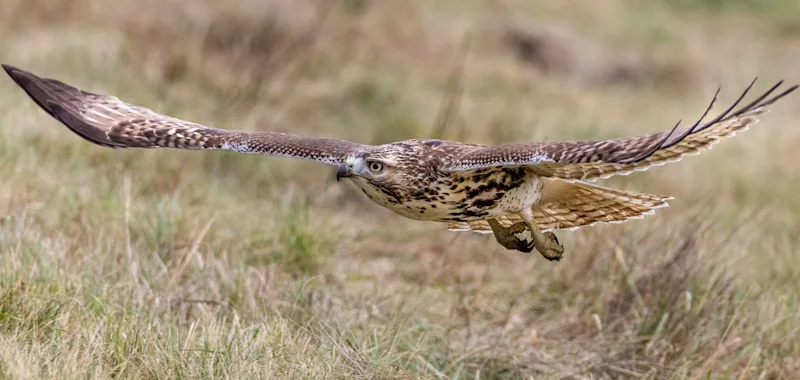
Video: Red-Tailed Hawk and Bull Snake Mix-Up
Predator meeting prey is part of the circle of life in nature. All living organisms need nutrition to produce the energy required to run their systems.
Videos
Predator meeting prey is part of the circle of life in nature. All living organisms need nutrition to produce the energy required to run their systems.
Conservation
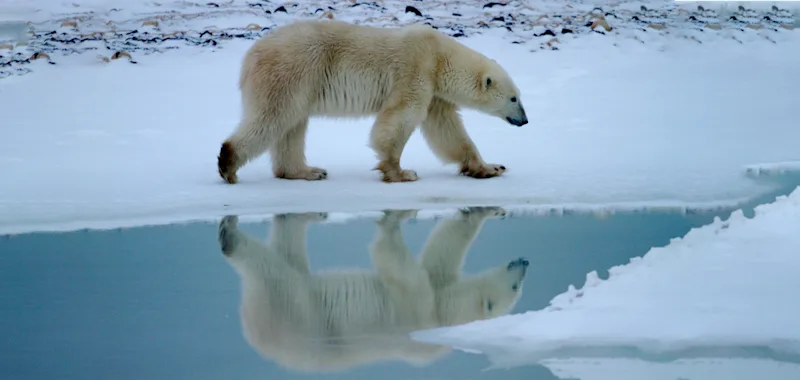
From the tiny monarch butterfly to the immense wildebeest of Africa, many of the world’s animal species take on great migrations. Those epic travels may involve seasonal journeys of thousands of miles, traversing multiple countries. For them, our human political boundaries have no meaning.
Nature & Wildlife
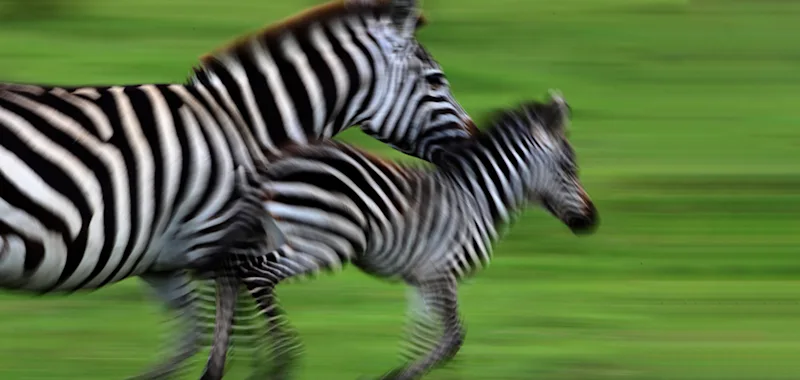
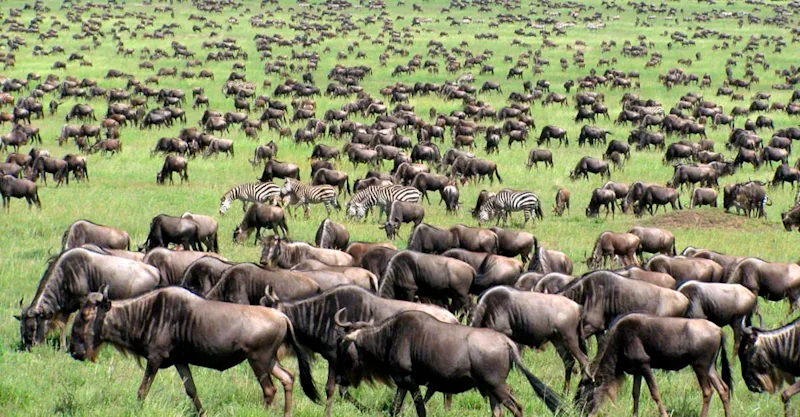
Africa’s Great Migration has long been a symbol of the continent’s abundant wildlife. The Serengeti Plains fill with millions of wildebeests and other animals, all traveling from the Ngorongoro region in Tanzania to the Maasai Mara in Kenya in search of food and water as the seasons change.
Nature & Wildlife
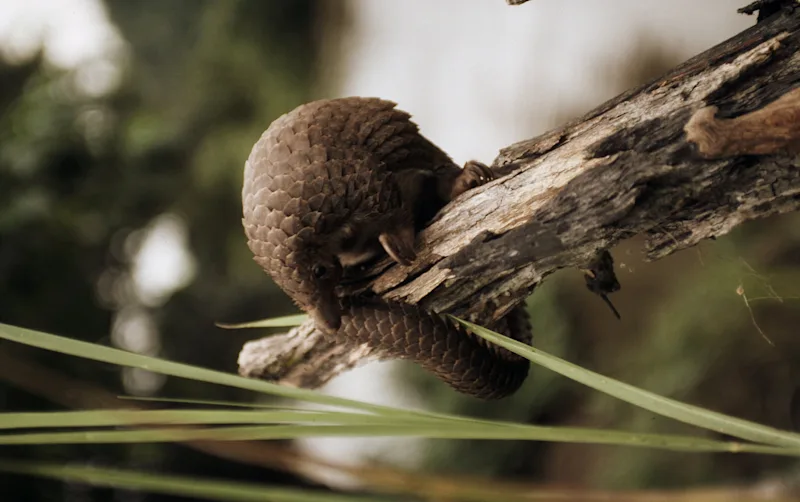
By Marsea Nelson, guest blogger for WWF Travel Many safari-goers travel to Africa with the hopes of seeing the “Big Five” and other iconic animals like the stunning giraffe and imposing hippo. But what about the less flashy animals that some travelers overlook?
Travel Tips
By Elissa Poma, Director of Internal Communications, WWF Natural Habitat Adventures and WWF offer migration-oriented tours to both Tanzania and Kenya. While wildlife sightings can never be guaranteed, both locales have generally offered thundering masses of wildebeest, zebras racing across the savanna and the drama that unfolds when predator encounters prey. But which to choose?
Nature & Wildlife
If you’ve been watching National Geographic Channel’s “Great Migrations” documentary, you’re learning a lot about one of the most amazing phenomena in the natural realm. But there’s nothing like being there to witness migrating wildlife firsthand. We’ve got some suggestions for you!
Conservation
Kenya’s Amboseli National Park will be receiving a few thousand new animals in 2010. The park located in southern Kenya on the border with Tanzania suffered a major setback in 2009 with droughts that caused over 60% of the zebra and wildebeest population to perish.