Good Nature Travel Blog

  • Conservation

    Twisted Terms: “SAVES Act” Actually Harms Endangered Species

    Oct 10, 2017 · Candice Gaukel Andrews

    There’s a sinister bill making its way through Congress, but you probably don’t know about it. The reason you don’t know about it is because of its name. It’s called the “SAVES Act” (Saving America’s Endangered Species Act, H.R. 2603). Sounds like it could be a good law, right? You couldn’t be more wrong.
  • Videos

    Videos: Reforestation, One Nation and One Person at a Time

    Sep 28, 2017 · Candice Gaukel Andrews

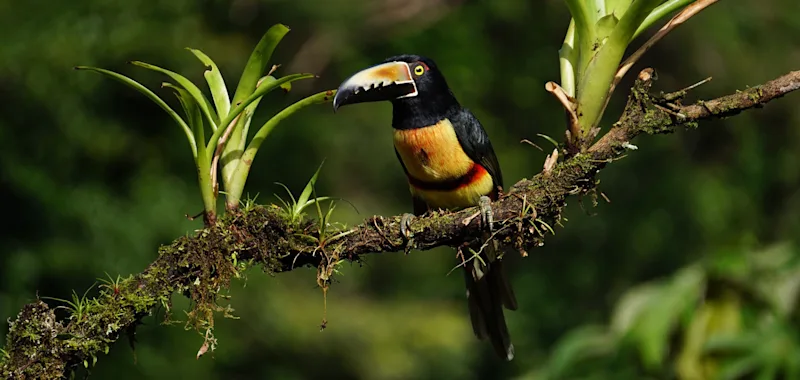
    Around the world, deforestation is causing millions of species to lose their natural habitats. Estimates are that tracts half the size of England are lost annually, and scientists say that the world’s rain forests could completely vanish in a hundred years at the current rate of clearing.

  • News & More

    Drones: Wildlife Difficulty or Poaching Deterrent?

    Mar 14, 2017 · Candice Gaukel Andrews

    Drones have become popular conservation tools. The Bureau of Land Management, the Department of the Interior and the U.S. Geological Survey have all used unmanned aerial vehicles (UAVs) to monitor wildlife populations or to map roads or wetlands for land management purposes.

  • Conservation

    New Technology Helps Catch Poachers in Africa

    Dec 14, 2016 · Tania Curry

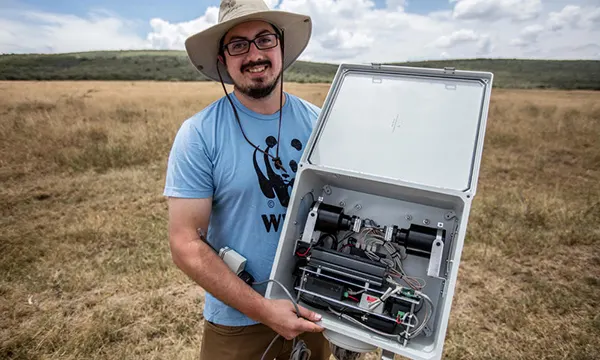
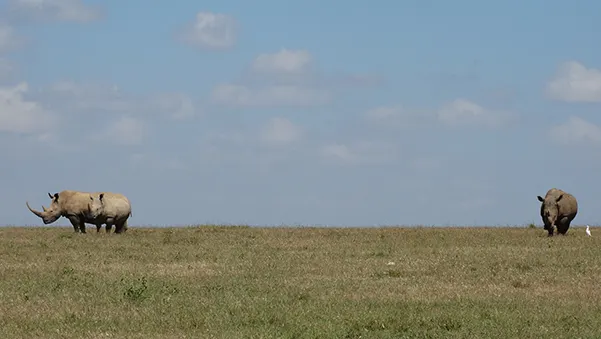
    Earlier this year, WWF installed two systems in a protected area in central Kenya where endangered white and black rhino roam along with poachers. Nine months later, this investment is paying off.

  • African Safaris

    Is It Too Late to Save the African Rhino?

    Dec 6, 2016 · iSafari

    As I wrote in a recent article, See—and Save—the Endangered Rhino, two of the remaining species of Rhinoceros in Asia—the Javan and Sumatran rhinos—are critically endangered (with an estimated only 57 individuals left in Java, Indonesia!).

  • African Safaris

    Saving Rhinos with Music in Namibia

    Nov 1, 2016 · iSafari

    Rhino poaching has reached epidemic proportions across the African continent. Even though the international trade in rhino horn has been banned since 1977, rising consumer demand has continued to fuel criminal syndicates that brutally kill rhinos for their horns.

  • Conservation

    Assam State in India Takes New Steps to Stop Rhino Poaching

    Jul 2, 2016 · Julie Waggoner

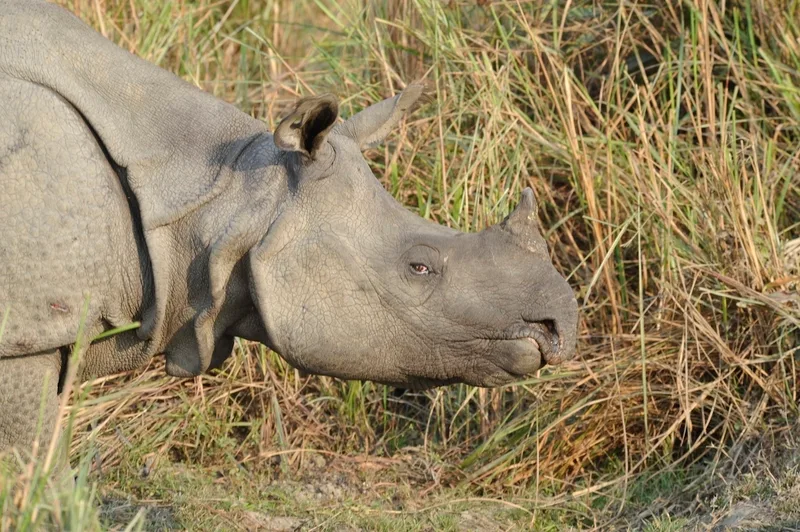
    In the northeast Indian state of Assam the newly elected government this month announced plans to crack down on poaching of one-horned rhinos in the area. Kaziranga National Park in Assam is home to the world’s largest population of rare and endangered one-horned rhinos.

  • Nature Photography

    Wildlife Photo of the Week: Flower Power

    May 20, 2016 · Kendal Bower

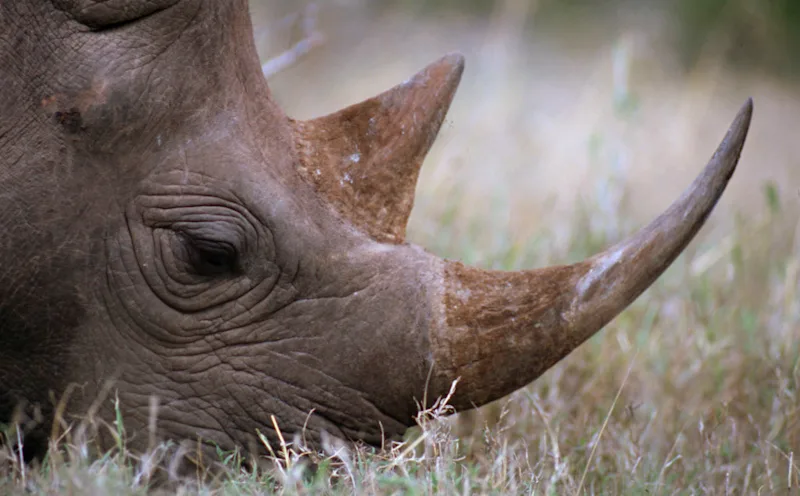
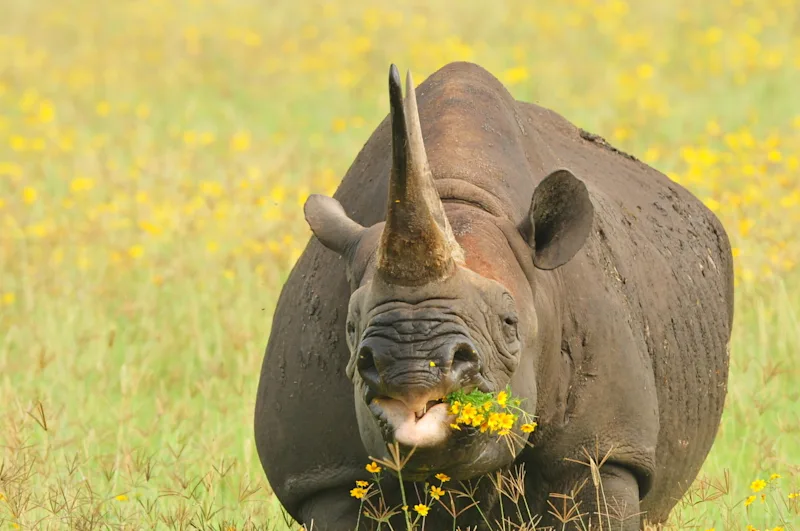
    Every Friday, we choose our favorite photo of the week from our Wildlife Photo of the Day website. This week we chose a black rhino in Tanzania. Photographer Brad Starry captured this moment of a rhino munching on wild flowers in Ngorongoro Crater. Have you taken some amazing wildlife photos during your travels?

  • Conservation

    Vanquished Vultures and Criminal Coyotes: Underappreciated Wildlife

    Feb 23, 2016 · Candice Gaukel Andrews

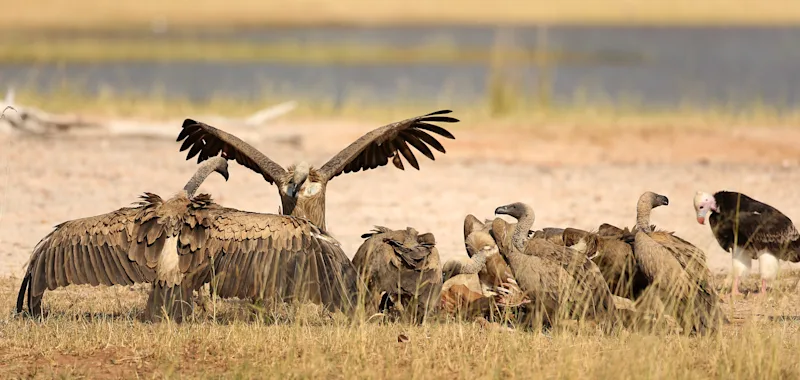
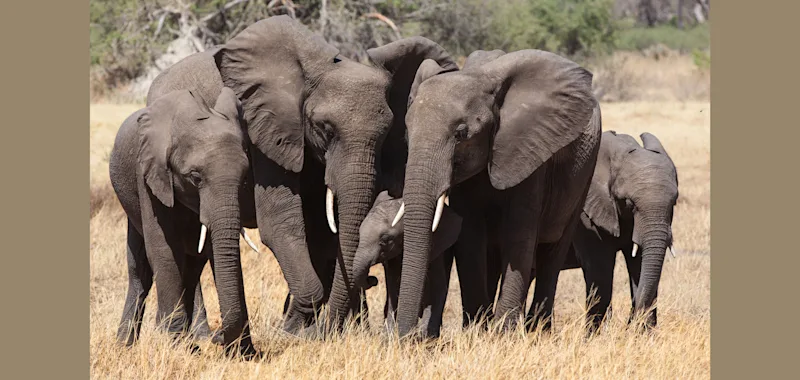
    Poaching has pushed species of elephants and rhinos to the brink of extinction. Poachers are also bringing another type of animal to the edge of existence, but I bet you haven’t even heard of its imminent demise at their hands. I’m talking about vultures.

  • African Safaris

    Black Rhinos Survive in the Deserts of Namibia

    Feb 15, 2016 · iSafari

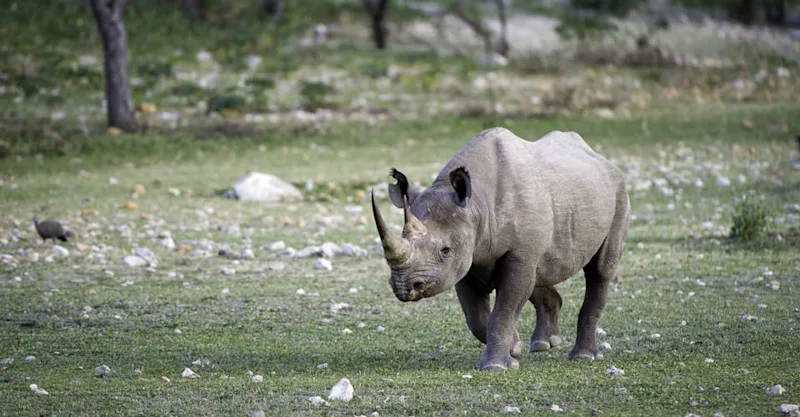
    Due largely to the high value of powdered rhino horns in traditional Chinese medicine, poachers killed 98 percent of the rhinos in Africa between 1960 and 1995. Even now, rhino populations continue to decline rapidly around the world.

  • African Safaris

    When a Kenya Safari is More Than a Safari

    Jan 27, 2016 · iSafari

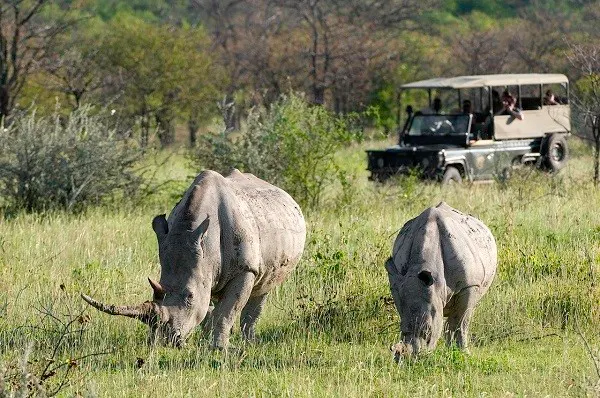
    It’s difficult to imagine why such a large and powerful animal would be so skittish. With a modest charge, a white or black rhino could seemingly bulldoze anything in its path. But some of the rhinos newly introduced to wildlife conservation areas in Kenya are noticeably wary of human presence.