

Latin America
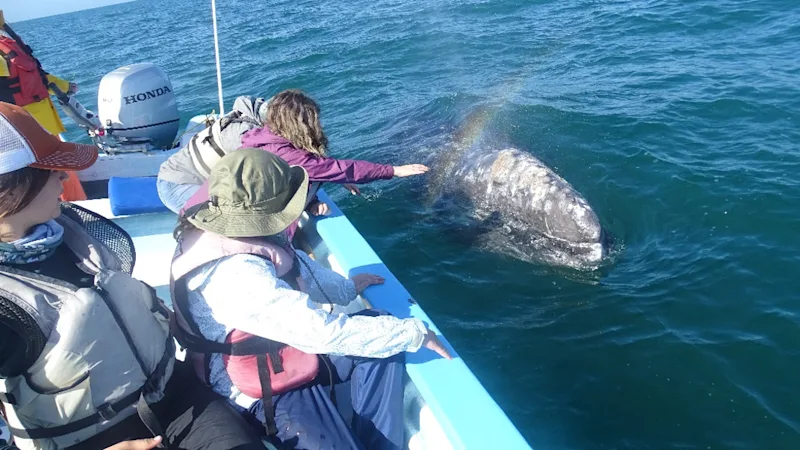
Gray Whales and Family Bonds in Baja
After 20 years at Natural Habitat Adventures, I had the opportunity to do something new…share the experience of a Nat Hab trip with one of my children!
Latin America
After 20 years at Natural Habitat Adventures, I had the opportunity to do something new…share the experience of a Nat Hab trip with one of my children!
Travel Tales
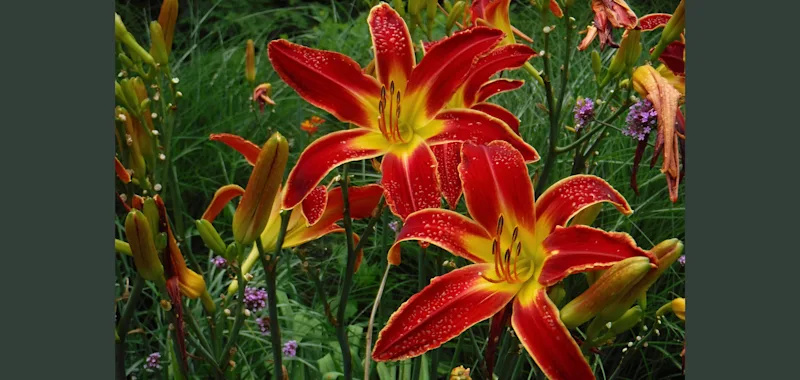
The world that I look out upon from the window in my home office, here in Wisconsin, is pretty quiet right now. In other times, the interstate just beyond the woods that surrounds my house would be busy with fast-moving cars and semitrucks. But presently, only occasionally does the sound of any traffic reach me.
Conservation
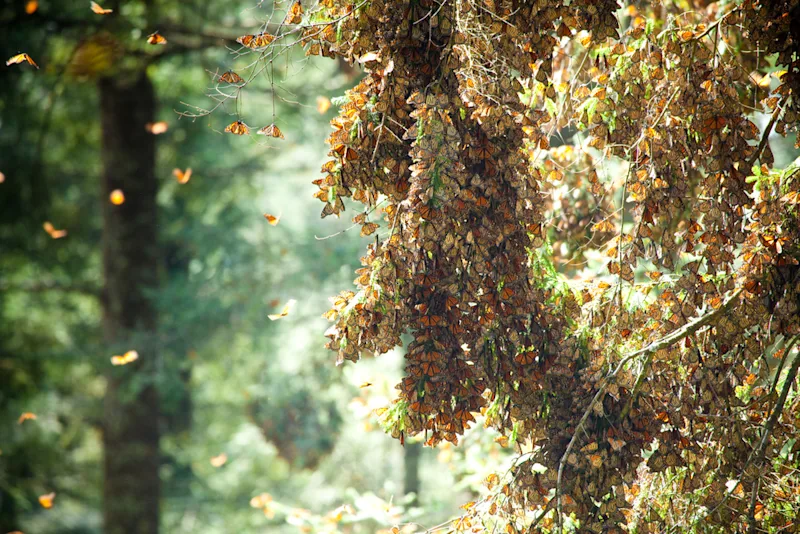
A recent survey found that monarch butterflies only occupied 7 acres of forest during the 2019-2020 winter season, a 53% decrease from the 15 acres that were occupied only one year ago.
Nature & Wildlife
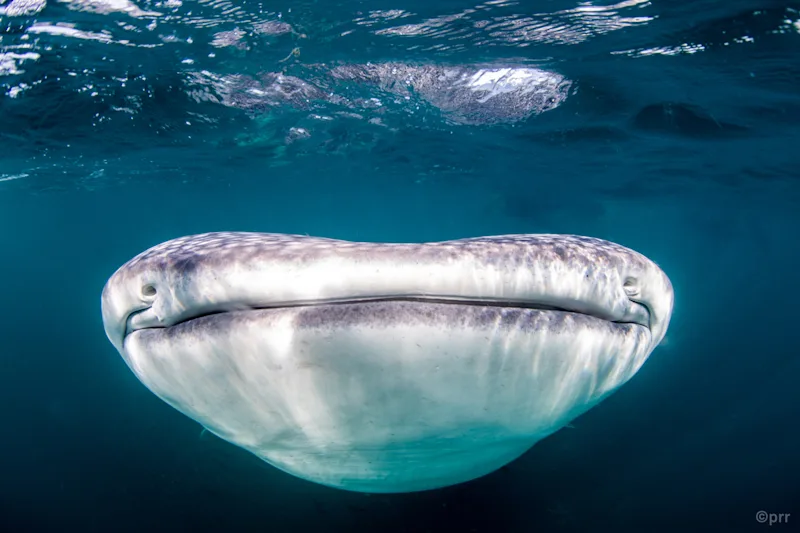
Every Friday, we choose our favorite photo of the week from our Wildlife Photo of the Day website. This week we chose a whale shark in Mexico! Photographer Paola Ruffo caught this awesome shot in La Paz, Mexico! Have you taken some amazing wildlife photos during your travels?
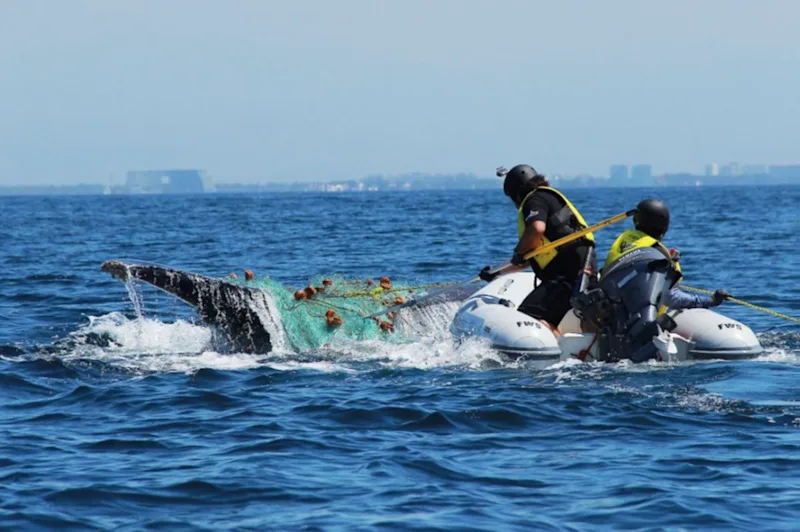
Conservation
As a part of our initiative to consistently raise the bar on conservation, Natural Habitat Adventures supports philanthropy efforts around the world. In 2018, we donated funds to the Mexican Big Whale Disentanglement Network (RABEN).

Nature & Wildlife
The United Nations Educational, Scientific and Cultural Organization (UNESCO) defines world heritage as “our legacy from the past, what we live with today, and what we pass on to future generations. Our cultural and natural heritage are both irreplaceable sources of life and inspiration.”
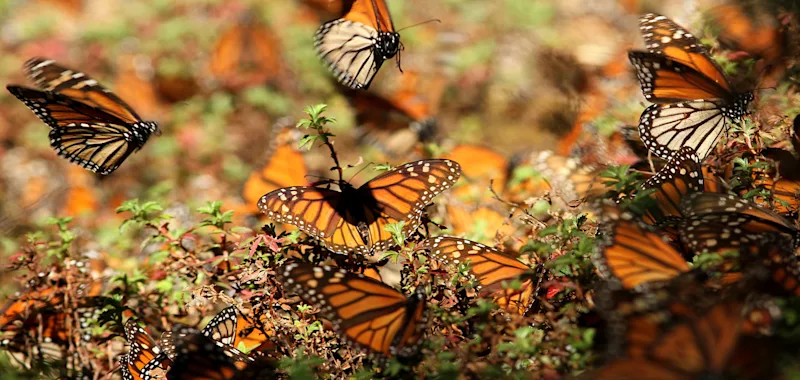
Latin America
In recent years, reports on monarch butterfly populations have been confusing: just two years ago, we were hearing that the monarchs were teetering on the edge of extinction. More recently, however, conservation news headlines have alerted us to increases in monarch butterfly populations—as much as 144 percent in one year.
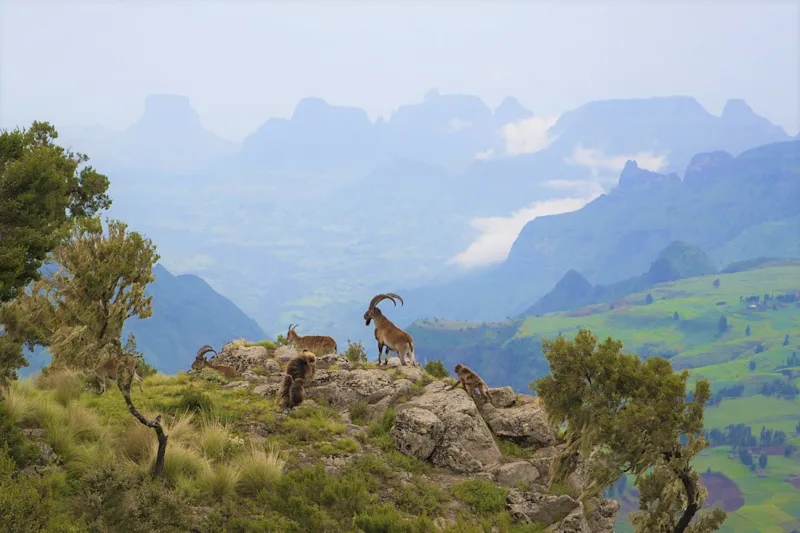
African Safaris
In just 12 hours, Ethiopia planted 353,633,660 trees, shattering the previous world record for trees planted in a single day.
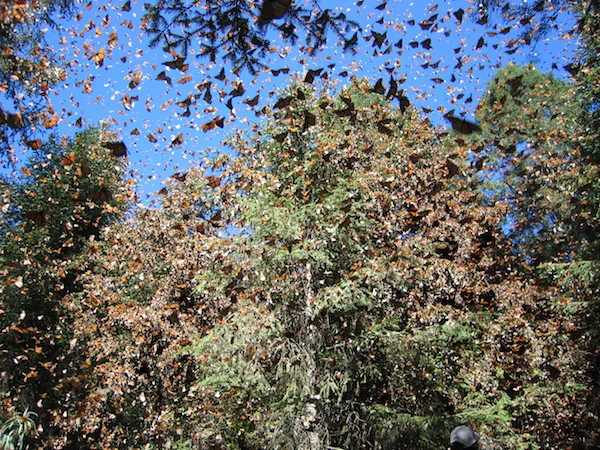
Conservation
Walking through the Mexican Highlands, you can almost hear a little flutter. Footsteps slowly approach the noise as the forest in the distance comes into view. As you get closer, you realize the trees are shimmering orange and black. Suddenly, you find yourself standing under a canopy of life, filled with millions of monarch butterflies.
Latin America
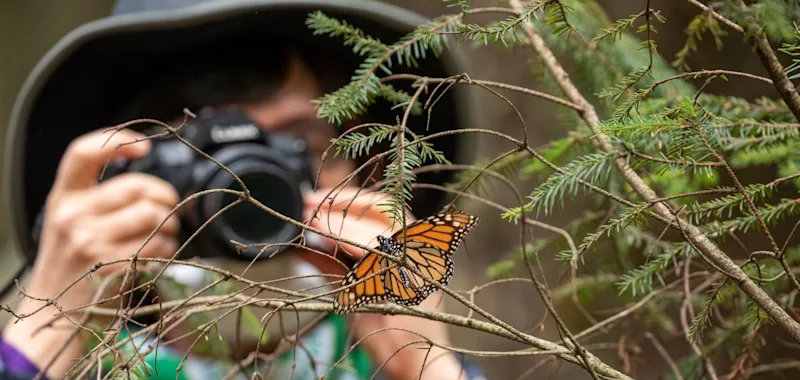
Mexico’s Amazing Monarch Migration Presented by Natural Habitat Adventures Watch Now Seeing a million butterflies take flight above forest groves and hearing their symphony of whirring wings is truly a once-in-a-lifetime experience—unlike any other in nature!
Latin America
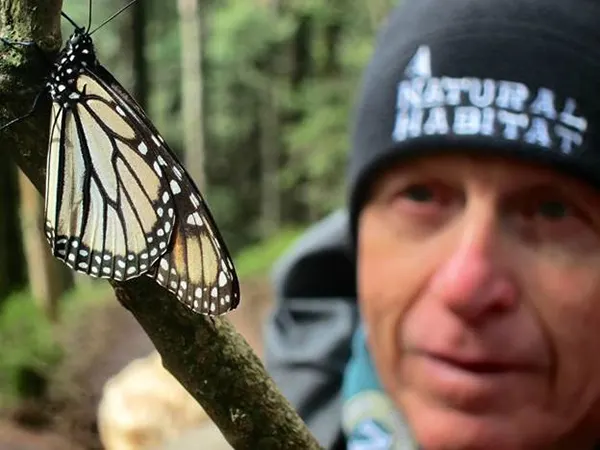
“While on a Natural Habitat Adventures trip to Mexico to witness the incredible wintering of monarchs, there was one profound moment that I will never forget. To understand that moment, we need to go back many years to a cute little blond-haired girl who nurtured a monarch caterpillar to a chrysalis.
Nature & Wildlife
Because of ongoing and potential loss of their sea ice habitat resulting from climate change, polar bears were listed as a threatened species in the United States under the Endangered Species Act in May 2008.