

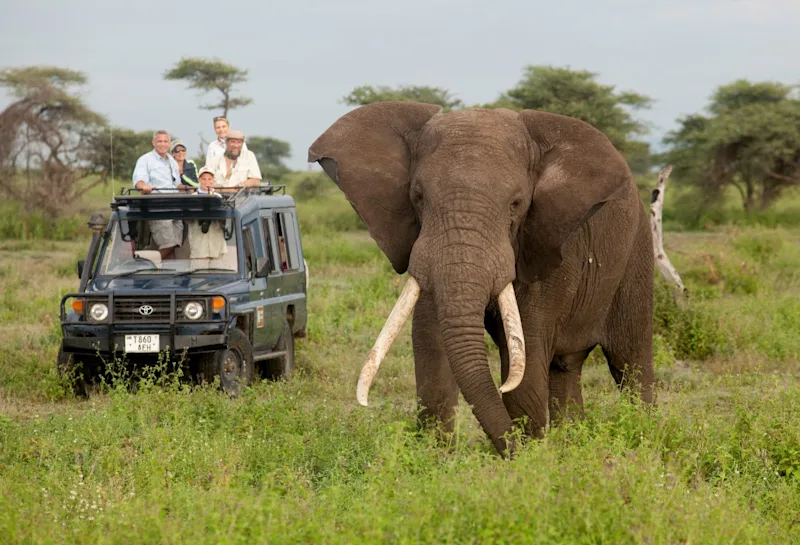
African Safaris
4 Places to See Wildlife on Your East Africa Safari
Many adventurers who love both wildlife and travel may have had “African safari” written at the top of their bucket list for quite some time.
African Safaris
Many adventurers who love both wildlife and travel may have had “African safari” written at the top of their bucket list for quite some time.
News & More
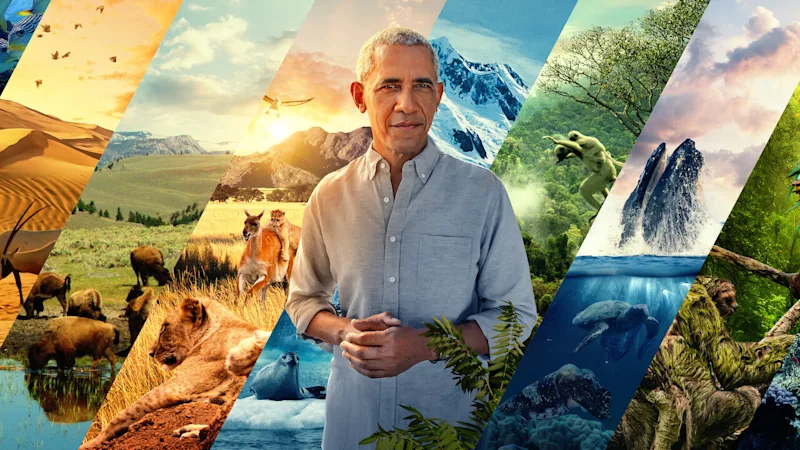
On an early morning in southern Chile’s rugged Laguna San Rafael National Park, a Netflix series film crew caught a rare and unusual sight: a kodkod wandering through the camp where they were eating breakfast. Kodkods are the smallest species of wild cats in the Americas; approximately the same size as a tiny house cat.
Travel Tips
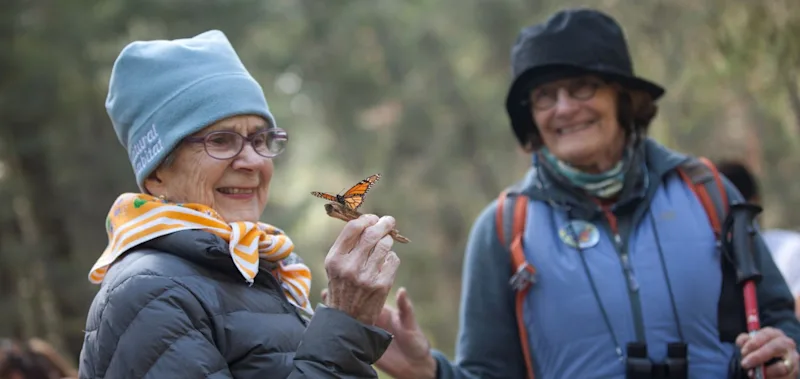
A year and a half of lockdowns and delayed plans have left many of us dreaming of our next great adventure. With countries across the globe now open to Americans, Nat Hab travelers are getting back into the field and immersing themselves in spectacular nature destinations once again.
African Safaris
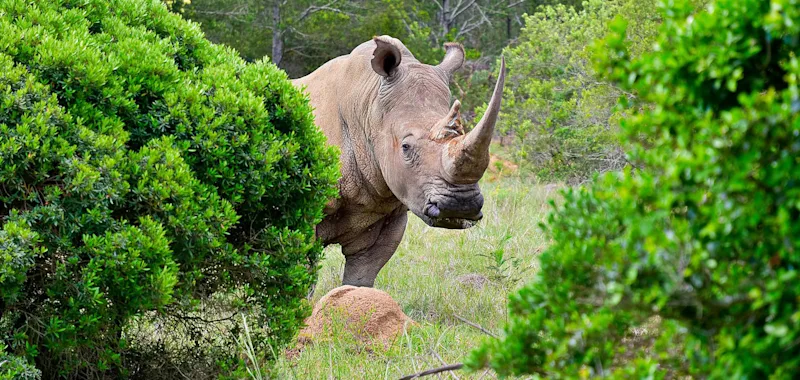
At times, wildlife conservationists do things that might look a bit strange or even questionable to the rest of us. And seeing a rhino tied by its legs and suspended from a helicopter—even though it’s to move the animal away from poachers—is one example that is uncomfortable for most of us to watch.
African Safaris
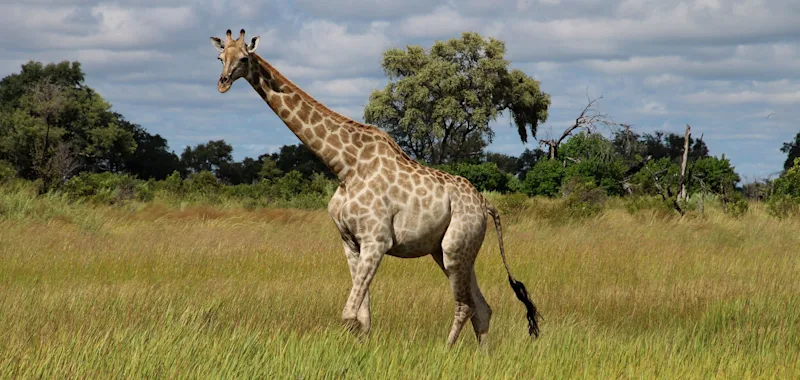
Much like the beneficial but complicated effects that the wolves of Yellowstone National Park exert upon their environment, recent research is beginning to show that there is a complex relationship between elephants, giraffes and other megafauna and their natural habitats, the African savannas.
African Safaris
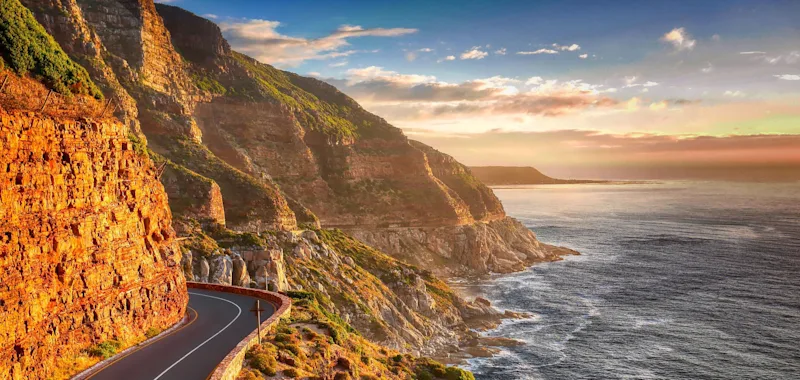
I have never been to Africa. Yet, I like to imagine being there: I picture myself on a safari in Botswana, Kenya, Namibia, South Africa or Tanzania.
Travel Tips
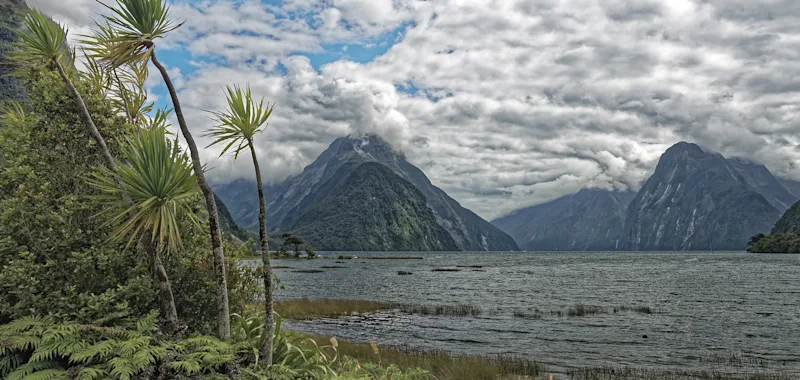
Almost a year ago, before the COVID-19 pandemic raced around the world, I thought of writing to you about the countries that seem to perpetually be on annual lists of the “most beautiful in the world”—nations such as Costa Rica, Iceland, New Zealand, Norway and Kenya.
Conservation
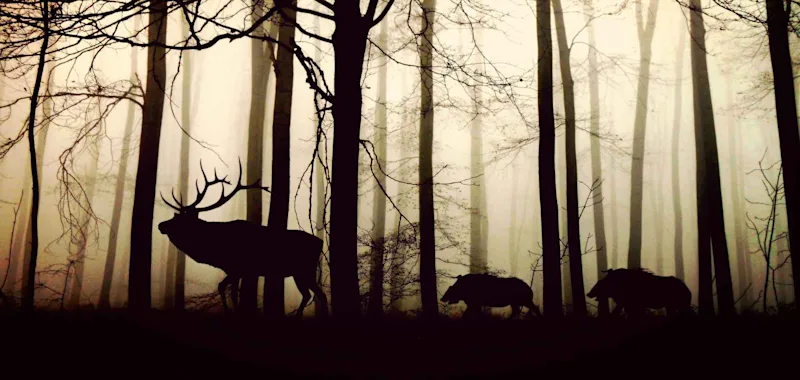
True wilderness areas—where human impacts are minimal or entirely absent—are dwindling. That probably comes as no surprise to you.
Conservation
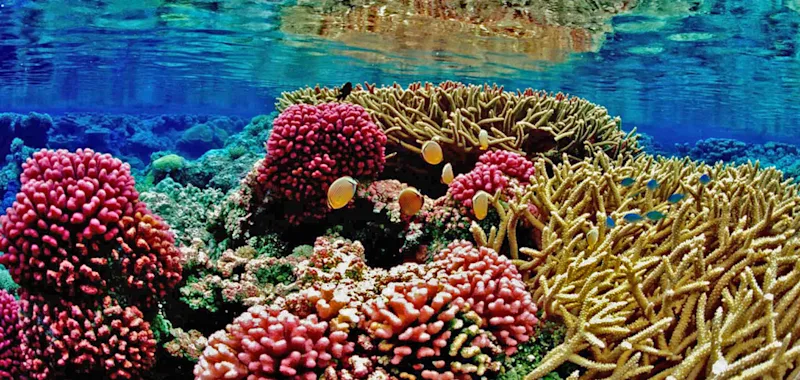
For almost 24 million years, say scientists, coral reefs have functioned relatively unchanged. That is, until the 1980s. Starting in that decade, tropical coral reef coverage around the world has declined by about 30 to 50 percent.
African Safaris
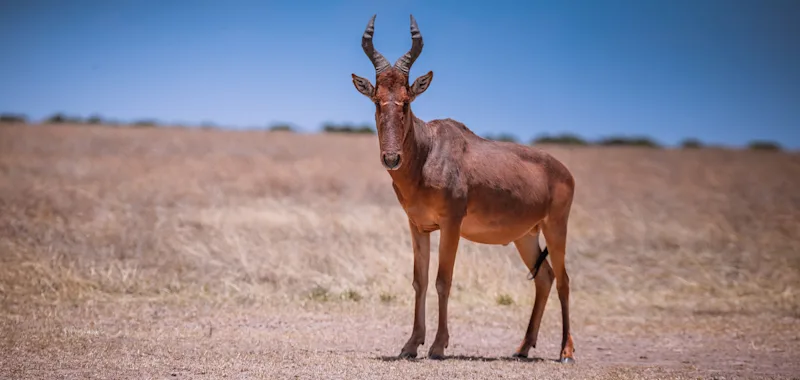
Hartebeests—the narrow-faced, savanna-adapted and unusual-looking African antelope that are native to more than 25 African countries—are on a downhill population slide. The African Wildlife Foundation estimates that there are about 360,000 of them left in eight to 10 recognized subspecies, one of which is entirely extinct. In Kenya, particularly, hartebeest numbers are decreasing, threatening extinction.
African Safaris
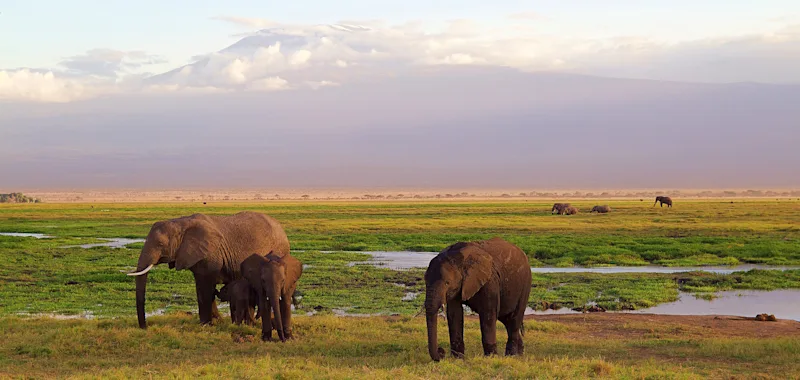
The term Africa’s Big Five means something quite different today than it did when it was coined in the late 1800s during the continent’s colonial period. Then, it referenced the animals—Cape buffalo (or African buffalo), elephants, leopards, lions and rhinoceroses—that trophy hunters considered to be the most challenging and dangerous to hunt on foot.
News & More
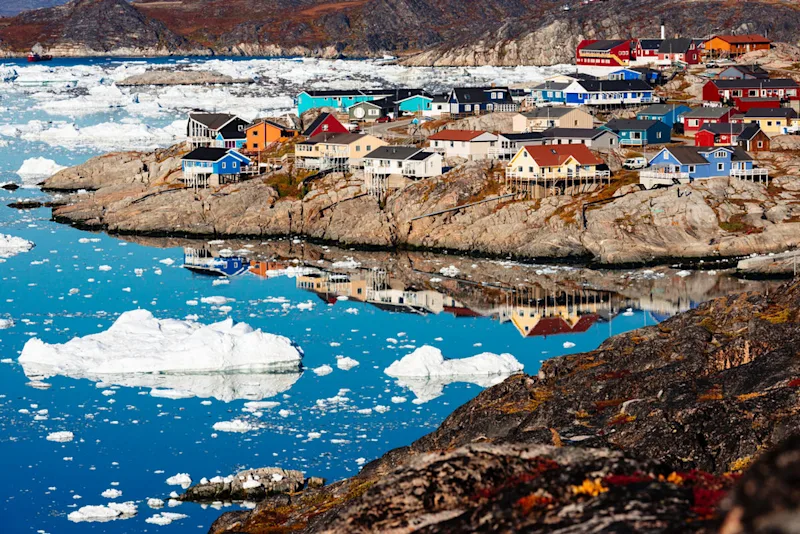
Every year, the New York Times names 52 places as top destinations to visit. This year, nine Nat Hab destinations made the list. Some destinations are making strides in conservation and others are dramatically changing as a result of climate change. Travel can bring about inspiration and perspective to those trapped in their everyday bubble.