Good Nature Travel Blog

  • Conservation

    Species-Rich Places and the “Robin Hood” Conservation Strategy

    Nov 21, 2023 · Candice Gaukel Andrews

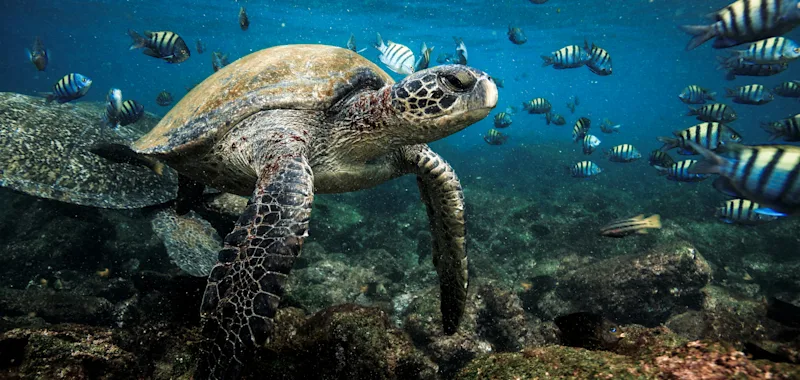
    Ever since the HMS Beagle arrived in the Galapagos Islands with a young Charles Darwin aboard—who was soon to meet a fateful family of finches—ecologists have struggled to understand a particularly perplexing question: Why is there such a ridiculous abundance of species in some places on Earth and a scarcity in others?
  • Galapagos Islands

    Five Reasons You Should Book a Family Trip with Nat Hab

    Sep 7, 2023 · WWF

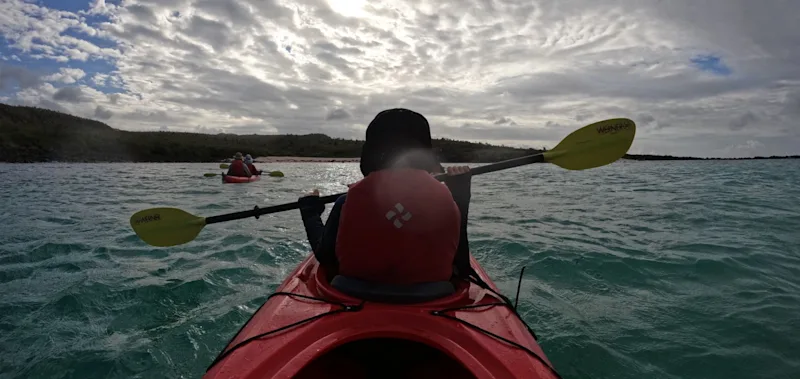
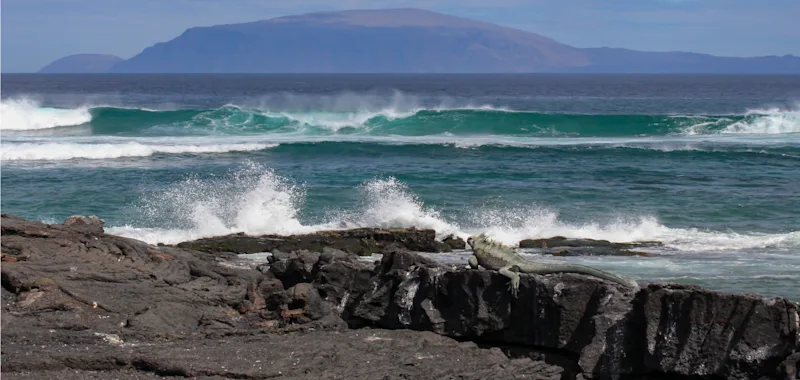
    By Sara Thomas, WWF Senior Director of Integrated Marketing and Activism Tucked away in the Pacific Ocean exists a wildlife enthusiast’s paradise—one that many conservationists and travel experts alike have on their bucket list: The Galapagos Islands. Traveling to Ecuador’s biodiverse Galapagos Islands has the promise of being the trip of a lifetime.

  • Conservation

    New Galapagos Coral Reef Discovered

    May 23, 2023 · Candice Gaukel Andrews

    Deep beneath the waters of the Galapagos Marine Reserve (GMR) and atop a submerged volcano, an ancient coral reef was just discovered by an international group of scientists. It’s the first to be documented inside the protected area since it was established in 1998.

  • Conservation

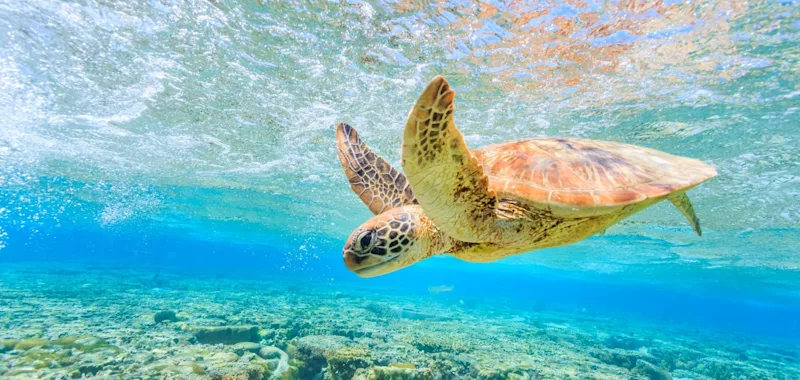
    Save the Turtles! Celebrate World Turtle Day

    May 21, 2023 · Laura Kiniry

    The roads in Sea Isle City, New Jersey, can reach peak capacity during the summer months, but it’s not just because of vehicular traffic.

  • Conservation

    13 Conservation Success Stories of 2022

    Dec 30, 2022 · Lavanya Sunkara

    Wildfires. Global warming. Floods. Pollution. Mass extinctions. With the 24-hour news cycle constantly spouting negative headlines about the state of the planet, it’s easy to feel down, especially during the winter months.

  • Videos

    Videos: A New Zealand Albatross Takes Its First Flight

    Nov 1, 2022 · Candice Gaukel Andrews

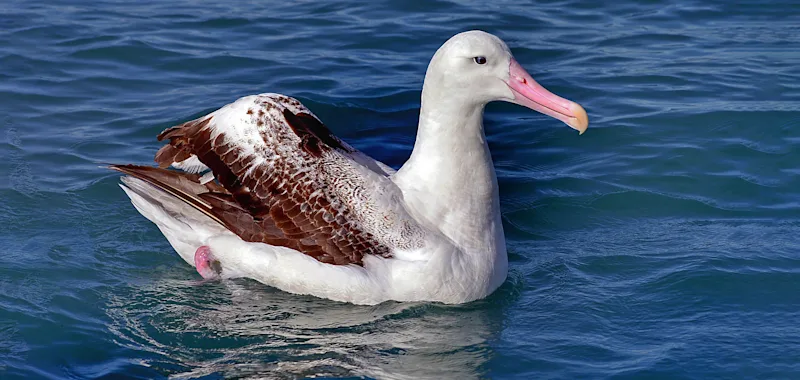
    There are some who just love flight. The ones that I’m thinking about have the longest wingspans in the animal kingdom, and they are masters at using them efficiently. They can fly 50 miles per hour. They go years without touching land; in fact, most of their time is spent up in the clouds.

  • Latin America

    What’s the Difference Between a Seal and Sea Lion?

    Oct 20, 2022 · Samantha Miller

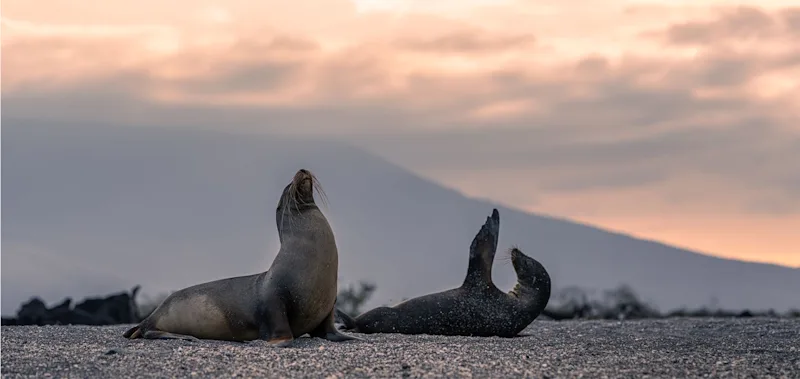
    Seals, walruses, sea lions and fur seals are all marine animals known as pinnipeds. Pinniped is a Latin-derived word that can be translated to mean “feather-footed” or “fin-footed,” describing an important characteristic that distinguishes each species. Pinnipeds are divided into three distinct families that comprise 33 different species.

  • Galapagos Islands

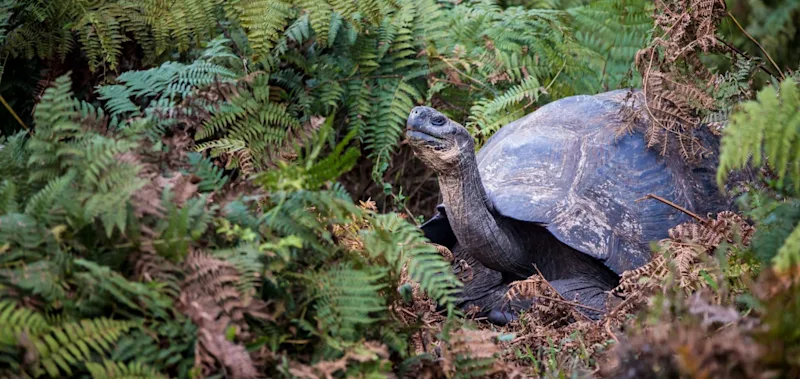
    What’s the Difference Between a Turtle and a Tortoise?

    Aug 10, 2022 · Lavanya Sunkara

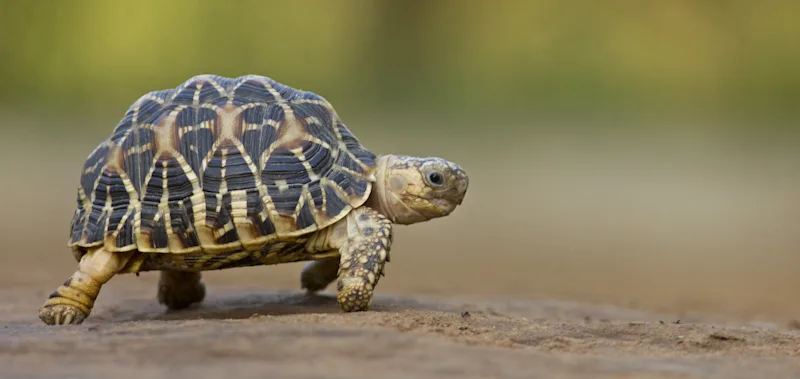
    Turtles and tortoises are some of the oldest living reptiles, having roamed the earth for more than 200 million years. Many people call tortoises turtles, and that’s not wrong. Tortoises are, in fact, turtles, but not all turtles are tortoises.

  • Conservation

    The Rewilding Movement: Lost Species Rediscovered

    Aug 4, 2022 · Cathy Brown

    “Re:wild: The Search for Lost Species” sounds like the title of an action-adventure movie, and in a way, this ambitious and optimistic initiative contains all of the plot lines to keep us nature lovers on the edge of our seats.

  • Latin America

    9 Active Adventures for the Outdoor Enthusiast

    Jul 27, 2022 · Michelle Peters

    Ready to get outside and explore? We’re here to help you expand your horizons, try new activities or enjoy more hours of the pursuits you’re already passionate about. We can point you toward fresh destinations or help you experience places you already love in a brand-new way.

  • Conservation

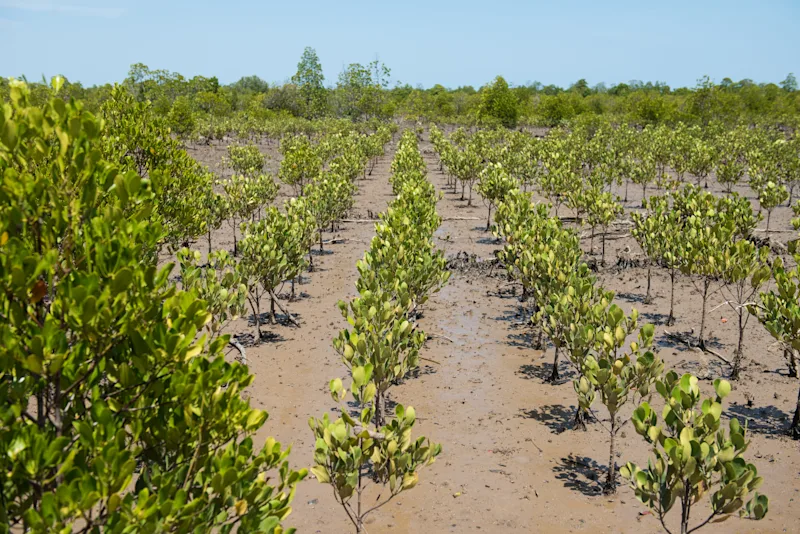
    The Magic of Mangroves and Where to Spot Them

    Jul 21, 2022 · Madison Mitchell

    Have you ever seen trees sprouting out of saltwater? You may know them to be mangroves, a vibrant part of coastal wetlands that reside on five continents. Their roots are found above and below the water and soil, often hidden amongst the mud.