

Travel Tales
Traveler Story: Sunrise Surprises on a Hidden Yellowstone Photo Safari
Nat Hab travelers Lois O. Gray and Kay Gilmour recently journeyed on our Hidden Yellowstone Photo Safari, and they recount the first day of their wildlife adventure.
Travel Tales
Nat Hab travelers Lois O. Gray and Kay Gilmour recently journeyed on our Hidden Yellowstone Photo Safari, and they recount the first day of their wildlife adventure.
Nature Photography
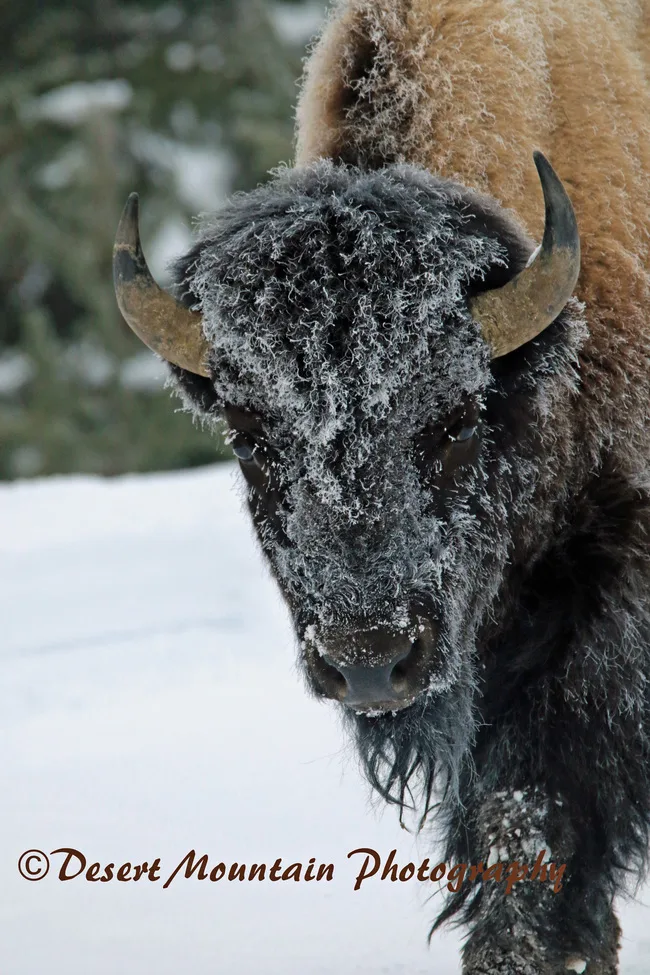
Every Friday, we choose our favorite photo of the week from our Wildlife Photo of the Day website. This week we selected a frosty bison in Yellowstone National Park. Photographer Ann Sullivan captured this photograph last January using her 120-400mm lens. Have you taken some amazing wildlife photos during your travels?
Conservation
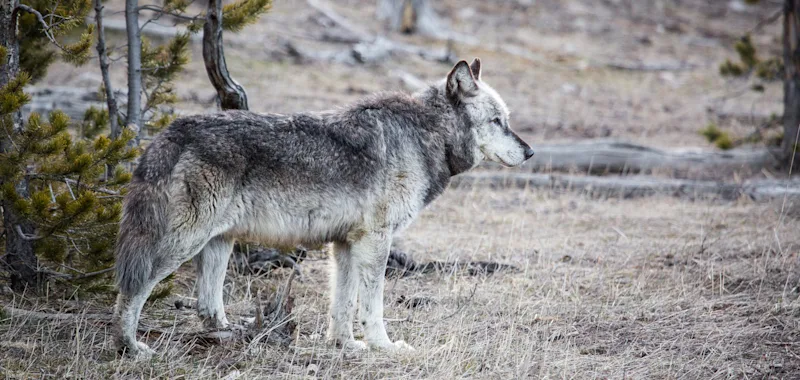
Conflict between wolves and ranchers is just about as old as, well, as there have been ranchers in the West. Wolves were nearly hunted, poisoned and trapped to extinction in the Lower 48 a few decades ago, due in part to the threat they posed to livestock.
Nature & Wildlife
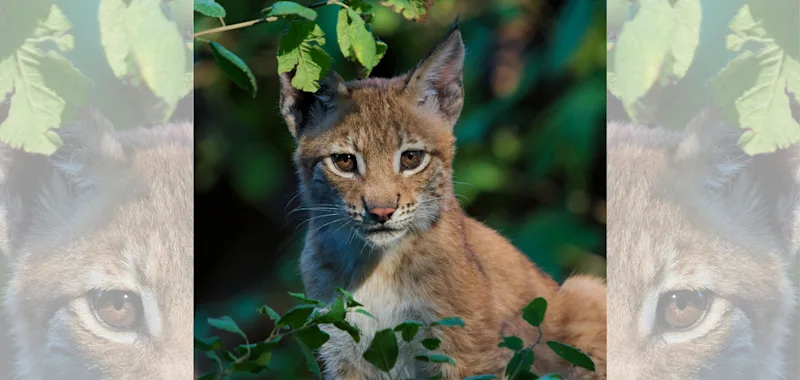
It’s a story too often told. Once, a predator roamed wildlands and then was relentlessly hunted to extinction or to the brink of it. In the Lower 48, the histories of bison, gray wolves, beavers, grizzly bears and whooping cranes come to mind. In Great Britain, the story includes Eurasian lynx.
Nature & Wildlife
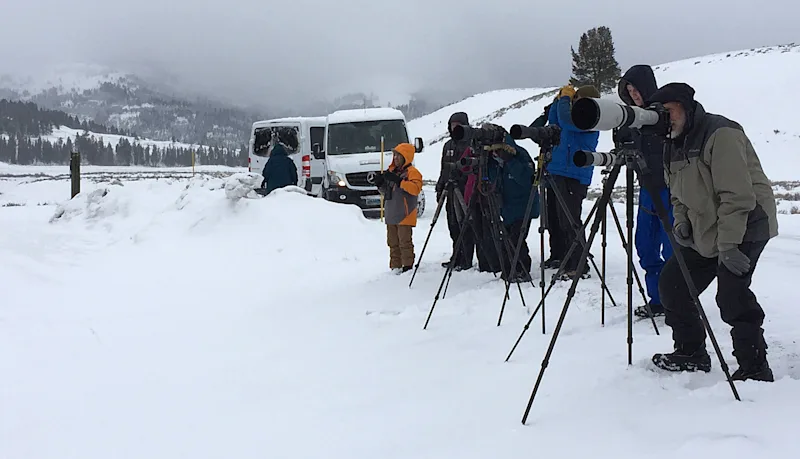
By Mac Mirabile, WWF I recently returned from an unforgettable wolf photo safari trip in Yellowstone National Park. While wolves were certainly our main target each day, there were ample opportunities to photograph bison, coyotes, red foxes, pronghorn, elk, deer and dozens of bird species along the way.
Videos
Arapaho and Shoshone people on the Wind River Reservation in Wyoming—2.2 million acres of tribal lands—released 10 genetically pure bison on November 3, 2016. Imported from the Neal Smith National Wildlife Refuge in Iowa, these animals are the first to establish a wild herd there in 131 years.
Videos
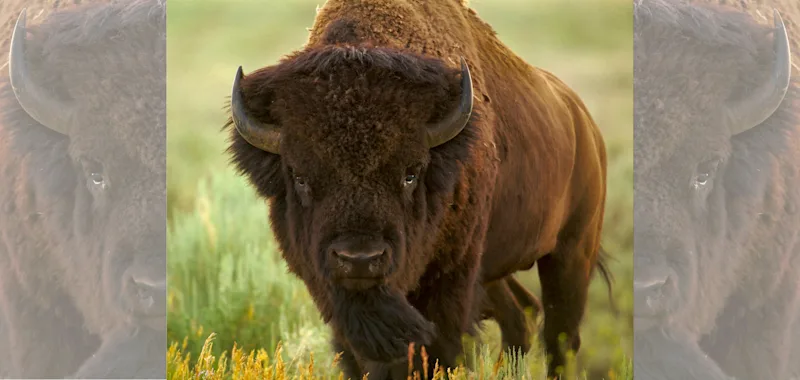
Bison, our national mammal, have returned to more of their homeland. On November 3, 2016, 10 bison were released on the 2.2-million-acre Wind River Reservation in Wyoming. The last wild buffalo to be seen there was in 1885, 131 years ago.
Nature & Wildlife
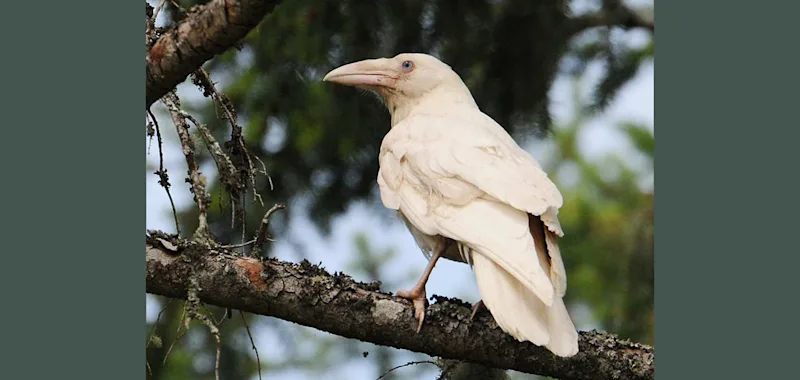
A framed photo that hung on a wall of my grandfather’s large dining room is one of my earliest memories. Sepia-toned, it depicted a herd of deer, taken in Wisconsin’s Northwoods, near Boulder Junction. A few of the deer in that image looked different from the others; they appeared to be all white.
Conservation
This was a banner year for our national parks. In 2016, we celebrated 100 years of America’s “best idea,” to quote environmentalist and nature writer Wallace Stegner. Many of us flocked to our national park units to honor and experience our shared, national treasures and lands.
Nature Photography
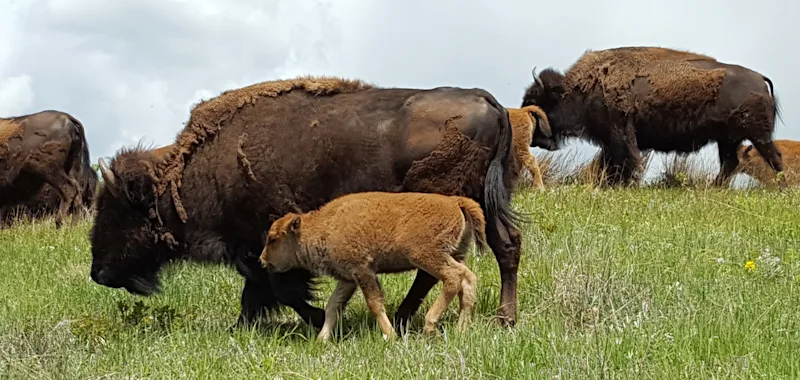
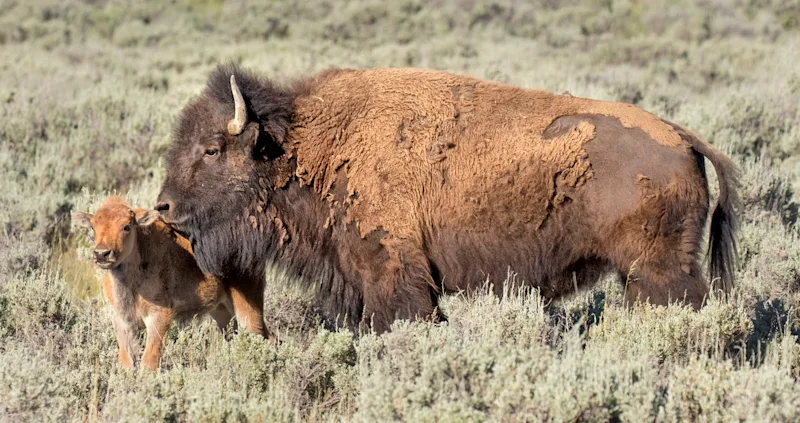
Every Friday, we choose our favorite photo of the week from our Wildlife Photo of the Day website. This week we selected a scene from Grand Teton National Park. Photographer Steve Grodin captured this moment between a bison mother and calf (also known as a “red dog”).
Conservation
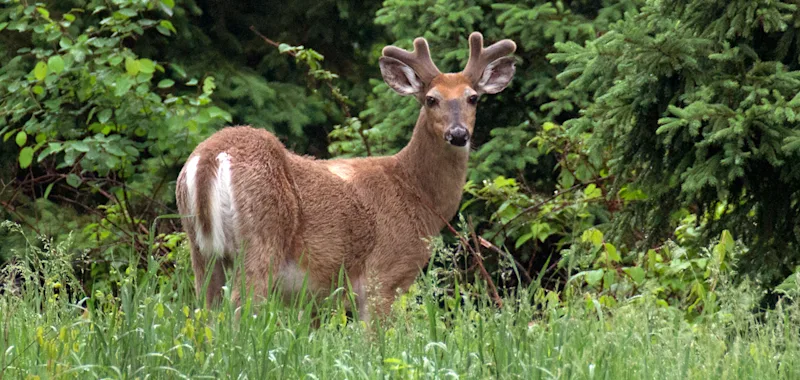
Fall in Wisconsin, where I live, is colorful. Leaves in our forests turn vivid purple, red and yellow; and deer hunters in our woods dress in vivid orange.
News & More
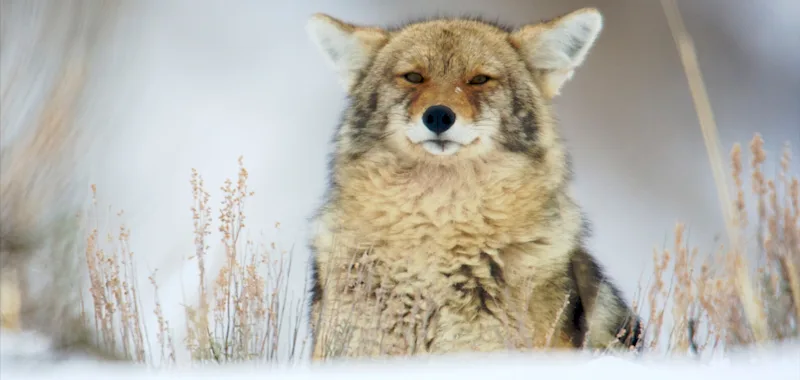
American attitudes toward wild animals are growing more positive, according to a new study published just last month in the international journal Biological Conservation. Between 1978 and 2014, our thinking about eight historically stigmatized species—including bats, coyotes, vultures, sharks and wolves—were found to be significantly more favorable. On the surface, that sounds like good news.