Good Nature Travel Blog

  • Nature Photography

    Wildlife Photo of the Week: Busy Otter

    Nov 18, 2016 · Kendal Bower

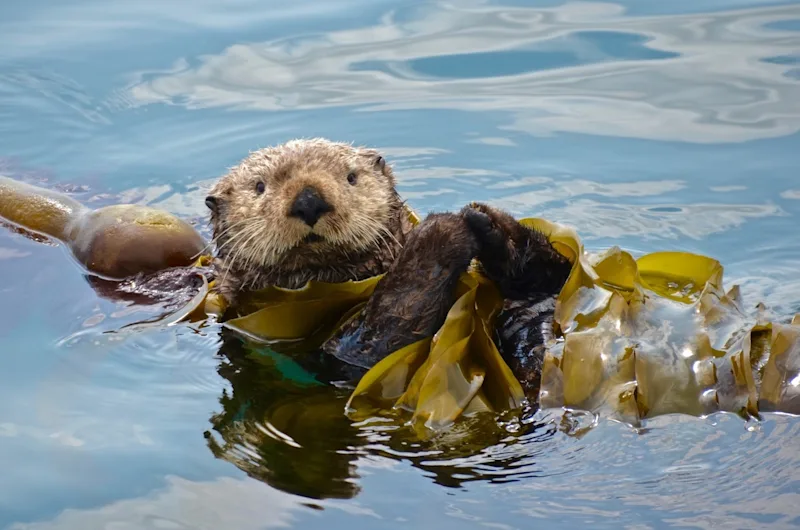
    Every Friday, we choose our favorite photo of the week from our Wildlife Photo of the Day website. This week we chose a sea otter in Alaska. Photographer Richard Estler came across this otter floating in the kelp off the coast of Kodiak. Have you taken some amazing wildlife photos during your travels?
  • Conservation

    Can National Parks Survive Our Behavior for Another Century?

    Nov 15, 2016 · Candice Gaukel Andrews

    This was a banner year for our national parks. In 2016, we celebrated 100 years of America’s “best idea,” to quote environmentalist and nature writer Wallace Stegner. Many of us flocked to our national park units to honor and experience our shared, national treasures and lands.

  • Nature Photography

    Wildlife Photo of the Week: Me & My Red Dog

    Nov 4, 2016 · Kendal Bower

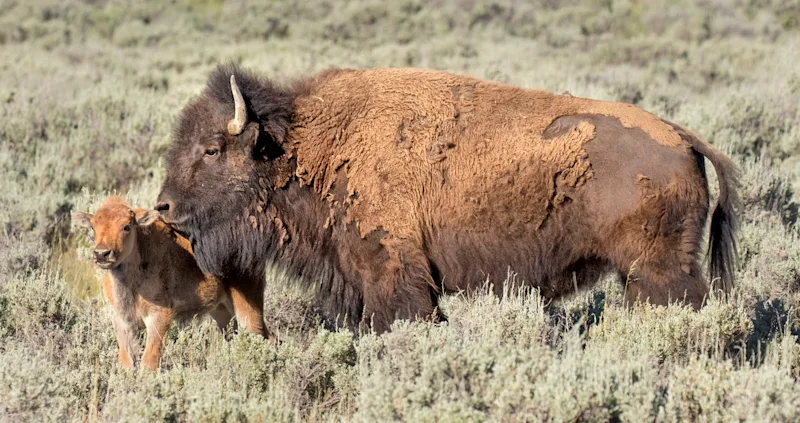
    Every Friday, we choose our favorite photo of the week from our Wildlife Photo of the Day website. This week we selected a scene from Grand Teton National Park. Photographer Steve Grodin captured this moment between a bison mother and calf (also known as a “red dog”).

  • Nature Photography

    Wildlife Photo of the Week: Devouring Leopard

    Oct 28, 2016 · Kendal Bower

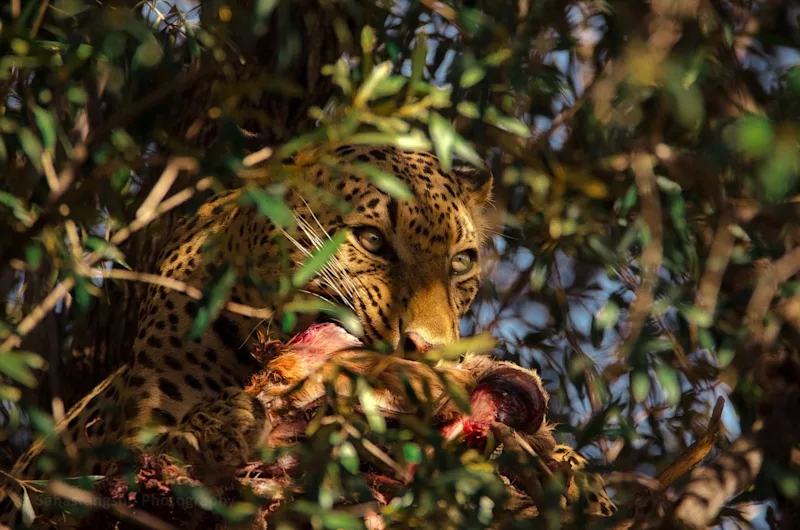
    Every Friday, we choose our favorite photo of the week from our Wildlife Photo of the Day website. This week we chose a photo from a South African game drive. Photographer Sahasrangshu Choudhury captured the moment when a leopard, deep within the branches of a tree, devoured its prey.

  • Videos

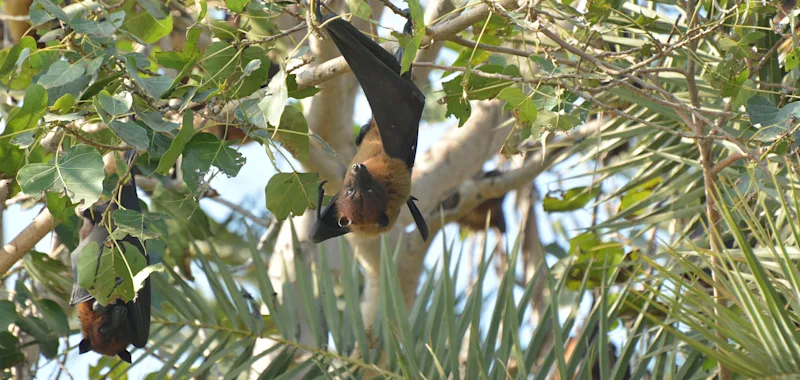
    Happy Halloween: Watch Bats Show Off a “Drive to Drink”

    Oct 27, 2016 · Candice Gaukel Andrews

    Bats and Halloween have been connected for a long time. That could be due to the work of author Bram Stoker, who in his 1897 novel Dracula wrote about a human vampire who could transform into a bat; or it may have come about naturally because bats are generally nocturnal, and three species—out of…

  • Conservation

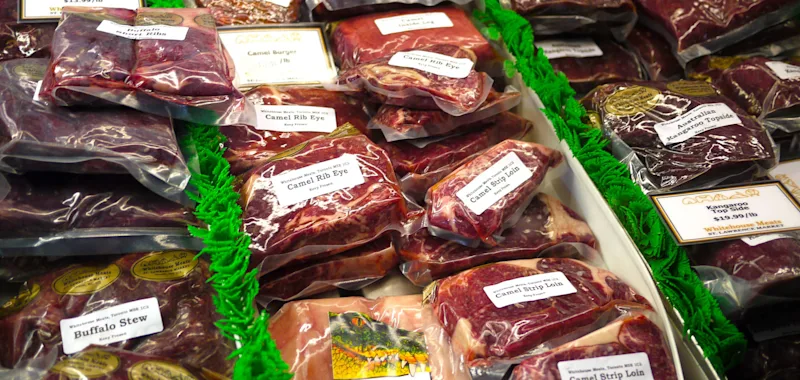
    Bushmeat and Locavores: When “Eating Locally” Goes Bad for Going Big

    Oct 25, 2016 · Candice Gaukel Andrews

    Becoming a locavore—someone who prefers to find and eat local foods—is a growing and, in most cases, healthy trend in the United States. Locavores typically forage for berries, fruits, mushrooms and nuts; and some take up hunting, deciding they prefer to eat free-range, organically grown meat.

  • Nature Photography

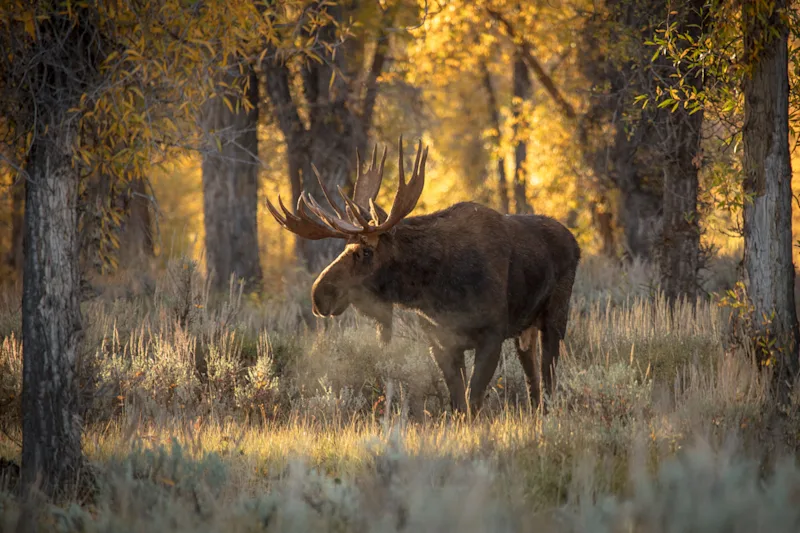
    Wildlife Photo of the Week: Early Morning Moose

    Oct 21, 2016 · Kendal Bower

    Every Friday, we choose our favorite photo of the week from our Wildlife Photo of the Day website. This week we selected a moose out at dawn. Photographer Jennifer Leigh Warner took this photo on a cold fall morning in Grand Teton National Park. Have you taken some amazing wildlife photos during your travels?
  • Nature Photography

    Wildlife Photo of the Week: Good Morning, Beautiful

    Oct 14, 2016 · Kendal Bower

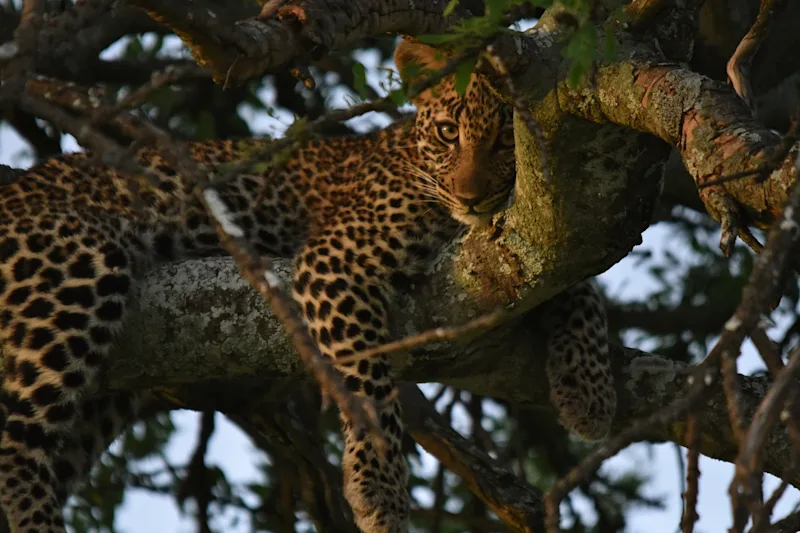
    Every Friday, we choose our favorite photo of the week from our Wildlife Photo of the Day website. This week we chose a leopard cub in Kenya. Photographer Joshua Smalley photographed the leopard on a beautiful morning in the Maasai Mara. Have you taken some amazing wildlife photos during your travels?
  • Videos

    Video: Listen to the Howls of Coyotes, the “Song Dogs”

    Oct 13, 2016 · Candice Gaukel Andrews

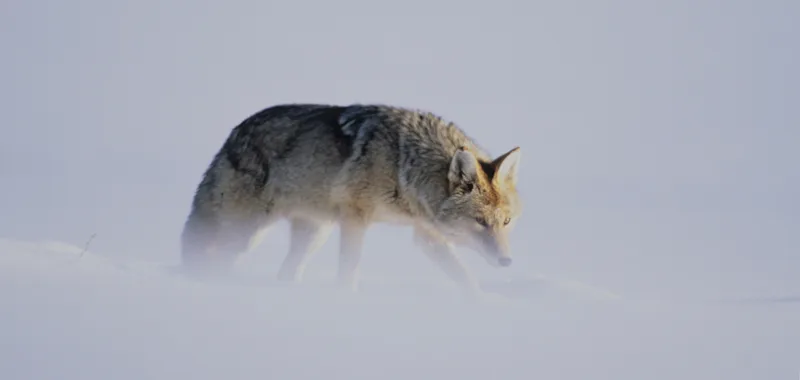
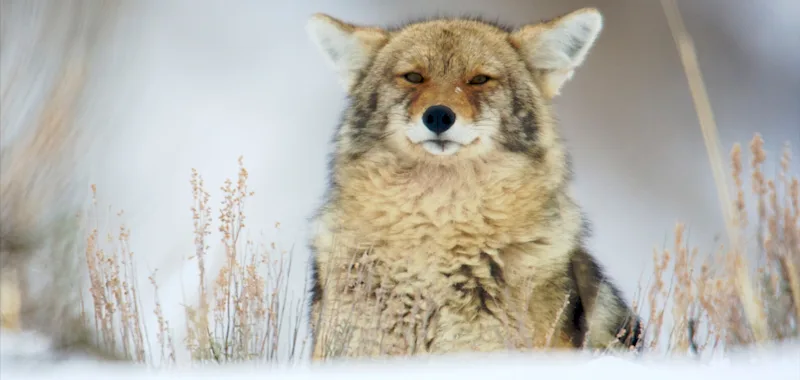
    The coyote is often described as the most vocal of North America’s mammals. While there’s a lot of overlap in the sounds that coyotes, dogs and other canid species make—from startled huffs to whines of greeting, and from antagonistic growls to barks of alarm—coyotes take “language” to whole other level.

  • News & More

    Attitudes Toward Wildlife: the Right Kind of Caring?

    Oct 11, 2016 · Candice Gaukel Andrews

    American attitudes toward wild animals are growing more positive, according to a new study published just last month in the international journal Biological Conservation. Between 1978 and 2014, our thinking about eight historically stigmatized species—including bats, coyotes, vultures, sharks and wolves—were found to be significantly more favorable. On the surface, that sounds like good news.