Good Nature Travel Blog

  • Conservation

    Together Possible: Uniting to Double the World’s Tigers

    Apr 5, 2017 · WWF

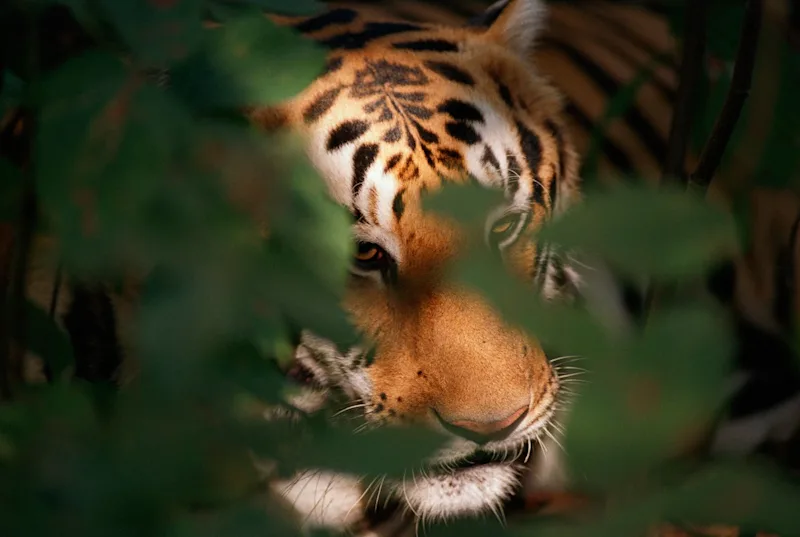
    Ninety-seven percent. In the last 100 years, tiger populations have declined that dramatically, from 100,000 to as few as 3,200 in the wild today. And it’s humans—through rampant poaching and habitat destruction—who are driving these big cats to extinction. Bringing tigers back from the brink takes commitment on a global scale.
  • U.S. National Parks

    Videos: The “Bark Rangers” of Our National Parks

    Mar 30, 2017 · Candice Gaukel Andrews

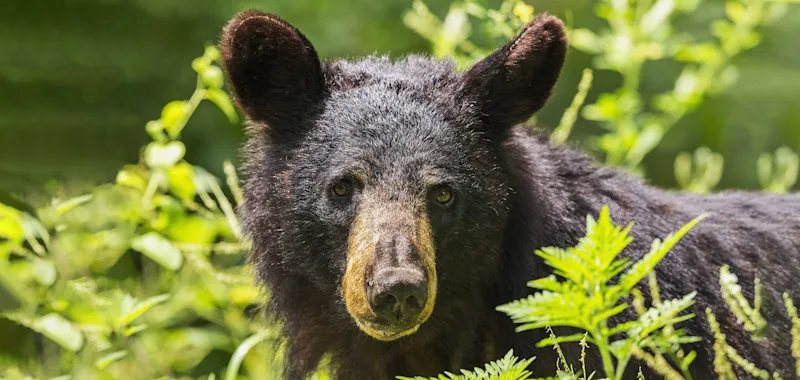
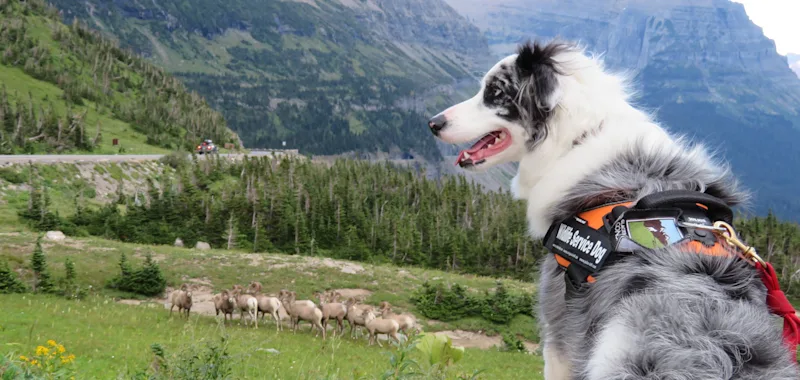
    Encounters between people and wildlife in our national parks can sometimes go wrong. That’s why the National Park Service is enlisting some very special rangers. Gracie is just one of this new “breed” of park employees. She works at Montana’s Glacier National Park, is only two years old and walks on four legs.

  • News & More

    The U.S. (and Us) Before the Environmental Protection Agency

    Mar 28, 2017 · Candice Gaukel Andrews

    As a kid, I looked forward to my weekend road trips with my big sister, who was old enough to have her driver’s license. We usually traveled along Interstate 90, up to northern Wisconsin.

  • Nature & Wildlife

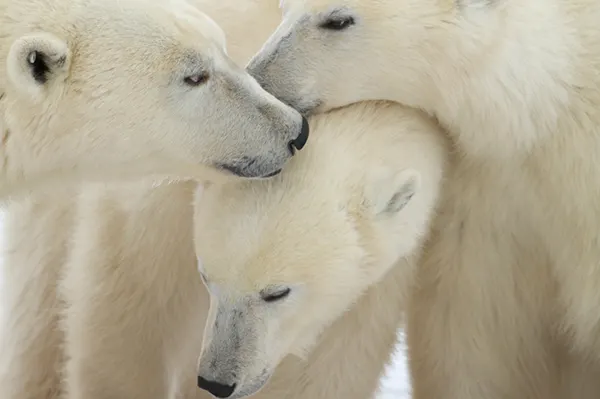
    Polar Bears — Fun Facts for Kids!

    Mar 27, 2017 · Peter Davis Krahenbuhl

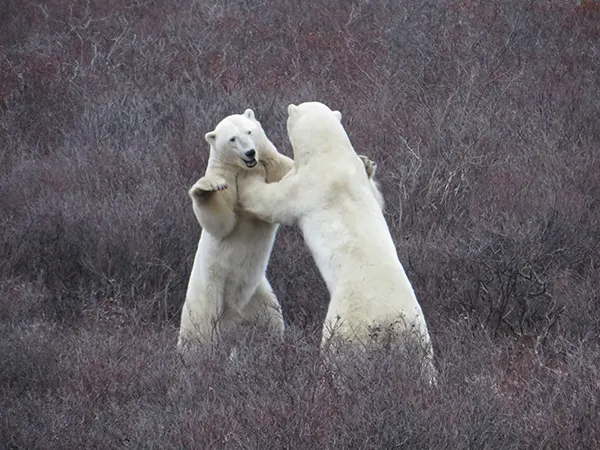
    Polar bears, the great white kings of the North, live in the colder regions of the Arctic and subarctic tundra, and they can be seen firsthand in places like Churchill, Manitoba, Canada.

  • Nature & Wildlife

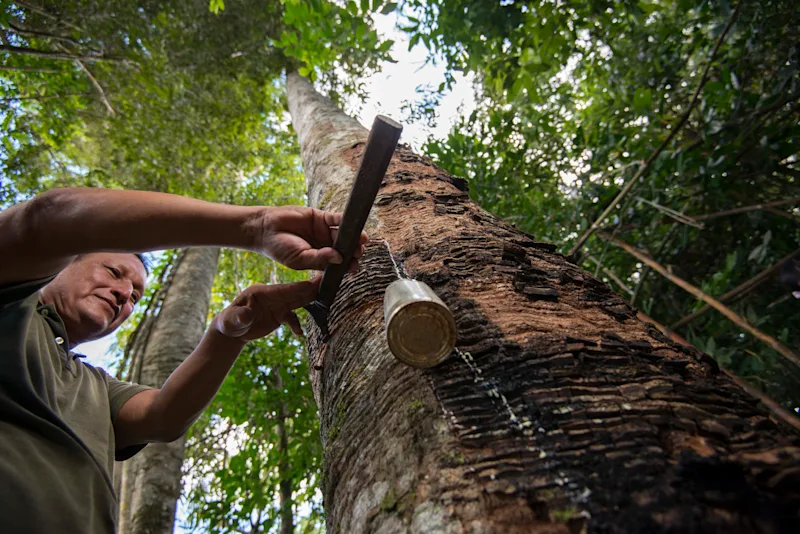
    Together Possible: Making a Difference for Peru’s Natural Treasures

    Mar 22, 2017 · WWF

    In order to protect natural places, people need to work together. No one group can solve the conservation challenges of the planet alone. Inspired by WWF’s new “Together Possible” mantra, this occasional series will take a look at innovative ways people are coming together to make a positive impact for the planet.

  • Videos

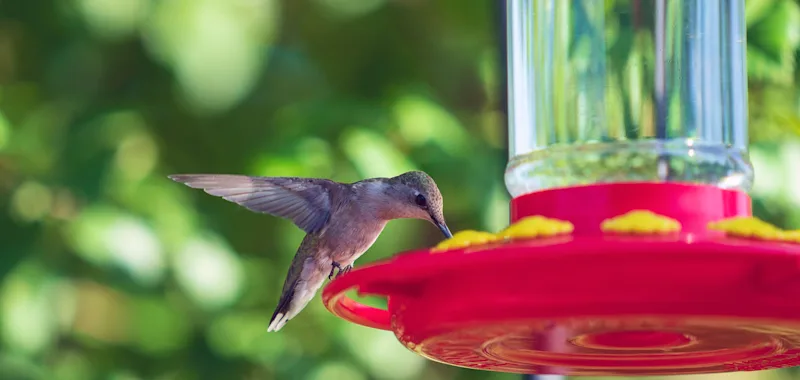
    Video: Hustle and Bustle at the Hummingbird Feeder

    Mar 16, 2017 · Candice Gaukel Andrews

    Hummingbirds may be small, but they certainly pack a lot of appeal. Iridescent, colorful and capable of helicopter-like flying maneuvers, they enchant almost everyone. Hummingbirds were given their name because their wings flap so fast (about 80 times per second) that they make a humming noise.

  • News & More

    Drones: Wildlife Difficulty or Poaching Deterrent?

    Mar 14, 2017 · Candice Gaukel Andrews

    Drones have become popular conservation tools. The Bureau of Land Management, the Department of the Interior and the U.S. Geological Survey have all used unmanned aerial vehicles (UAVs) to monitor wildlife populations or to map roads or wetlands for land management purposes.

  • Videos

    Video: Endangered Honduras Frogs Get a New Health Clinic

    Feb 16, 2017 · Candice Gaukel Andrews

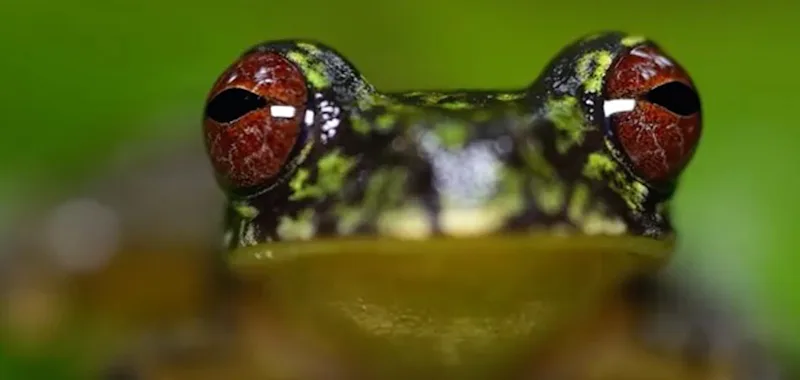
    Across the globe in the past few decades, an invasive chytrid fungus has been devastating amphibian populations. While scientists aren’t sure how the frog-killing form of Batrachochytrium dendrobatidis swept the planet, many suspect it traveled by the importing and exporting of amphibians for food or the pet trade.

  • News & More

    Warming Oceans Due to Climate Change Causing Seabird Deaths

    Feb 14, 2017 · Candice Gaukel Andrews

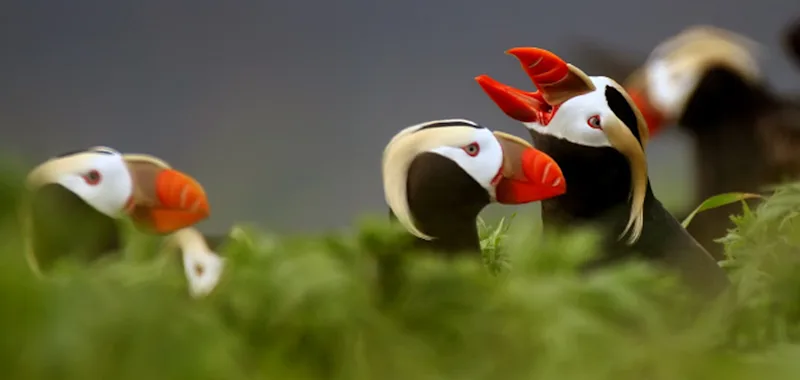
    Recently, in late 2016, hundreds of tufted puffins washed up dead on shores along the Bering Sea in Alaska. Earlier last year, tens of thousands of dead common murres were found on beaches from California to The Last Frontier state. The reason? Climate change and its resultant warming oceans.

  • Conservation

    Video: Close Encounters with Churchill’s Polar Bears

    Feb 13, 2017 · Peter Davis Krahenbuhl

    Each fall, the world’s greatest concentration of polar bears convenes at the edge of Hudson Bay in Manitoba, Canada, waiting for the sea ice to form and their seal hunting season to begin.