Good Nature Travel Blog

  • Conservation

    More Penguins—and People—in Antarctica than Previously Thought

    Apr 24, 2012 · Candice Gaukel Andrews

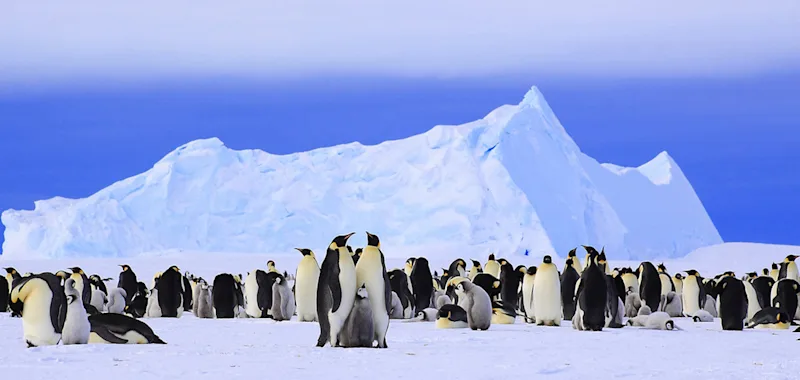
    There are twice as many emperor penguins in Antarctica than previously thought, stated the National Science Foundation in mid April. That’s certainly good news, as concerns about the effects of global warming on penguin colonies rise.
  • Conservation

    Yellowstone National Park: Global Warming’s Version of CliffsNotes

    Apr 17, 2012 · Candice Gaukel Andrews

    With piles of popular articles on the subject and decades of research behind us, you’d think we’d all be experts on global warming by now, right? But it turns out that half of the adults in the United States would probably earn an F on a pop quiz about climate change.

  • Nature & Wildlife

    The Incredible, Shrinking Wild World and Why Size Matters

    Mar 6, 2012 · Candice Gaukel Andrews

    Animals and plants are shrinking, and most scientists believe that global warming is the cause. Recently, researchers examined 85 species and found that 45 percent of them have been steadily decreasing in size from generation to generation.

  • Conservation

    Earth Hour, March 31, 2012: Give 60 Minutes for the Planet

    Feb 21, 2012 · Candice Gaukel Andrews

    It’s as simple as turning off your lights for one hour on Saturday, March 31, at 8:30 p.m., your local time. That’s it. It may be the easiest thing you’ll ever be asked to do for an environmental cause and for the natural world.

  • Nature & Wildlife

    Baffin Island’s Wandering Canadian Arctic Foxes

    Feb 14, 2012 · Candice Gaukel Andrews

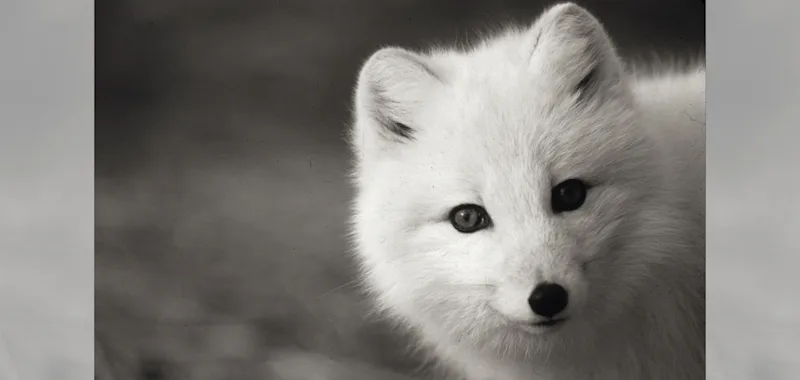
    An arctic fox off the coast of Baffin Island has recently proved that wanderlust isn’t restricted to humans. Apparently, this little canid—and some others of her kind—has a propensity for it, too. In spring 2008, Canadian biologists fitted 29 arctic foxes with tracking collars and began monitoring their movements by satellite.

  • Conservation

    Coca-Cola, WWF and NHA Join Forces to Protect Polar Bears

    Dec 7, 2011 · Wendy Redal

    Coke drinker? White is the new red – for the holidays, at any rate. If you’ve purchased Coke at your local supermarket recently, you may have discovered that there are lots of frosty white cans among the traditional Coca-Cola red.

  • Videos

    Video: A New Perspective on Earth

    Nov 24, 2011 · Candice Gaukel Andrews

    When we read about a rhinoceros species that just went extinct in Vietnam, or the plight of polar bears and how we could lose them in 40 years, or the countless other news items about continuing habitat degradation and the loss of biodiversity on Earth, well, it tends to get a little depressing.

  • Conservation

    Saving the Paper of Priceless Places

    Nov 1, 2011 · Candice Gaukel Andrews

    Saving paper is probably one of your highest tenets, as someone who considers himself or herself a “conservationist,” as most Natural Habitat Adventures travelers are. You avoid unnecessarily wasting our precious natural resources.

  • News & More

    Beyond Sustainable

    Sep 27, 2011 · Candice Gaukel Andrews

    As someone committed to going on nature adventures, you most likely try to make the least negative impact on the world that you possibly can when you travel. You choose carbon-neutral companies, try to leave no trace of your wanderings and make necessary purchases locally.

  • Conservation

    When Coal Cools: a Global Warming Enigma

    Aug 9, 2011 · Candice Gaukel Andrews

    The Dallas-Fort Worth area is currently on its 39th consecutive day of temperatures in the triple digits. The region might soon break its record of 42 consecutive days at 100 or above, set in 1980. And according to the Weather Channel, drought now affects over a million square miles of the Lower 48 states, or 32 percent.

  • Conservation

    Study: Polar Bear Cubs Drowning Due to Sea Ice Loss

    Jul 19, 2011 · Wendy Redal

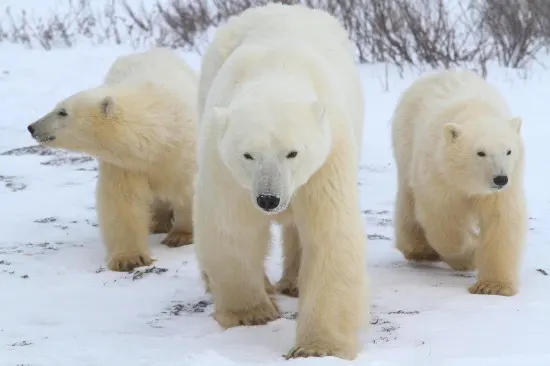
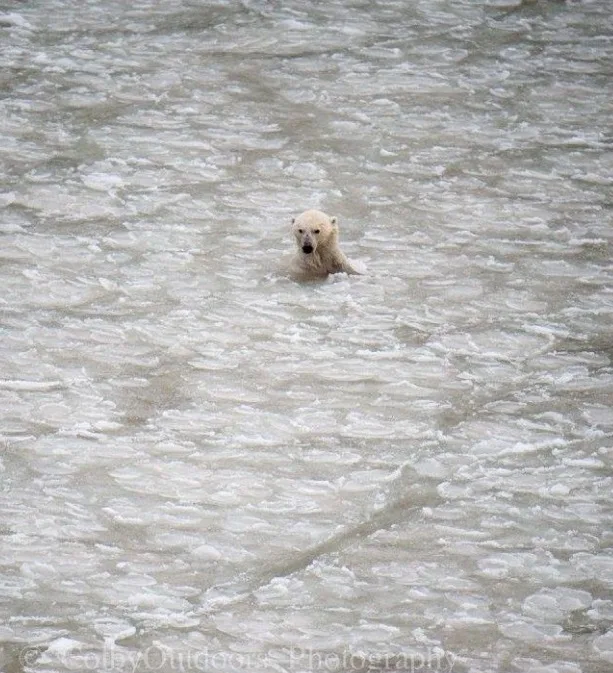
    Polar bears in peril have become an icon for the woes of a warming planet. The sea ice they rely upon to hunt seals is freezing later and breaking up earlier, while diminishing overall.