Good Nature Travel Blog

  • News & More

    As Earth’s Superpredators, Can We Change How We Use Wildlife?

    Oct 13, 2015 · Candice Gaukel Andrews

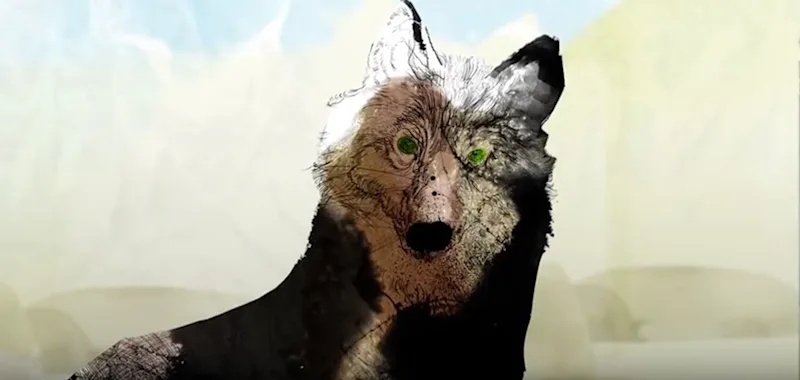
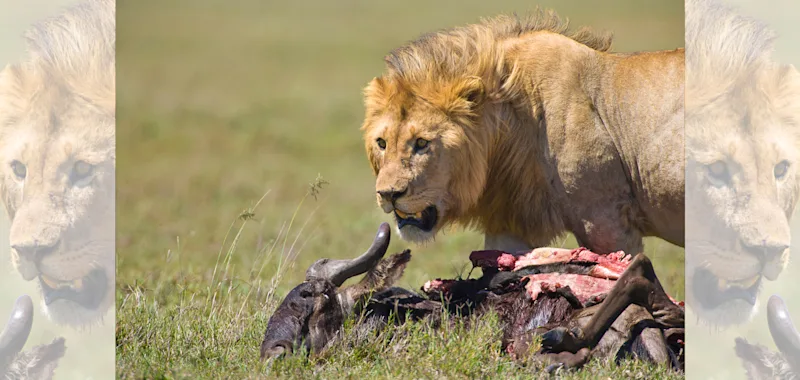
    Would you mind living next door to a top predator? It’s a question I’ve asked you before. It seems that when it comes to bears, lions or wolves, we humans, as a whole, can’t get rid of our four-footed, predatory neighbors fast enough.

  • Conservation

    Would You Pay More for Your Coffee If It Helped Birds?

    Oct 6, 2015 · Candice Gaukel Andrews

    Coffee. In my opinion—other than clean, pure water—it just may be the best drink on Earth. That’s why I celebrated last Thursday, October 1, the first official International Coffee Day, with several cups of my favorite brew.

  • Videos

    Video: Trees Have Their Own Internet, and It Works Like Ours

    Oct 1, 2015 · Candice Gaukel Andrews

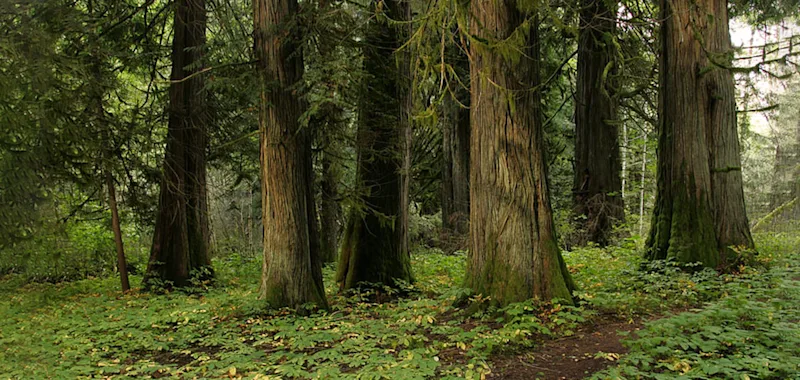
    I admit I may be what some would consider a little too woo-woo, “out there” when it comes to trees. I’ve always had a special affinity for them; I’ve even written whole books about them.

  • News & More

    Increasing Bad Behavior around Wildlife: Are More Regulations Needed?

    Sep 29, 2015 · Candice Gaukel Andrews

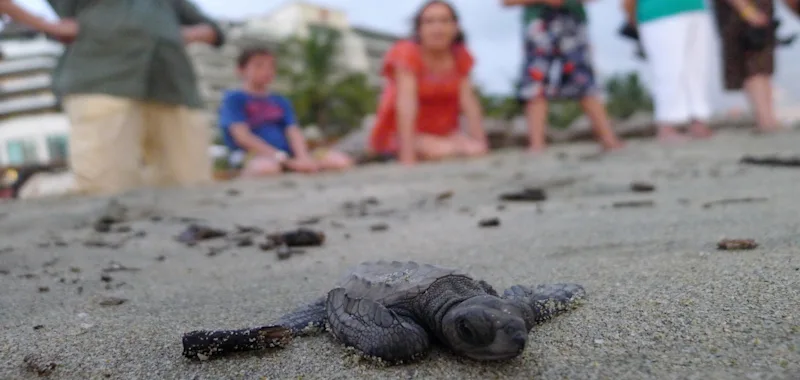
    Witnessing any of nature’s great spectacles—such as the wildebeest migration of Africa, the wintering grounds of millions of monarch butterflies in Mexico or thousands of sea turtles coming ashore from the Pacific Ocean to lay eggs—is usually described by onlookers as nothing short of “awe-inspiring.”

  • News & More

    South Korean Forest Is Cut Down for the Olympics: Is Restoration Possible?

    Sep 22, 2015 · Candice Gaukel Andrews

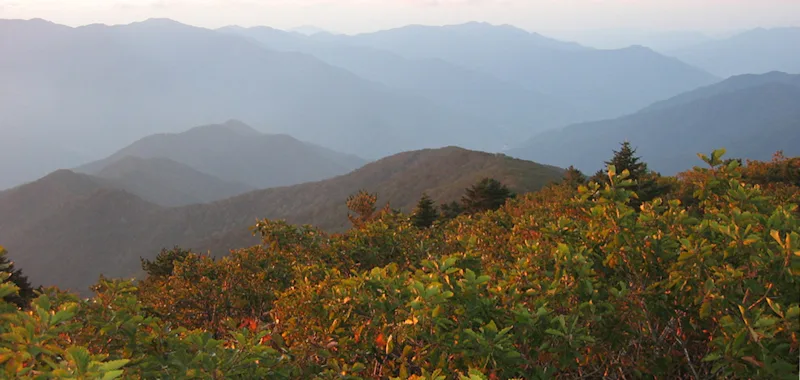
    Most of us see the benefits of the world’s Olympic Games: they are some of the very few times nations come together to showcase their most beautiful landscapes and best athletes. For the hosting cities and countries, the hope is that the events will result in economic gains through tourism, marketing and other means.

  • Videos

    Video: 20 Years after the Return of the Wolf

    Sep 17, 2015 · Candice Gaukel Andrews

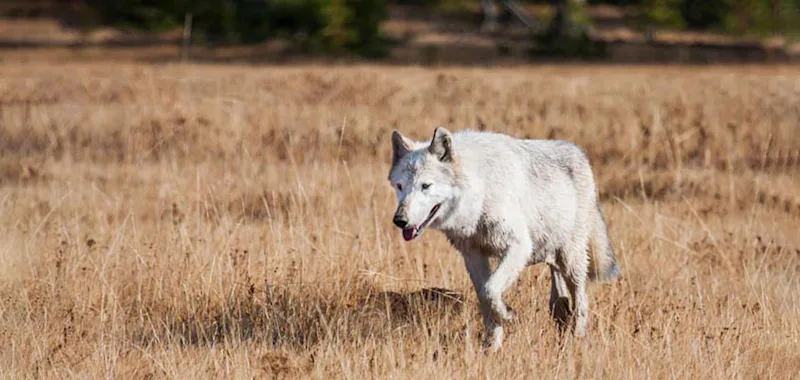
    This year, 2015, marks the 20th anniversary of the wolf’s return to Yellowstone National Park. On January 12, 1995, eight gray wolves from Alberta, Canada, were reintroduced into the park and became the first to live there since they were extirpated in 1926—an absence of 69 years.

  • News & More

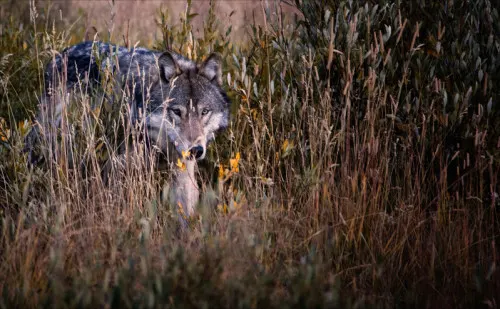
    Wolves Return to California, but for How Long?

    Aug 25, 2015 · Candice Gaukel Andrews

    After almost a century, wolves have come home to California. On August 20, 2015, the California Department of Fish and Wildlife (CDFW) announced that it had photographic evidence from a trail camera that two gray wolf adults and five pups had taken up residence in southeastern Siskiyou County in northern California.

  • African Safaris

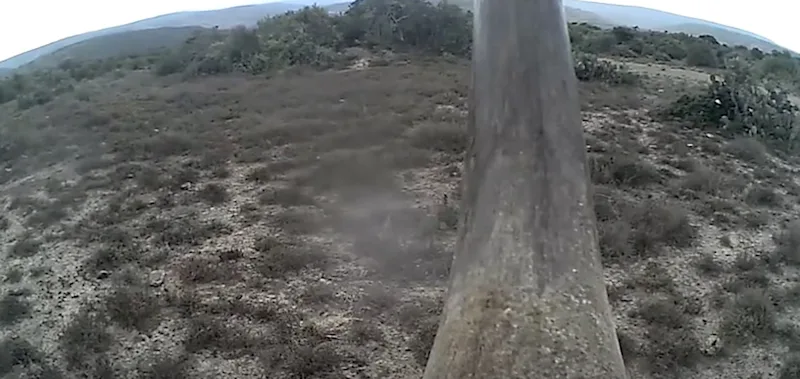
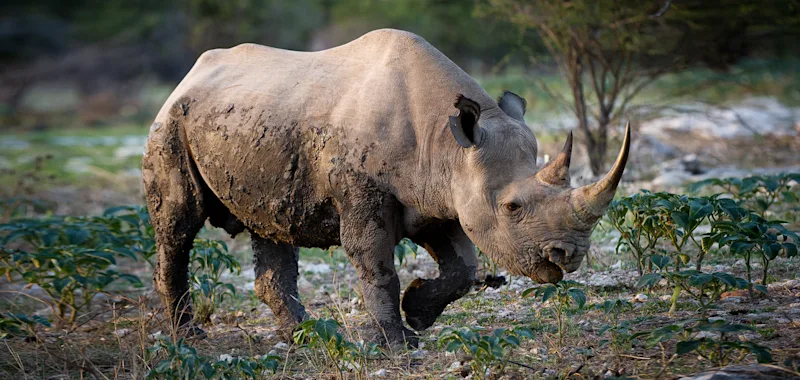
    Could Synthetic Horns Save Our Last Rhinos?

    Jul 21, 2015 · Candice Gaukel Andrews

    From making a Technicolor arm for a little girl to constructing custom pacemakers for people with damaged hearts, 3D printing has provided us with a wealth of medical aids.

  • Alaska

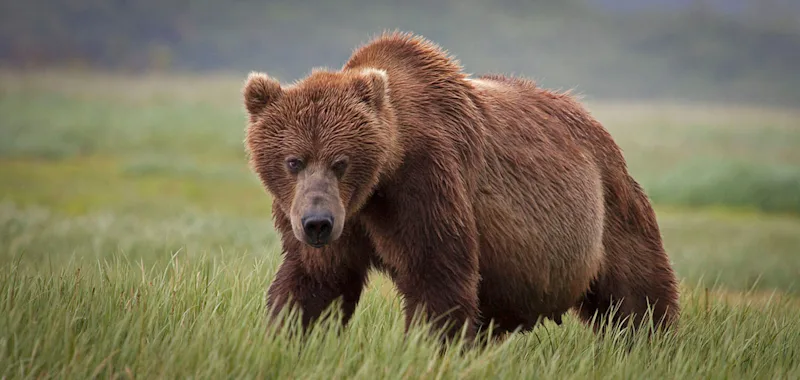
    The Coastal Grizzlies of Katmai: An Alaska Photo Journal

    Jul 16, 2015 · Candice Gaukel Andrews

    Recently, I traveled with Natural Habitat Adventures on its “Alaska Grizzly Encounter: Kodiak to Katmai.” I can now say that having the opportunity to spend time with Alaska’s big brown bears is one of the most authentic wildlife experiences any nature traveler can have.

  • Conservation

    Could Biodiversity Keep Humans Healthier?

    Jul 13, 2015 · Derek Ward

    With an increase in Lyme disease in the U.S. this spring, ecologists are searching for ways to control the spread of the disease. Recent evidence suggests that a higher biodiversity within ecosystems may in fact lower a human’s likelihood of contracting the disease, according to a recent NPR report.

  • Videos

    Video: Discovering the Unseen Natural World

    Jul 9, 2015 · Candice Gaukel Andrews

    Big, charismatic fauna and the large terrains and environments they live in—such as polar bears in the Arctic and whales in the world’s oceans—are always captivating.