Good Nature Travel Blog

3402 stories

  • Nature & Wildlife

    Bird Eyes and Dark Skies

    Feb 18, 2025 · Candice Gaukel Andrews

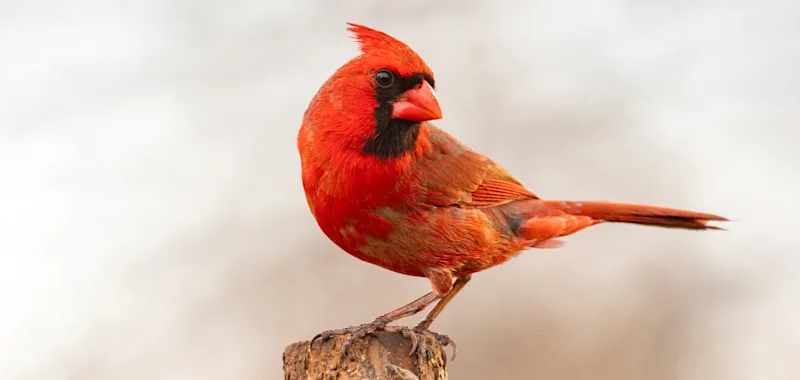
    When we misuse or overuse artificial light at night, we create nighttime light pollution, which makes it harder to see the night sky and causes negative effects on wildlife and human health. For example, sea turtle hatchlings usually wait until night to emerge from their nests to reduce exposure to daytime predators.
  • Europe

    Meet Iceland’s Magical Creatures

    Feb 13, 2025 · Laura Kiniry

    While traveling along Iceland’s South Coast, our group came upon a rocky outcrop on the side of the road. “Over there is where the elves live,” said our guide and driver Stefan Arngrímsson, pointing to the trio of large boulders.

  • African Safaris

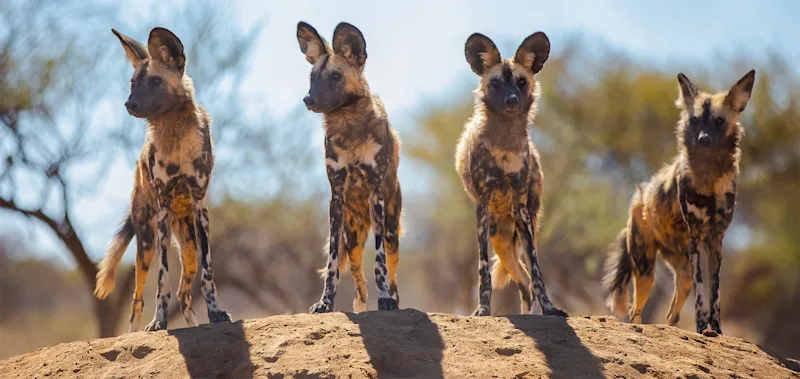
    What’s the Difference Between Hyenas and African Wild Dogs?

    Feb 12, 2025 · Laura Kiniry

    On a recent morning game drive in Botswana’s Chobe National Park, our group happened upon a pack of wild dogs. “Are those hyenas?” someone in our vehicle whispered. The resemblance was obvious. Both animals are medium-sized carnivores with patchy fur and a canine appearance.

  • Galapagos Islands

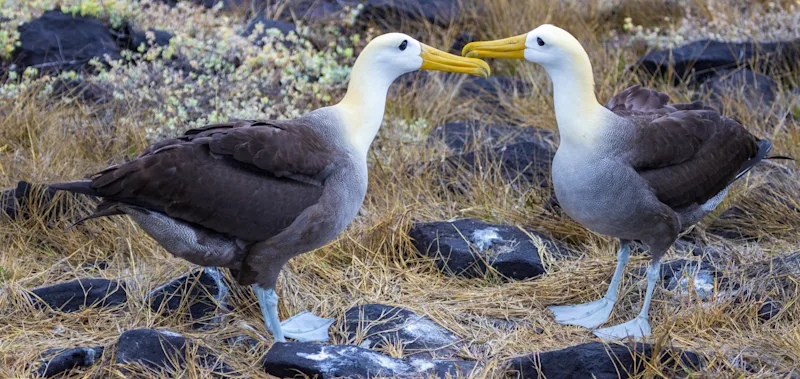
    Love Is in the Air: The Amazing Courtship Dance of the Waved Albatross (Video)

    Feb 11, 2025 · About Galapagos

    Visit the Galapagos Island of Española in April and you may experience firsthand one of the most interesting and elaborate courtship rituals in the entire animal kingdom. Each spring, tens of thousands of waved albatrosses—nearly the entire worldwide population—return to Española to find mates and breed.

  • African Safaris

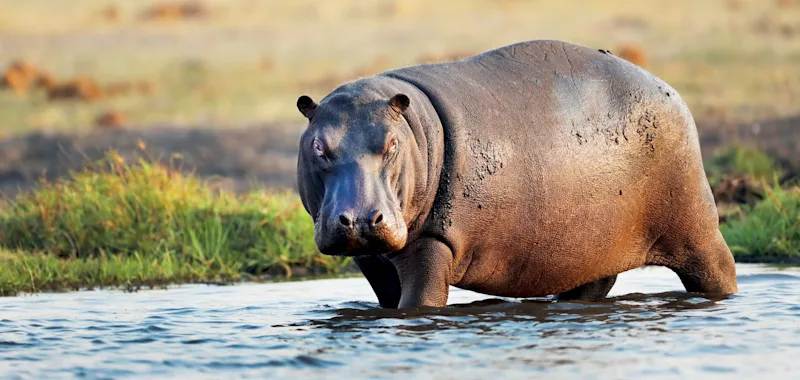
    6 Surprising Facts About Hippos in Africa

    Feb 11, 2025 · Matt Kareus

    There’s nothing common about the common hippo. Yet, compared to elephants, rhinos and the big cats of Africa, they are generally underappreciated. This is a shame, considering their declining numbers and the critical role they play in creating and maintaining healthy ecosystems.

  • News & More

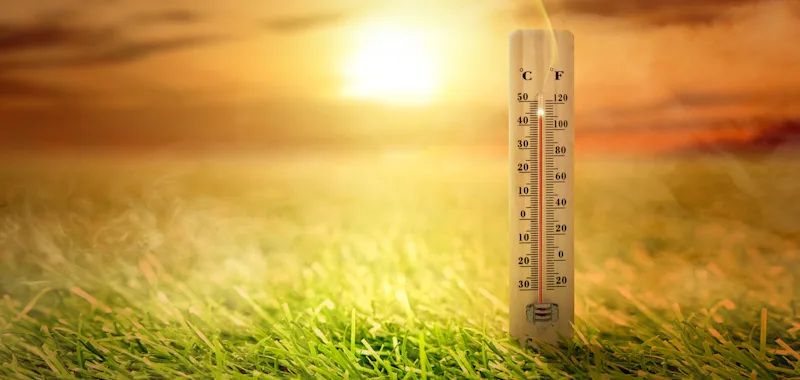
    Witnessing Climate Whiplash

    Feb 11, 2025 · Candice Gaukel Andrews

    July 22, 2024, was the hottest day on record, according to a recent NASA analysis of global daily temperature data. And 2024 has now officially taken over the title of hottest year on record from the former titleholder, 2023.

  • Travel Tales

    A Culinary Journey Around the Globe: Discover Vegetarian Dishes, Indigenous Traditions & Food Sustainability

    Feb 10, 2025 · Emily Goodheart

    From Europe’s alpine meadows to Africa’s savannas, from the Amazon Rainforest to the icebound Arctic, every region on Earth brims with unique flavors that reflect its history, climate and culture. As conservation travelers, we also discover that food can unite sustainability and tradition—honoring local agricultural practices, Indigenous knowledge and our planet’s natural balance.

  • Nature & Wildlife

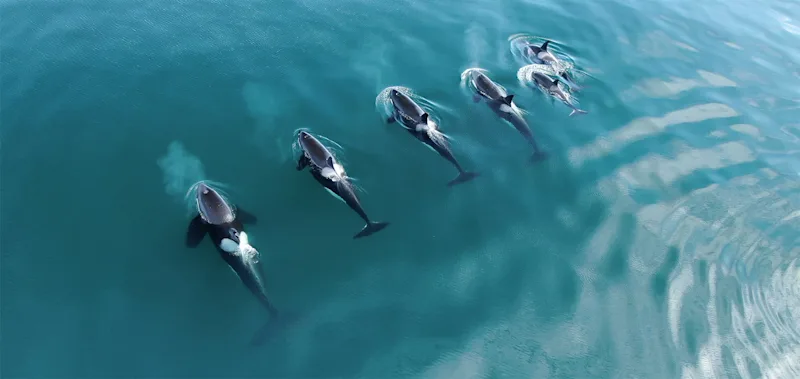
    10 Top Spots for Viewing Orcas in their Natural Habitats

    Feb 4, 2025 · Rebecca Self

    Orcas (Orcinus orca) are among the ocean’s most intelligent and enigmatic predators. As the largest members of the dolphin family, they are a blend of power, agility and intricate social intelligence.

  • Canada & the North

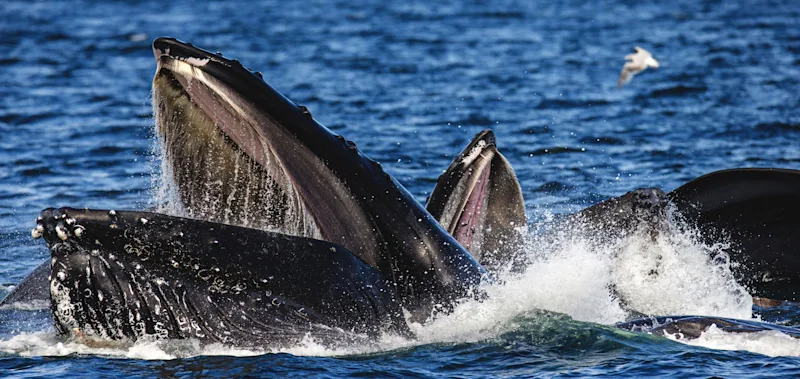
    Fascinating Wildlife Facts: 5 Humpback Whale Feeding Strategies

    Feb 4, 2025 · Natural Habitat Adventures

    By Nat Hab Expedition Leader Eddy Savage Humpback whales are among the most widespread and successful cetaceans inhabiting Earth’s oceans. These baleen whales lack teeth, possessing instead dozens of rows of keratin protein aligned in fibrous plates along the roofs of their mouths. Humpbacks have between 270 and 400 baleen plates.

  • Conservation

    Social Media: Selfie Searches and Nature Successes

    Feb 4, 2025 · Candice Gaukel Andrews

    The ubiquitous social media in our lives has its benefits, including allowing us to interact quickly with our loved ones, network with our colleagues and share information almost instantaneously.

  • Conservation

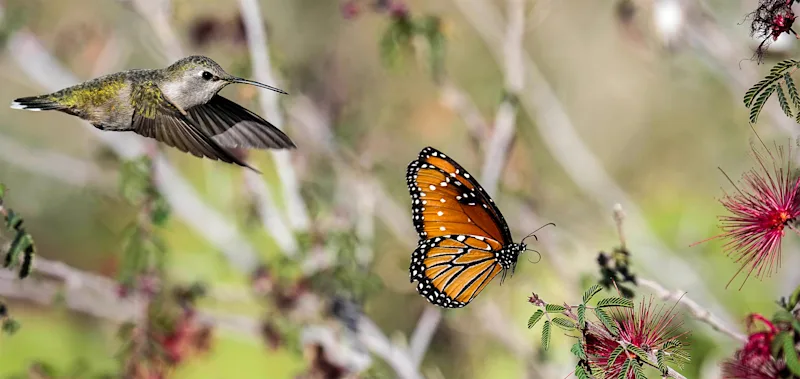
    Pollinators in Paradise: Discover 9 Overwintering Destinations

    Feb 3, 2025 · Rebecca Self

    Pollinators are nature’s essential workers, ensuring the survival of countless plants and animals while supporting food systems. Nearly 90% of wild flowering plants and 75% of global crops rely on pollinators for reproduction.