Good Nature Travel Blog

  • Travel Tips

    Saving Places Never Seen

    Mar 29, 2011 · Candice Gaukel Andrews

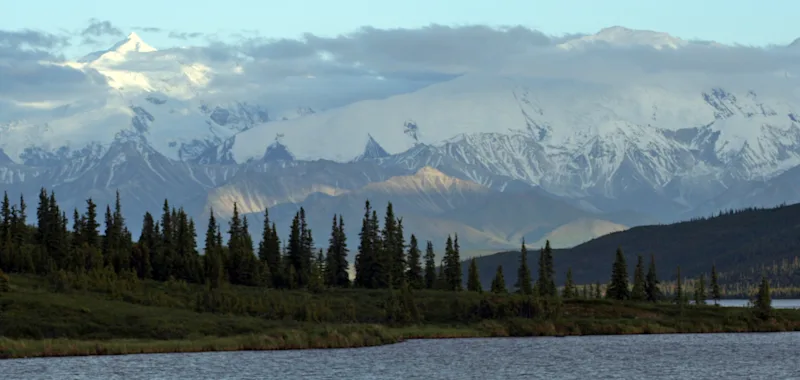
    I still vividly recall the dream, even though I couldn’t have been more than six or seven years old when I had it. I was flying, low—without a plane, mind you—over Alaska. I soared above waving fields of purple flowers and gurgling, ribbon-like, blue rivers.
  • Nature & Wildlife

    The Problem with Being Popular

    Mar 22, 2011 · Candice Gaukel Andrews

    Like all traipsers through woods and walkers of rivers, I have a few, favorite “secret places.” I could go on and on about their beauty, about what makes them so different from any other location on Earth, about the feelings they elicit from deep down in my core.

  • Videos

    Video: When a Leopard Seal Serves You Lunch

    Mar 17, 2011 · Candice Gaukel Andrews

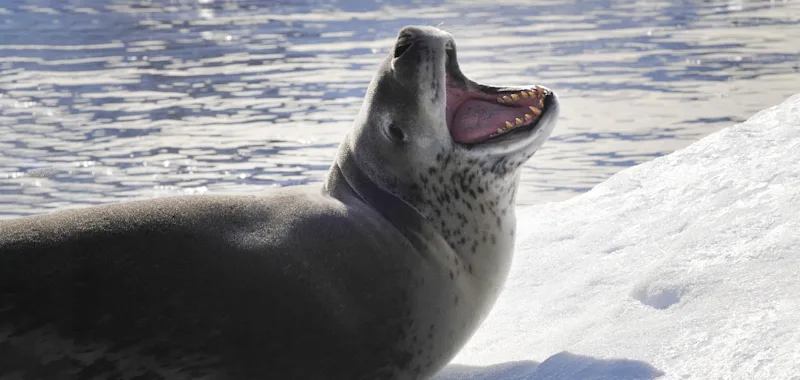
    When National Geographic photographer Paul Nicklen jumped in the waters off Antarctica to photograph a leopard seal, he never expected her to play the perfect host—and offer him a snack. The huge seal began to bring him food: live penguins. When he didn’t partake, she brought him different fare—weak and dead ones.

  • News & More

    The Open End of Adventure

    Mar 15, 2011 · Candice Gaukel Andrews

    When Amelia Earhart and her navigator, Fred Noonan, stepped into her twin-engine plane in Miami on June 1, 1937, they were embarking on an adventure of a grand sort. The two hoped to fly around the world, following the Equator.

  • Nature & Wildlife

    Blaming Animals for Our Bad Behavior

    Mar 8, 2011 · Candice Gaukel Andrews

    There are many Native American stories regarding the stunning red, orange and white hoodoos in Utah’s Bryce Canyon National Park. The Paiute Indians call the park Unka-timpe-wa-wince-pockich—which means “red rocks standing like men in a bowl-shaped canyon.”

  • News & More

    Choosing the Sea

    Mar 1, 2011 · Candice Gaukel Andrews

    Two very old whales are telling us a fascinating story. They are fossils—a male and a pregnant female—that were discovered in Pakistan in 2000 and 2004. Researchers say that these 47.5-million-year-old cetaceans are beginning to reveal that, without a doubt, our modern whales originated from terrestrial ancestors.

  • Conservation

    The Species Numbers Game

    Feb 22, 2011 · Candice Gaukel Andrews

    When it comes to environmental and wildlife issues, it seems that the more alarming the statistics are, the more likely it is that they will command our attention and move us into action.

  • News & More

    Adventure in the DNA

    Feb 15, 2011 · Candice Gaukel Andrews

    If you’re a fan of forensic TV programs—such as Bones, Dexter, Fringe or one of the several CSI series—you can’t help but be familiar with the many ways DNA testing may be put to use: to gather evidence at crime scenes, determine family relationships or prove the recent whereabouts of a missing person, among others.

  • Conservation

    It’s Raining Birds

    Feb 8, 2011 · Candice Gaukel Andrews

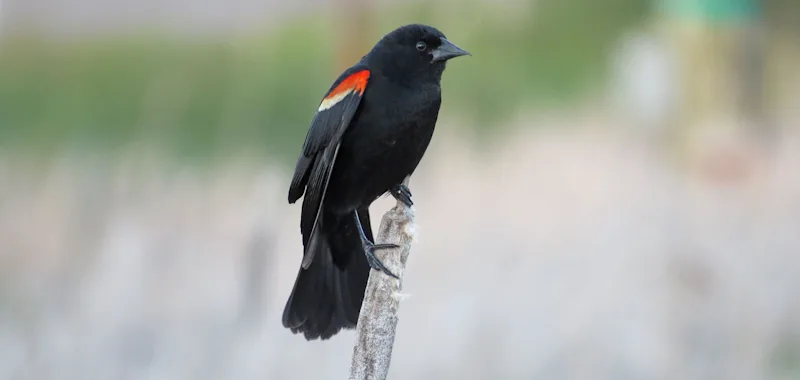
    Instead of waking to falling snow as many of us did on New Year’s Day 2011, people in Beebe, Arkansas, rose to find thousands of birds—grackles, starlings and red-winged blackbirds—falling from the sky, dead. An aerial photo revealed that the carcasses fell within a one-mile stretch of Beebe.

  • Videos

    The Canine Connection

    Feb 3, 2011 · Candice Gaukel Andrews

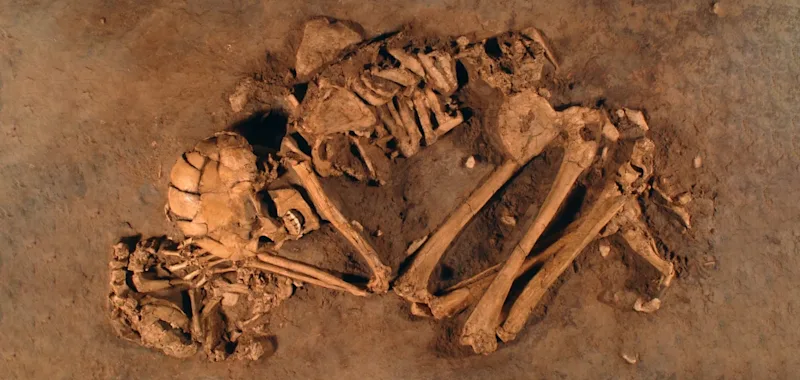
    About 14,000 years ago in what today is the country of Israel, hunter-gatherers buried a body with its hand holding a pup. It’s not known whether the animal was a dog or a wolf. But it is believed to be one of the earliest pieces of evidence regarding the dog’s domestication.

  • Conservation

    Levels of Uncertainty

    Feb 1, 2011 · Candice Gaukel Andrews

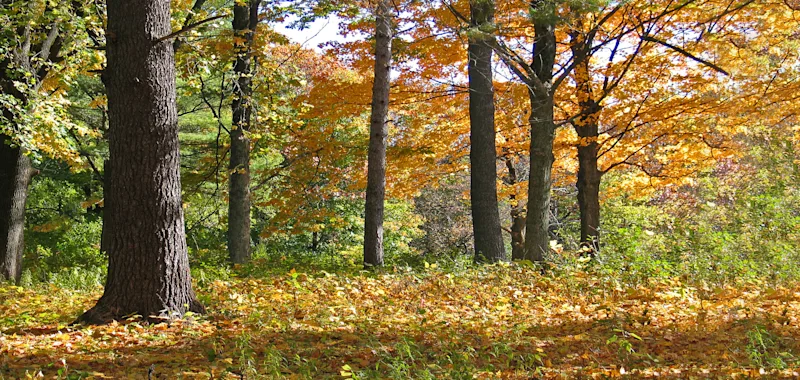
    “I’ll never, ever go on a field trip again,” wailed the little boy ahead of me. It was in the afternoon on one of those golden fall days in Wisconsin when the trees splash brilliant oranges and yellows over the landscape.

  • Nature & Wildlife

    Churchill: Home of the Pizzly?

    Jan 25, 2011 · Candice Gaukel Andrews

    As the Arctic continues to warm, it comes as no surprise that cold-adapted species, such as polar bears, are moving north in an effort to survive, while those that favor more moderate temperatures are expanding into regions that have now become hospitable habitats for them.