Good Nature Travel Blog

  • Conservation

    Losing Wildlife Hurts Biodiversity—and Our Bottom Lines

    Aug 1, 2017 · Candice Gaukel Andrews

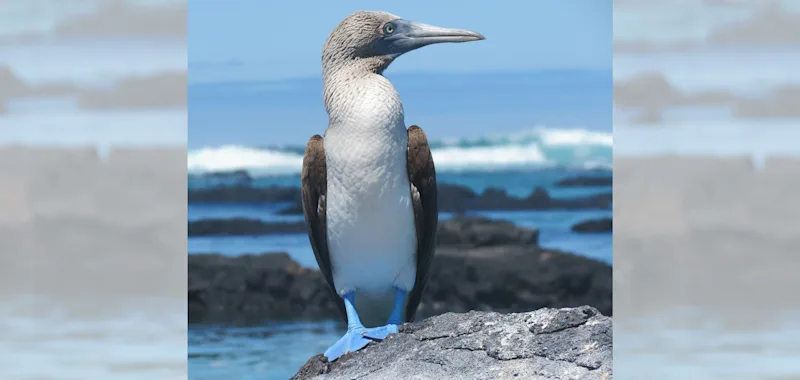
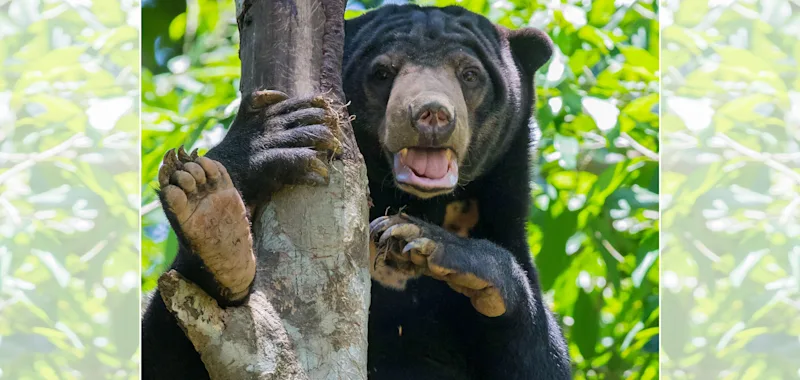
    Wildlife tourism—tourism specifically based on encounters with undomesticated animals—accounts for 20 to 40 percent of the total $1 trillion annual, global tourism industry. This comes from a paper published in late 2015 in the peer-reviewed, science journal PLOS ONE. The paper further states that wildlife tourism is the leading foreign-exchange earner in several countries.
  • Nature & Wildlife

    Wildlife Photos: Borneo’s Up-Close Encounters

    Jul 26, 2017 · WWF

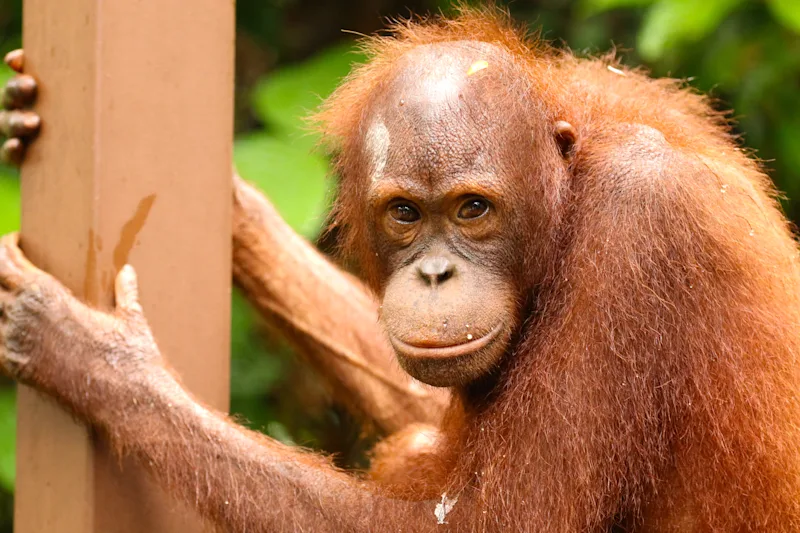
    WWF’s Kelley Ashford captured these wildlife photos within the world’s tallest rain forest during her Borneo Adventure with Natural Habitat Adventures.

  • Conservation

    10 Travel Tips that Are Good for Conservation

    Jun 28, 2017 · Elissa Poma

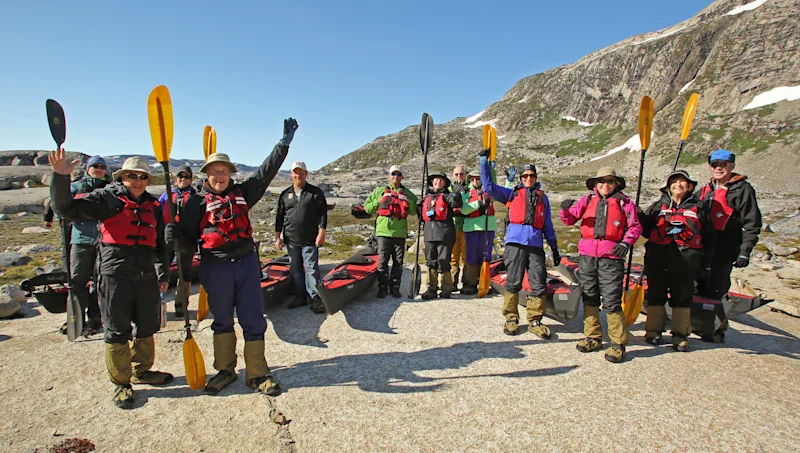
    They criss-cross the globe in an effort to protect the planet’s wild places, so WWF staffers know how to travel responsibly. Here are 10 conservation-minded travel tips from members of our team. “Keep your boots clean!

  • Travel Tales

    Where We’ve Been, Where We’re Going: Matt Erke

    Jun 21, 2017 · WWF

    Matt Erke serves as an Program Officer for WWF’s Forest Program. Matt tells about how travel opened his eyes to the incredible beauty and power of nature. 1. How did you catch the travel bug?

  • News & More

    Quickly Losing Protections: Our Birds, Lands and Oceans

    Jun 20, 2017 · Candice Gaukel Andrews

    One hundred and eleven years ago, the American Antiquities Act of 1906 was passed. It authorizes the president to designate federally managed lands as national monuments in order to conserve important archaeological, historic and scientific sites.

  • Travel Tales

    Encountering Lions in Botswana on my First Trip to Africa

    May 24, 2017 · WWF

    Like many people I have always dreamt of traveling to Africa. After spending the last 15 years working in international development and conservation, I’ve had the wonderful opportunities to travel extensively in the Americas and in Asia, but never to Africa.

  • News & More

    “Going Rogue” for the National Park Service, Science and Trees

    May 16, 2017 · Candice Gaukel Andrews

    Going rogue. Since 1835, that phrase has been used to describe elephants that exhibit violent behavior, whether through injury or from being separated from their herd. Decades later, when applied to humans, the term came to denote conduct that was erratic or dangerous.

  • Nature & Wildlife

    Botswana Safari Surprises Travelers with Rare Leopard Sighting

    Apr 26, 2017 · WWF

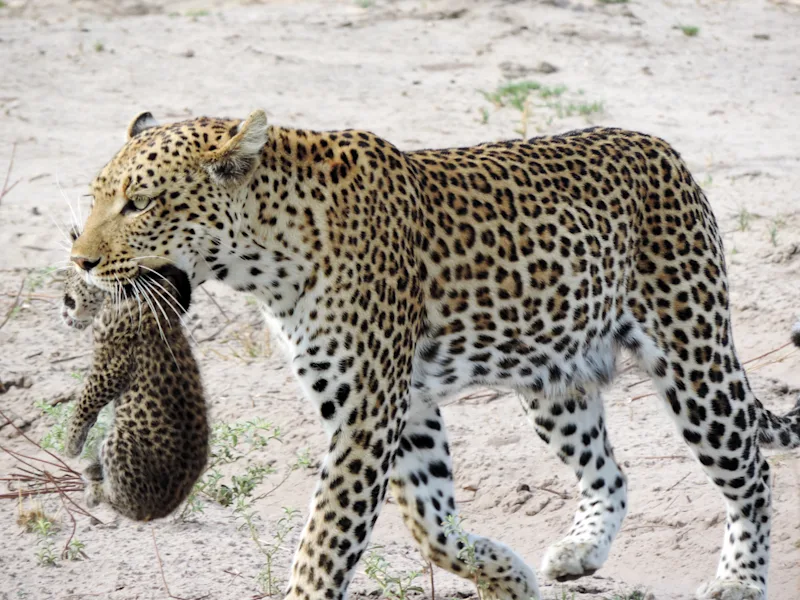
    WWF Senior Writer, Deborah Ackerman had a rare and thrilling sight while accompanying a Nat Hab trip through Botswana: a mother leopard carrying her newborn cubs across the KAZA landscape during green season—the time of year when most animals in Botswana’s Okavango Delta give birth.

  • Conservation

    Fishing for Trash: How Travel Keeps Galapagos National Park Pristine

    Apr 22, 2017 · WWF

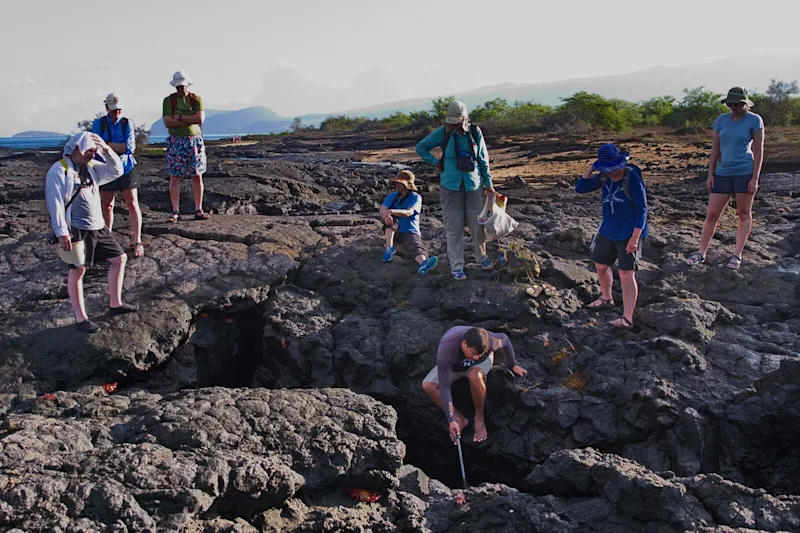
    In a place as remote as the Galapagos Islands, I expected to encounter a pristine wild habitat, nearly unspoiled by human activity. I was rewarded with such an experience, snorkeling with dozens of sea turtles in Tagus Cove and hiking among volcanic tuff cones on Isabela Island.

  • Nature & Wildlife

    Disneynature’s New “Born in China” Film Supports WWF

    Apr 20, 2017 · Wendy Redal

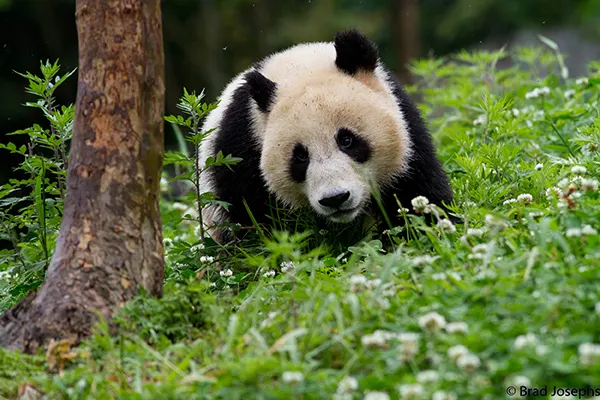
    When I arrived in China for the first time, I thought I was prepared for how urbanized, westernized and wealthy the country would be. But I wasn’t. Driving in from the airport in Beijing, luxury sedans were flying past us on the 10-lane expressway into the heart of the giant metropolis.

  • Nature & Wildlife

    What’s in your camera bag: Yellowstone Photography

    Apr 19, 2017 · WWF

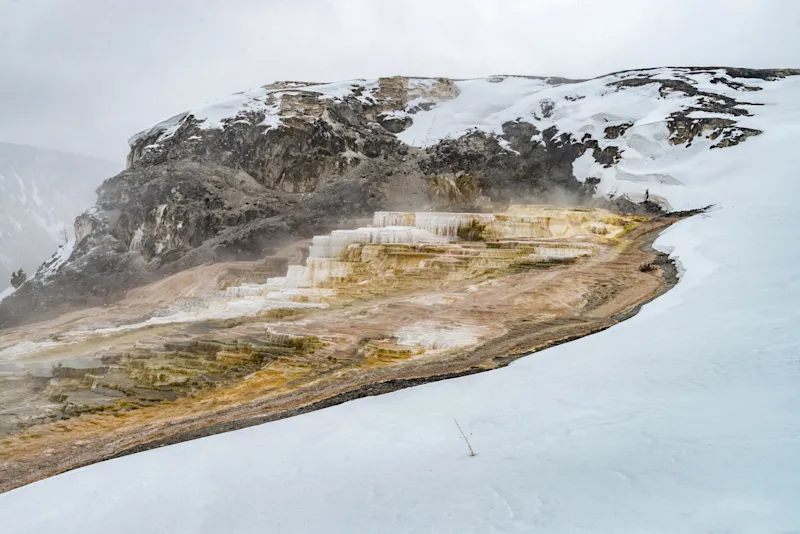
    WWF’s Mac Mirabile recently traveled through Yellowstone on our Yellowstone Wolf Quest & Photo Adventure. He shares with us what he packed in his camera bag: Think Tank Street Walker Hard Drive Camera Bag – This bag held 20 lbs. of camera equipment and an additional 12 lbs. from the tripod, gimbal head, and laptop.

  • Conservation

    Development Threatens Nearly Half of All Natural World Heritage Sites

    Apr 18, 2017 · Candice Gaukel Andrews

    The Belize Barrier Reef Reserve System. The Galapagos Islands of Ecuador. Grand Canyon National Park in Arizona. These are just three of the 238 natural and mixed (cultural and natural) sites designated as World Heritage by UNESCO, the United Nations Educational, Scientific and Cultural Organization. And all three are threatened by human development.