Good Nature Travel Blog

  • Videos

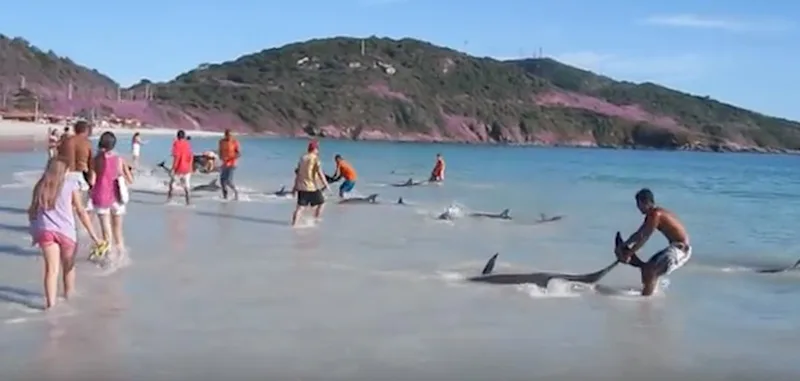
    Beached Dolphins Rescued

    Mar 29, 2012 · Candice Gaukel Andrews

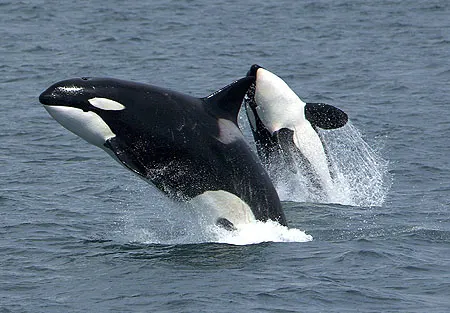
    When a single whale or dolphin strands itself on a beach, it is usually very sick. When those animals strand themselves in groups, however, other, unknown factors are probably at play. There are several theories as to why groups of whales will sometimes swim onto beaches around the world.
  • Travel Tips

    Eating Traditionally, or Eating Touristy?

    Nov 22, 2011 · Candice Gaukel Andrews

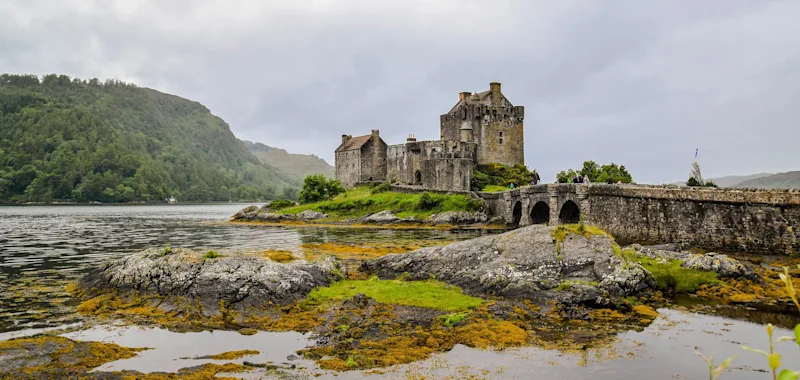
    Part of the pleasure of visiting new places is learning about local customs and tasting homegrown foods. Who hasn’t at least wanted to try haggis in Scotland, say, or “cod cheeks” in Newfoundland? It’s a way of immersing yourself in all that an adventure in a new land has to offer.

  • Videos

    Video: Thank-You Note from a Whale

    Jul 21, 2011 · Candice Gaukel Andrews

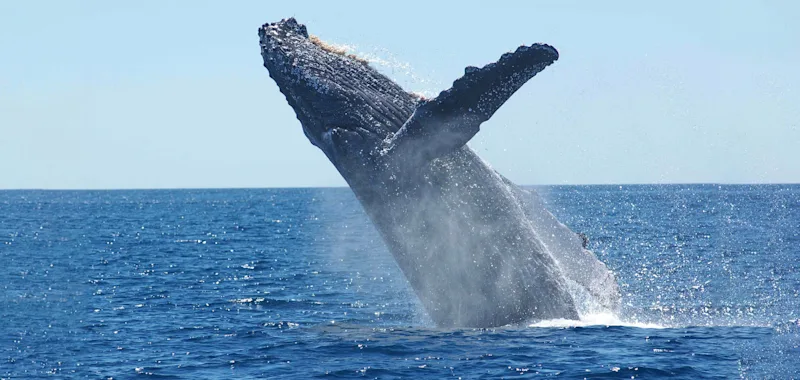
    When going out into the Sea of Cortez, California, with the intended purpose of doing some whale watching, it’s probably not all that unusual to actually come across some whales. However, finding a dead humpback is rarely in the plan.

  • Nature & Wildlife

    Close Encounters With Whales: Part II

    May 19, 2011 · Wendy Redal

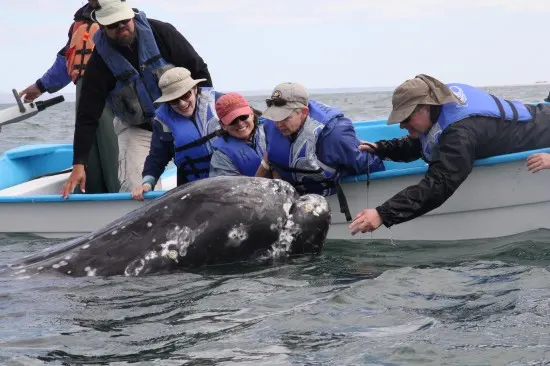
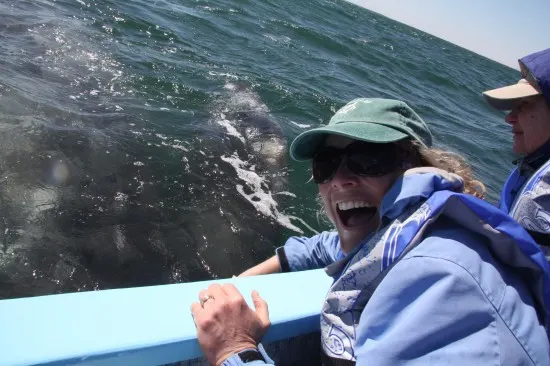
    On May 10, Part I of this two-part post appeared in Good Nature: Save the Whales and Save a Community at the Same Time. Now, rejoin our small group for the story of why two women from Santa Fe keep coming back nearly every year to spend time with the gray whales of Baja.

  • Nature & Wildlife

    Close Encounters with Whales: Part I

    May 10, 2011 · Wendy Redal

    The Pacific Gray Whale undertakes the world’s longest mammal migration, traveling an average of 10,000 to 14,000 miles on its annual journey from northwest Alaska to the breeding and calving lagoons of Baja California.

  • Nature & Wildlife

    Six Wondrous Places to Watch Whales

    May 27, 2010 · Wendy Redal

    One of the most amazing migrations on earth is taking place right now, as 20,000 gray whales make their way along the Pacific Coast of North America from Baja to their summer feeding grounds in the Bering Sea – a one-way journey of 6,000 miles!

  • Conservation

    100 Amazing Places to Protect

    Apr 12, 2010 · Wendy Redal

    Well, if you guessed that you could see them all with Natural Habitat Expeditions, you’d be right, but that’s ultimately not the most important trait they share. These wild animals, along with a host of geological and cultural features that comprise some of Earth’s most distinctive places, are facing dramatic impacts from climate change.