Good Nature Travel Blog

  • Videos

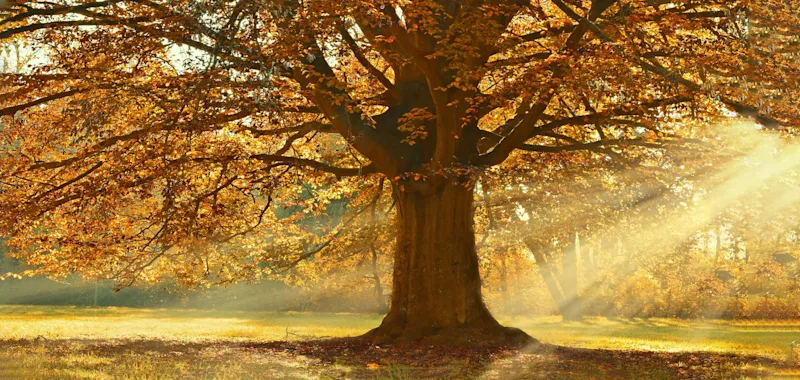
    Video: Spend a Year in the Forest in Three Minutes

    Sep 4, 2014 · Candice Gaukel Andrews

    Forests are important for our welfare for a very long list of reasons, a few of which are: • they provide us with medicines; • they manufacture breathable air: just one adult, leafy tree can produce as much oxygen in a season as 10 people inhale in a year; • they fight flooding; •…
  • News & More

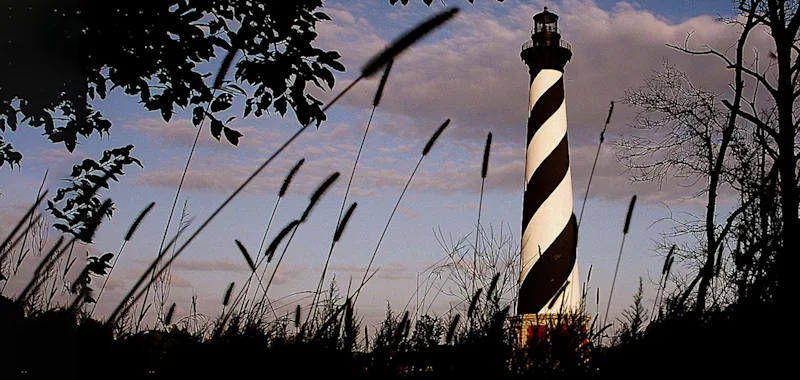
    Are We Now Losing Our Most Iconic Buildings Due to Climate Change?

    Jul 8, 2014 · Candice Gaukel Andrews

    “Extinction tourism” is a familiar term when it comes to wildlife and natural habitats: it’s described as a desire to see the animals and landscapes that are just managing to hang on before they’re gone.

  • Canada & the North

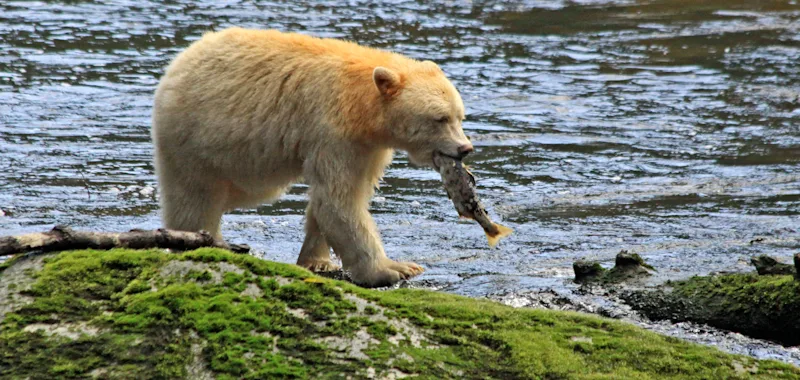
    Study: Tourism Helps Protect Canada’s Spirit Bear

    Mar 26, 2014 · Tania Curry

    Bear-viewing tours bring in 12 times more money than hunting in western Canada, according to a new study. As many nations in Africa and around the world have learned, protecting wildlife and inviting travelers to come see them is far more profitable than hunting those animals.

  • Conservation

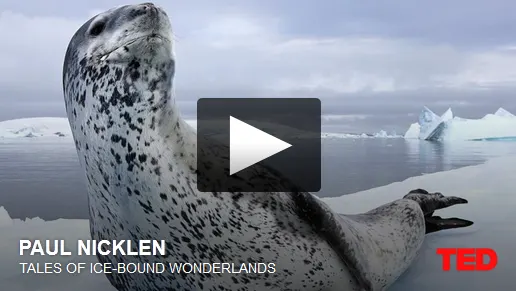
    Tales of Ice-Bound Wonderlands – A Ted Talk by Paul Nicklen

    Sep 3, 2013 · Emily Deemer

    Alaskan glaciers, icebergs in Antarctica, the chilling Beaufort Sea – these polar wonderlands are the worldwide offices of Paul Nicklen, acclaimed wildlife photographer for National Geographic. Spirit bears, leopard seals, polar bears, penguins – these are his co-workers.

  • Conservation

    White Lions, White Tigers, White Bears – Oh My!

    Sep 20, 2010 · Wendy Redal

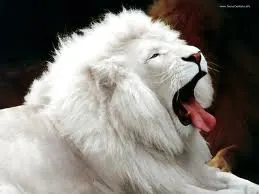
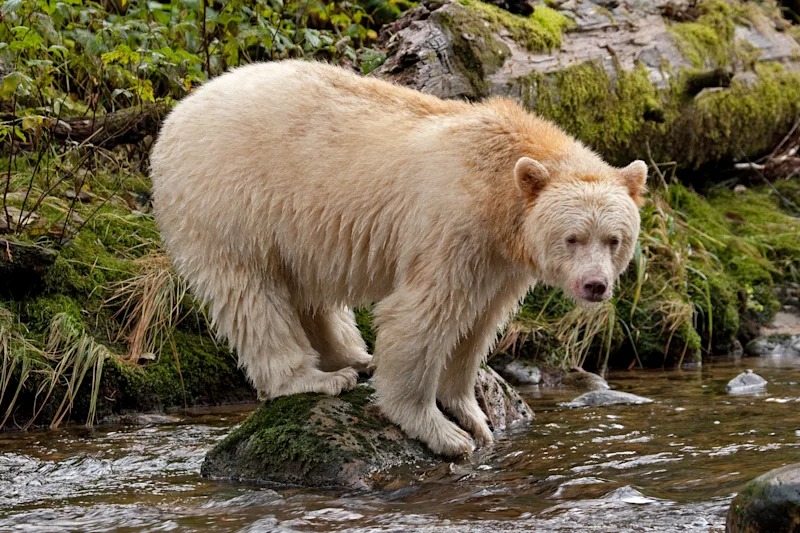
    Ever seen a white tiger? How about a white lion? Like the creamy Spirit Bear of Canada’s west coast, white lions are not albinos but unusual genetic anomalies. They’re extinct in the wild, but one non-profit conservation group is trying to bring them back.

  • Nature & Wildlife

    Finding the True Spirit of Nature Travel

    Oct 5, 2009 · Candice Gaukel Andrews

    It almost sounds mythical. But there’s truly a place on the far western edge of our continent where a rare animal—a white black bear—can still hunt, fish, gather berries and raise cubs unbothered by humans. There are no roads here, no cut trails, few settlements and even fewer trappings of civilization.