Good Nature Travel Blog

  • Travel Tips

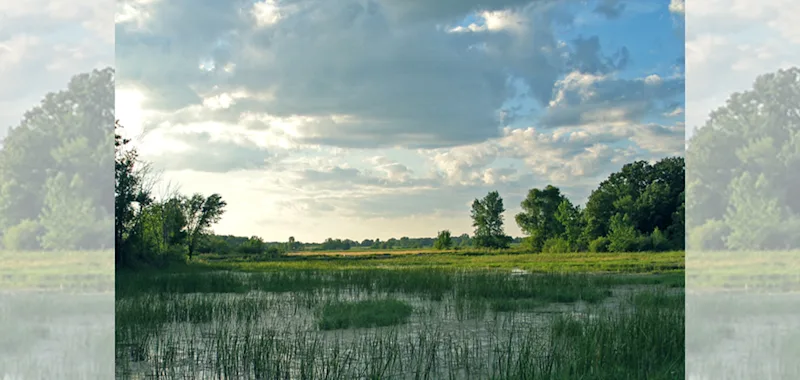
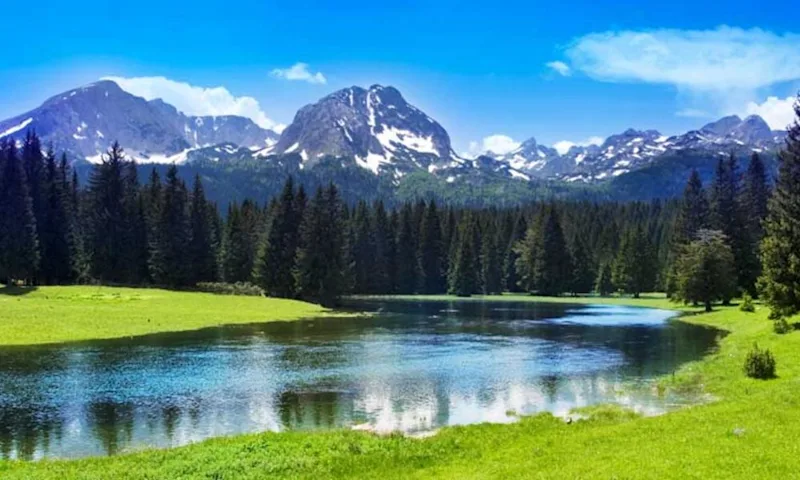
    Top 5 Places for Nature in Europe

    Dec 22, 2013 · Maddi Higgins

    Europe was once teeming with wildlife, from the snow-capped tops of mountains to the warm beaches of the Mediterranean. The arrival of humans, agricultural production, exploitation of habitats and the introduction of invasive species have caused major losses in biodiversity.
  • Asia & The Pacific

    Top 9 Seabirds to See in the Russian Far East

    Jan 23, 2013 · WWF

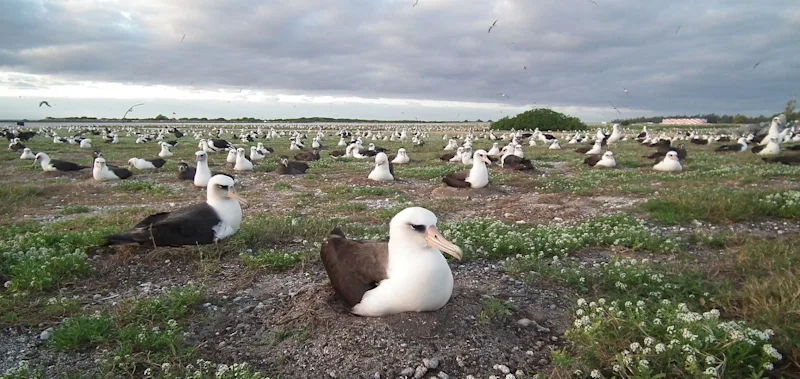
    Huge numbers of seabirds blanket the rocky landscape of the Russian Far East. The birds perch on high, windswept cliffs that rise to seemingly infinite heights, making their habitat inaccessible to other animals that would want to hunt them. As a result, the birds prosper in massive, dense colonies.

  • Nature & Wildlife

    Mammals in the Military: Navy Dolphins

    Sep 27, 2012 · Candice Gaukel Andrews

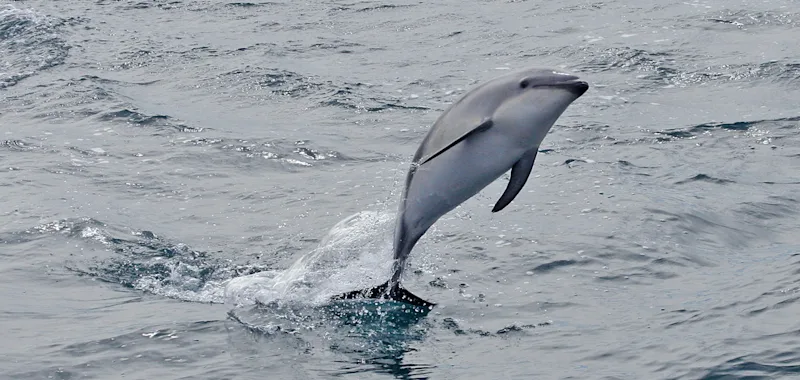
    A squad of about 80 bottle-nosed dolphins is presently serving in the U.S. Navy. Some of these dolphins have been trained to find mines and mark their location by dropping an acoustic transponder. Human divers are then sent in to destroy the explosives.

  • Nature & Wildlife

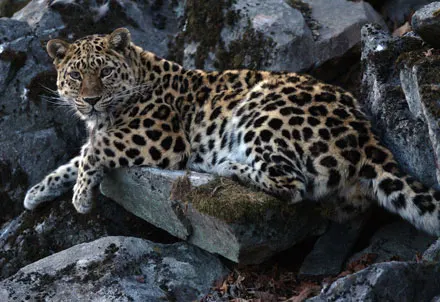
    A New Refuge for the World’s Rarest Cat

    Jul 12, 2012 · Lisa Poppleton

    Only 30-35 Amur leopards remain in the wild. Through establishment of a new national park in the Russian Far East, The Land of the Leopard, the World Wildlife Fund and its partners have joined local and national governments and community groups in an urgent effort to save this magnificent species.

  • Conservation

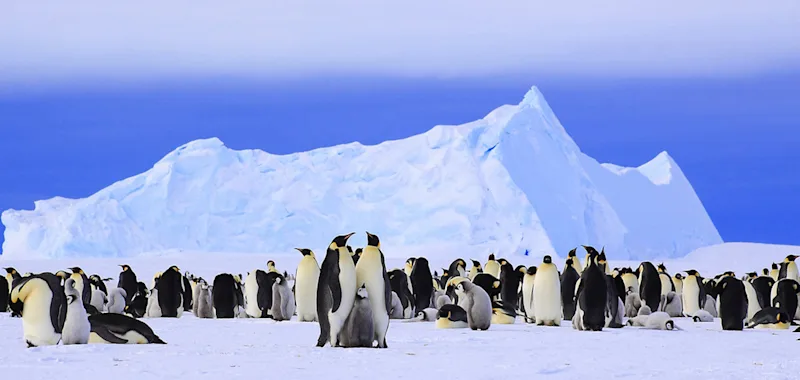
    More Penguins—and People—in Antarctica than Previously Thought

    Apr 24, 2012 · Candice Gaukel Andrews

    There are twice as many emperor penguins in Antarctica than previously thought, stated the National Science Foundation in mid April. That’s certainly good news, as concerns about the effects of global warming on penguin colonies rise.

  • News & More

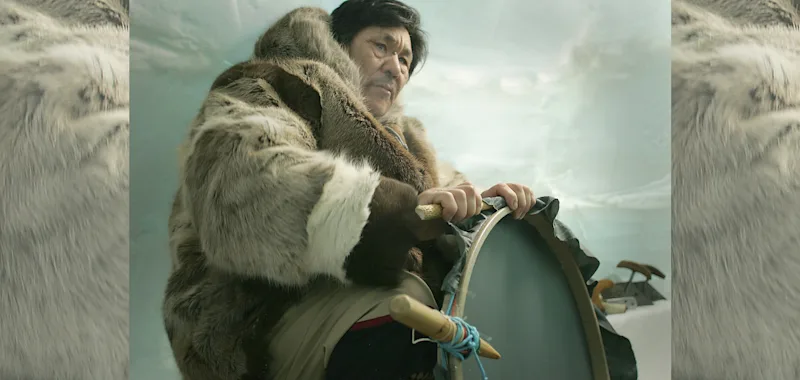
    First Explorers: The Siberia-Native American Connection

    Feb 28, 2012 · Candice Gaukel Andrews

    When early, intrepid European explorers first began trekking through the New World in the late 1400s, they were awed by the strikingly different cultures they encountered. But they also came to notice something else: remarkable physical similarities between the Asian peoples they had seen during their many travels and these new, soon-to-be-known-as “Native Americans.”

  • Travel Tips

    Places, Good and Bad

    Apr 26, 2011 · Candice Gaukel Andrews

    We humans seem to have a great need to anthropomorphize; that is, we tend to want to ascribe human characteristics to inanimate objects, nonhuman animals and natural phenomena, such as the wind, rain or sun.