

Asia & The Pacific
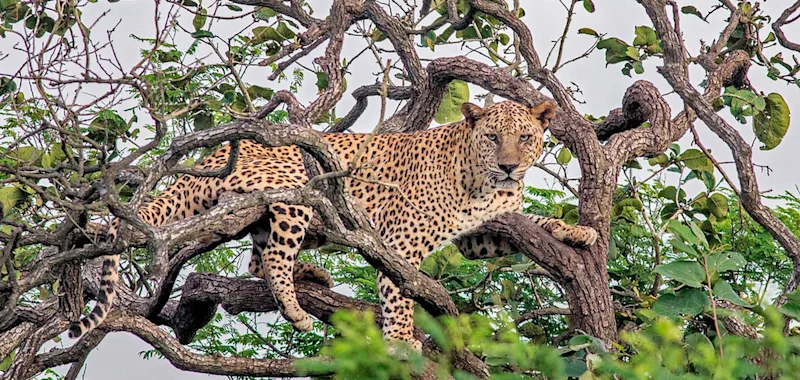
Christmas 2021: Coexisting with Cats, an India Story
In a few days, many of you will be celebrating Christmas or another religious holiday.
Asia & The Pacific
In a few days, many of you will be celebrating Christmas or another religious holiday.
Nature & Wildlife
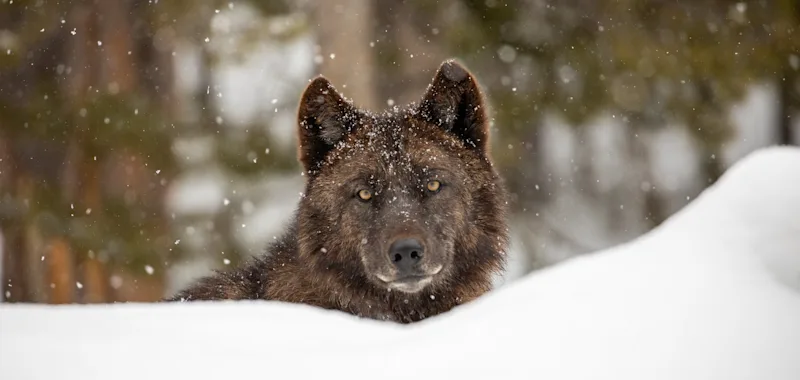
Ever since the reintroduction of wolves to Yellowstone National Park in 1995, there has been controversy and debate about the benefits and ecosystem services that the predators have actually provided; whether it was a good idea to bring the wolves back to their ancestral home or not.
Nature & Wildlife
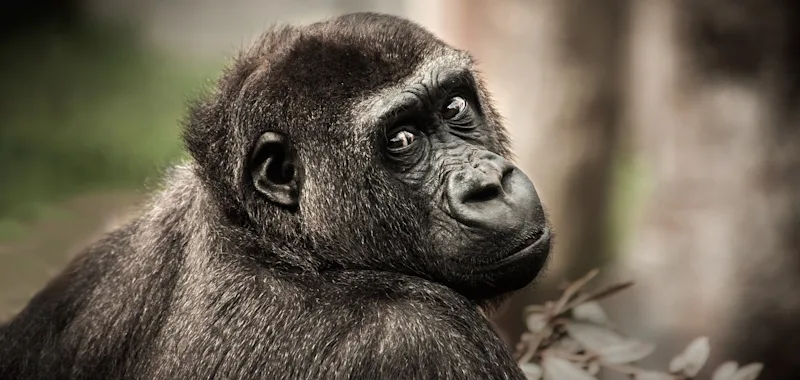
If you asked any wildlife fan or pet owner if animals have beliefs, I’m guessing their answers would almost all fall within the “yes” category, based on observations and anecdotal evidence. Science, however, is always held to a higher standard: proof is required.

Nature & Wildlife
When children were recently asked to draw their “happy places,” more than half of them created drawings that included aspects of nature and outdoor spaces, such as gardens, grass, lakes, outdoor playgrounds, parks, rainbows, rivers, sunlight or trees. Trees, in particular, were drawn by a third of the children.
African Safaris
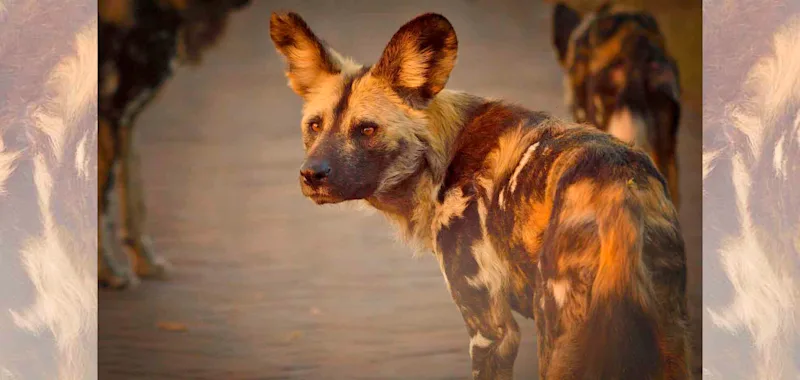
Larger than Austria and Germany combined and nearly twice as big as the United Kingdom, the enormous KAZA (Kavango-Zambezi Transfrontier Conservation Area) lies in the Kavango and Zambezi River Basins where Angola, Botswana, Namibia, Zambia and Zimbabwe converge.
Conservation
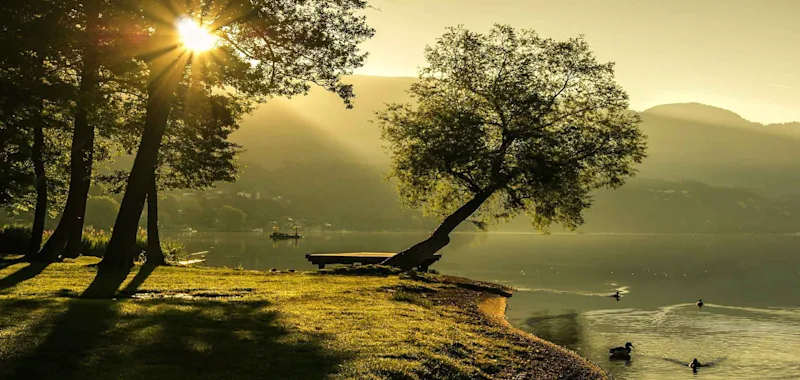
Unlike Earth Day, which is celebrated on April 22 every year, Arbor Day is a bit of a moving target. While National Arbor Day is always the last Friday in April, many states observe their Arbor Days on different dates based on the best tree-planting times in their areas.
Nature & Wildlife
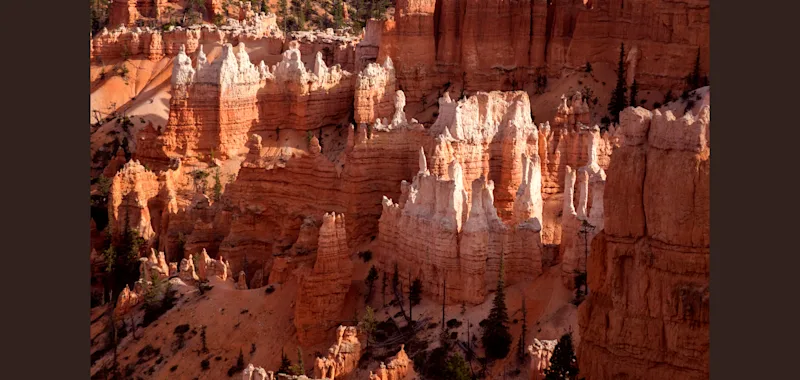
Rocks are unmoving. They are solid and stoic, massive and stolid; forever dependable as an essential part of the Earth’s crust. Promontories and peaks, cliffs and crags, are all rocks. Even the very word rock implies a brand of strength, sturdiness and stability, unchanging over the millennia. That’s the conventional view, anyway.