Good Nature Travel Blog

  • Conservation

    The Big Bad Wolf: Greater Yellowstone’s Greatest Controversy

    Jul 31, 2025 · Megan Brief

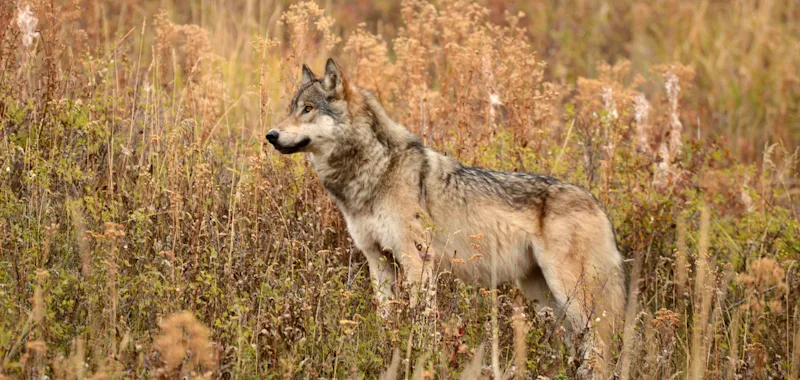
    Watch Nat Hab’s “The Big Bad Wolf” and Read on for an Exclusive Interview with the Film’s Co-Producer—Wildlife Biologist, Aaron Bott Directed by Andrew Ackerman, “The Big Bad Wolf” follows in the footsteps of Aaron Bott as he tracks wolves (Canis lupus) through snow-covered alpine meadows and beneath the branches of ancient conifers.
  • Nature & Wildlife

    Fascinating Facts About Yellowstone National Park

    Mar 24, 2025 · Emily Goodheart

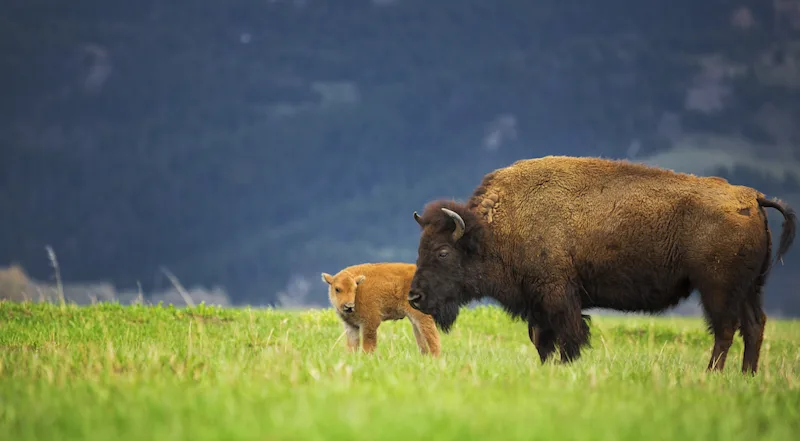
    Nat Hab’s journey through Yellowstone is a trip for the true wanderer, embracing the spirit of remote nature travel. This adventure stands apart from the typical park tour, delving deep into Yellowstone’s wilds.

  • Nature & Wildlife

    Animals Shape the Earth

    Mar 18, 2025 · Candice Gaukel Andrews

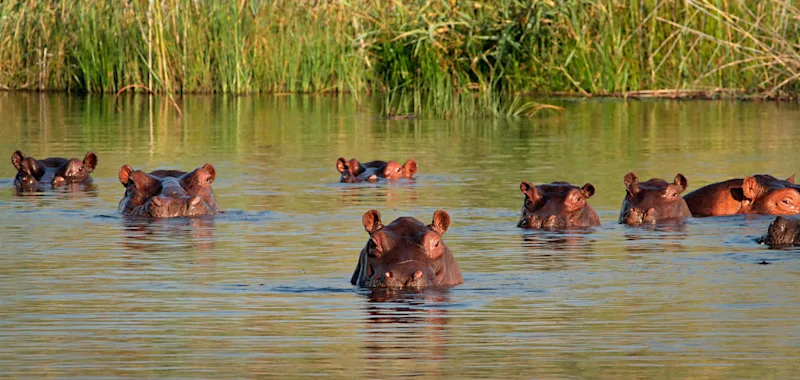
    Wild animals are not just the inhabitants of the natural world—they are its architects. That’s the exciting finding from a new study that reveals how hundreds of species have shaped the landscapes we depend on, from beavers creating entire wetlands to hippos carving drainage systems.

  • News & More

    Changing Nature Names

    Mar 4, 2025 · Candice Gaukel Andrews

    What you call something imparts meaning. Names can invoke assumptions, connotations, stereotypes and influence how you perceive an animal or a place. A name can also make you feel connected to a more-than-human being or your heritage.

  • Nature & Wildlife

    The Influence of Gophers and the Impacts of Wolves

    Jan 21, 2025 · Candice Gaukel Andrews

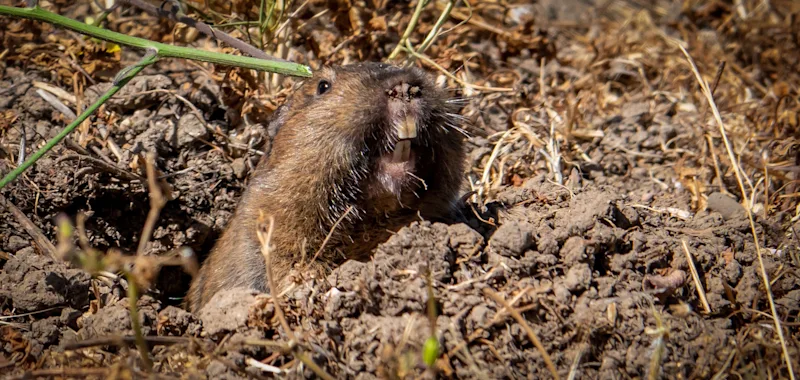
    On the surface, gophers and wolves don’t seem to have much in common. Gophers are small (just a few inches long), burrowing rodents that primarily consume bulbs, roots and other underground plant parts; while wolves (which can reach several feet in length) are much larger predators that hunt and primarily eat meat.

  • Nature & Wildlife

    The Colors of Earth Are Changing

    Oct 22, 2024 · Candice Gaukel Andrews

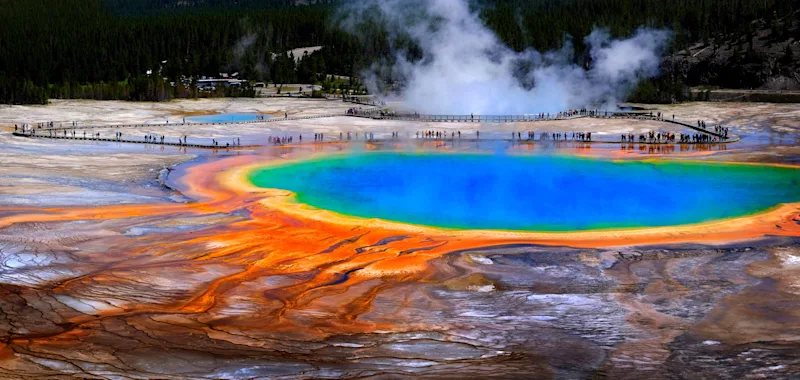
    Our world is a colorful place. Just think of the vivid blues, greens, oranges, reds and yellows of Grand Prismatic Spring in Yellowstone National Park, the rainbow-hued mountains of Zhangye National Geopark in China or the shimmering green and purple bands of light in the aurora borealis above the tundra in Churchill, Manitoba, Canada.

  • Alaska

    Photo Essay: The Brown Bears and Salt Marshes of Chinitna Bay, Alaska

    Sep 10, 2024 · Candice Gaukel Andrews

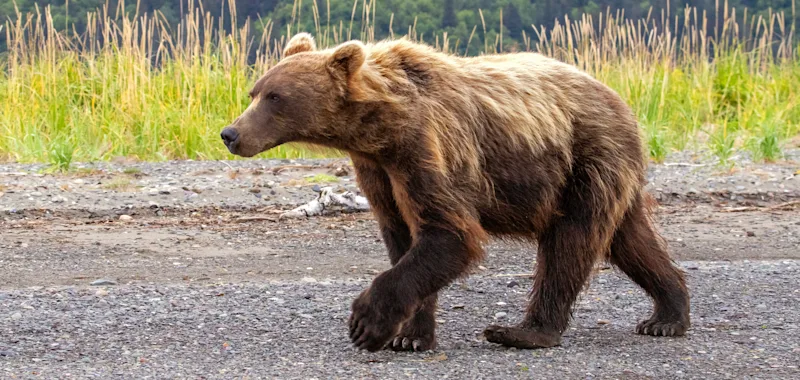
    Alaska’s Chinitna Bay on Cook Inlet near Lake Clark National Park and Preserve is the very heart of coastal brown bear country, according to the National Park Service. And now, having visited it, I can say I wholeheartedly agree.

  • Antarctica & Arctic

    The New, Surprising Reasons Travelers Visit Antarctica

    Aug 22, 2024 · Candice Gaukel Andrews

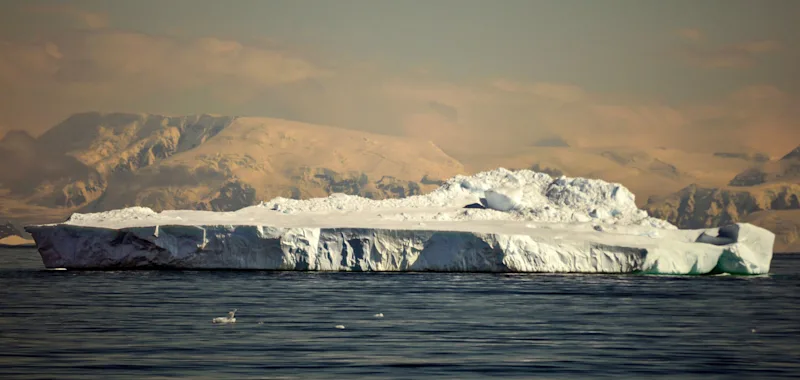
    American environmentalist, historian and novelist Wallace Stegner called our national parks “the best idea we ever had.” In 1983, he wrote: “National parks are … absolutely American, absolutely democratic, they reflect us at our best rather than our worst.”

  • Conservation

    The Unprecedented Presence of People Weighs on Wildlife

    Jul 23, 2024 · Candice Gaukel Andrews

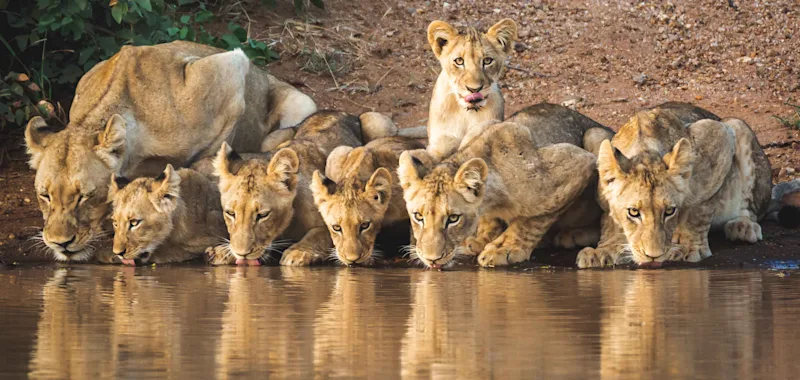
    In our human-dominated world, Earth’s most iconic and imperiled wildlife are facing tough decisions. Two lion brothers recently illustrated that fact when they undertook a long, record-breaking swim across a predator-infested African river in search of homes and mates.

  • News & More

    Surprising Sharks and Shipwrecks Saving Seas

    Feb 20, 2024 · Candice Gaukel Andrews

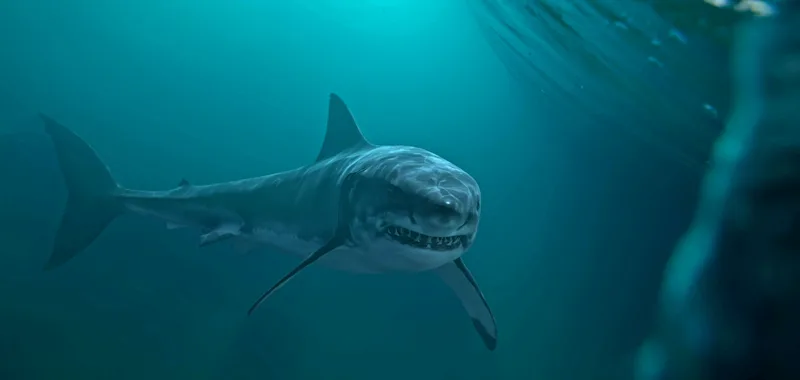
    In the popular and now iconic 1975 movie Jaws, directed by Steven Spielberg, a great white shark attacks swimmers during one summer in the fictional beach town of Amity Island, New York. Because of the film, many people came to fear great whites—with good reason.

  • Nature & Wildlife

    For Some Wildlife, Living Near Us Is Hard. Others Thrive.

    Feb 13, 2024 · Candice Gaukel Andrews

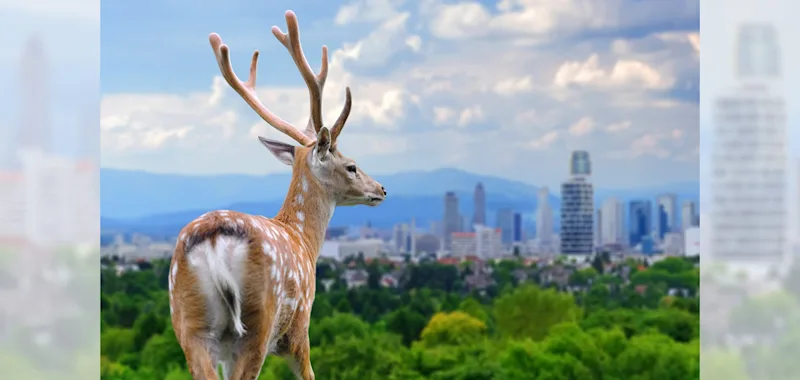
    Sometimes, the divide between us and wildlife seems wide and deep. Animals live far “out there,” we typically think, while we reside in cities, suburbs, towns and semirural areas. But more and more, we find ourselves in the lands and vicinities of wild animals.