Good Nature Travel Blog

  • Travel Tales

    Photo Journal: the Tall Trees of Redwood National Park

    Aug 27, 2015 · Candice Gaukel Andrews

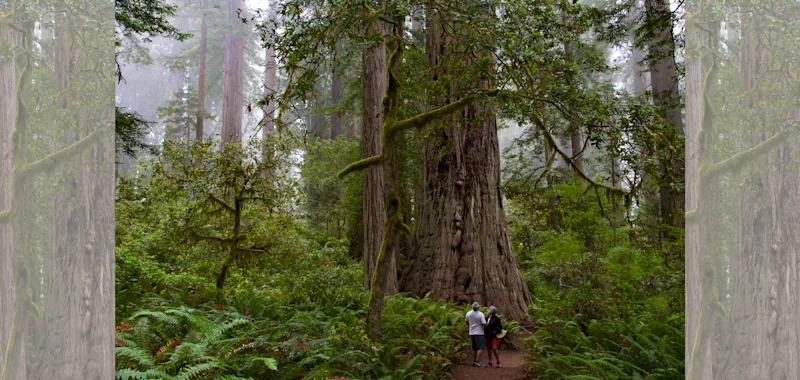
    Some have always been drawn to the mountains, while others are called to ocean shores. But I constantly feel the pull of forests (I’ve even written a book about them). My particular predilection causes me some mild embarrassment and social discomfort, because what could be more cliché for a baby boomer than being a “tree-hugger”?
  • Travel Tales

    Traveler Story: Lost in Time in Yellowstone National Park

    Dec 4, 2014 · Candice Gaukel Andrews

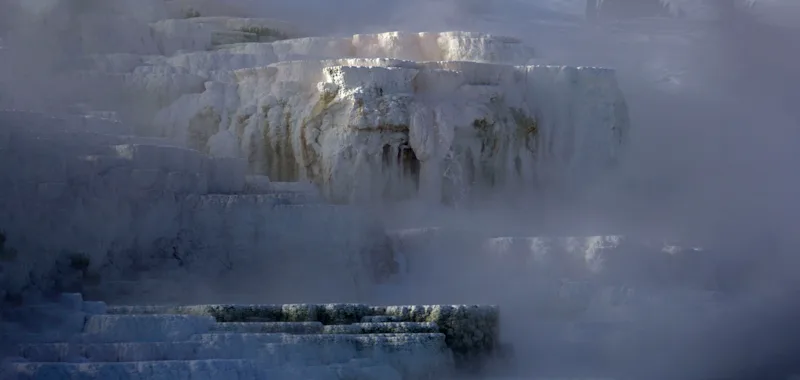
    There are a few rare places in the world where time as a linear construct just doesn’t seem to make much sense; places where the past, present and even the future seem to be all jumbled together, like pack ice piled up along a shoreline.

  • Videos

    Places of Peace: Video of Veterans in the Wilderness

    Aug 7, 2014 · Candice Gaukel Andrews

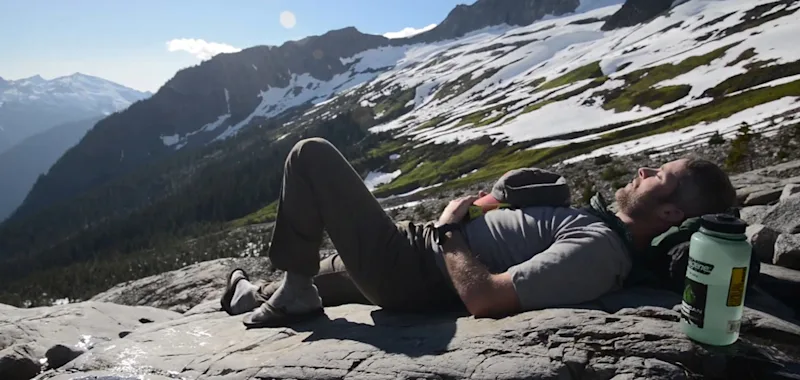
    From the moment I read John Muir’s sentiment about going to the mountains—that “thousands of tired, nerve-shaken, overcivilized people are beginning to find out going to the mountains is going home; that wilderness is a necessity…”―I have tried to do just that at least once a year.

  • Travel Tips

    Ten Things You Didn’t Know about Mt. Kilimanjaro

    Jan 23, 2014 · WWF

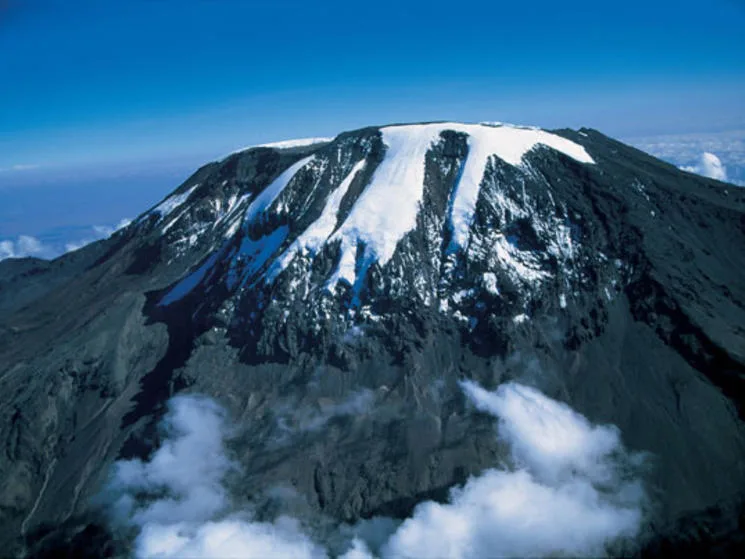
    This post was originally published on the WWF Travel Blog Rising majestically above the African plains, the 20,000-foot Mt. Kilimanjaro has beckoned to climbers since the first recorded summit in 1889. Here are 10 interesting facts to help inspire your own future summit: 10.

  • News & More

    Change of Name: Should “Mount McKinley” Become “Denali”?

    Jul 3, 2012 · Candice Gaukel Andrews

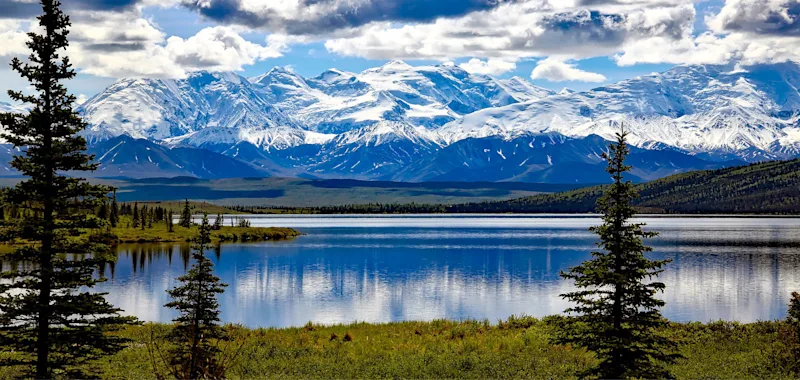
    Nature surrounds us with an amazing variety of animals, insects, birds, plants and topographic features. To refer to and distinguish the entities in this bounty, we assign them names—often two: one for common use and one, a two-parter, for scientific identification. Usually, the person credited with discovering or finding something new gets naming rights.

  • Nature & Wildlife

    Does Adventure Today Mean Going Retro?

    Jun 5, 2012 · Candice Gaukel Andrews

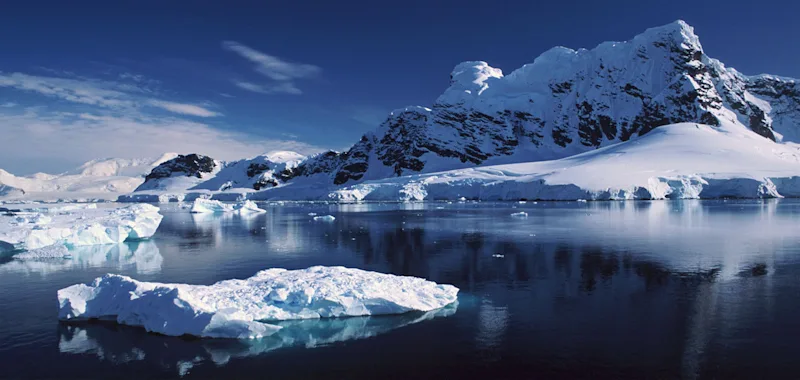
    British explorer and Royal Navy officer Robert Falcon Scott reached the South Pole on January 17, 1912. A hundred years later, on January 17, 2012, in honor of this historic adventure, the National Geographic Society exhibited some rare photos of the expedition, taken by Herbert Ponting.

  • News & More

    The Art of Adventure: Cartographers and Paleoartists

    Apr 10, 2012 · Candice Gaukel Andrews

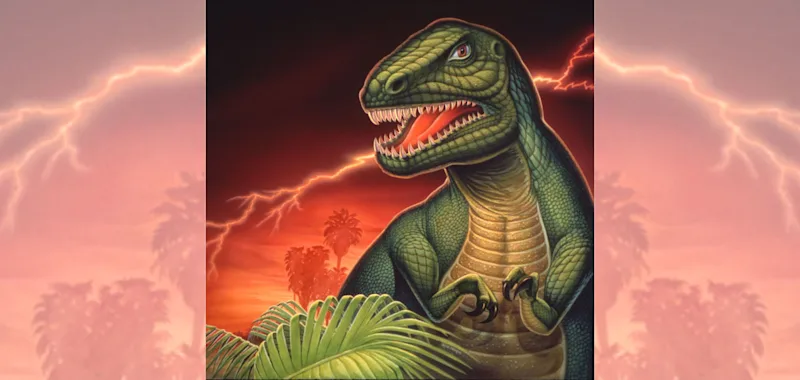
    In 1719, when cartographer John Senex was drawing a map of the English empire in America, there was still a lot that was unknown. The little information about this “new land” that he did have came from the accounts of various Jesuit and French explorers, and not much of it matched.

  • Travel Tales

    Do Adventure Movies Inspire Risk-Taking?

    Mar 13, 2012 · Candice Gaukel Andrews

    Ever since the explorers of old used oral storytelling, flyers and published journals to spread word of streets lined with gold, fountains of youth or rich silks and spices, people have been using mass media to motivate others to go on adventures.

  • News & More

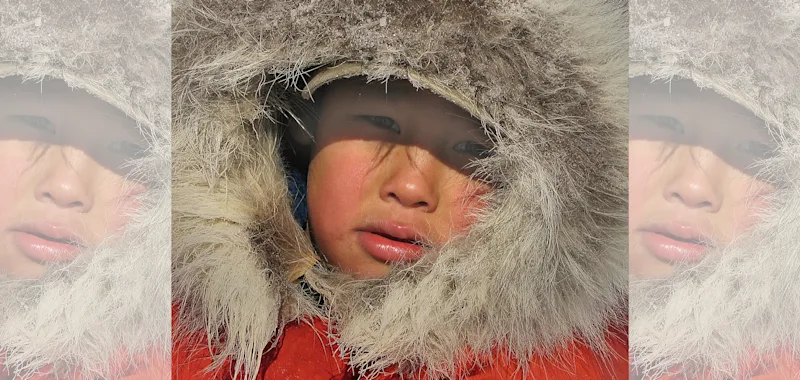
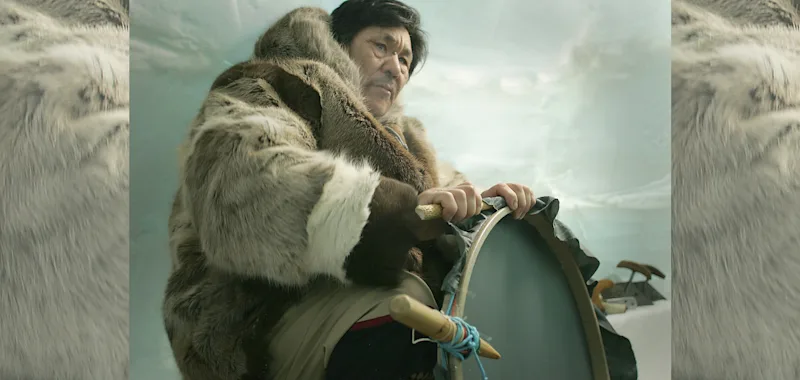
    First Explorers: The Siberia-Native American Connection

    Feb 28, 2012 · Candice Gaukel Andrews

    When early, intrepid European explorers first began trekking through the New World in the late 1400s, they were awed by the strikingly different cultures they encountered. But they also came to notice something else: remarkable physical similarities between the Asian peoples they had seen during their many travels and these new, soon-to-be-known-as “Native Americans.”

  • Nature & Wildlife

    Baffin Island’s Wandering Canadian Arctic Foxes

    Feb 14, 2012 · Candice Gaukel Andrews

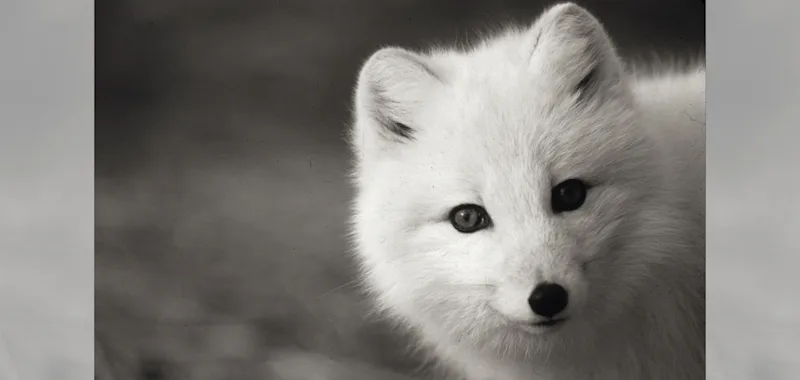
    An arctic fox off the coast of Baffin Island has recently proved that wanderlust isn’t restricted to humans. Apparently, this little canid—and some others of her kind—has a propensity for it, too. In spring 2008, Canadian biologists fitted 29 arctic foxes with tracking collars and began monitoring their movements by satellite.