Good Nature Travel Blog

  • African Safaris

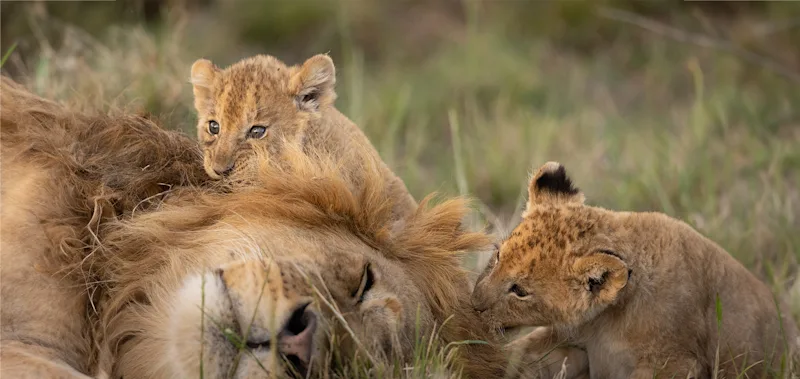
    The 9 Best Dads of the Animal Kingdom

    Jun 2, 2024 · Emily Deemer

    We wanted to wish a happy Father’s Day to all the dads out there, both human and animal fathers alike! As a tribute to hardworking dads, we made a list of some of the animal kingdom’s most dedicated dads.
  • Conservation

    Lion Longevity: Ants, Politics and Social Contexts

    Apr 9, 2024 · Candice Gaukel Andrews

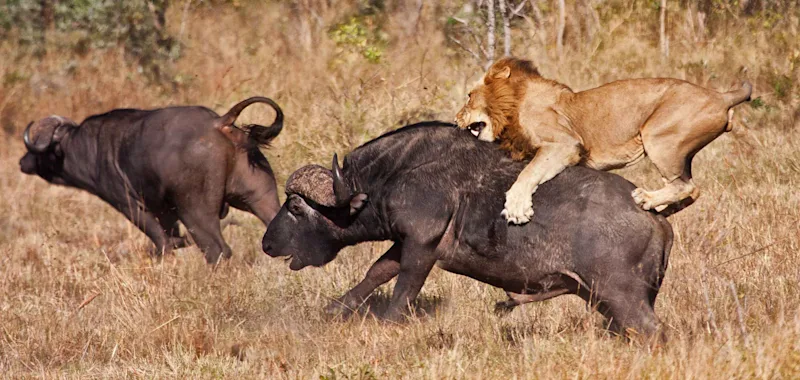
    American writer, conservationist, ecologist, environmentalist, forester, naturalist, philosopher and scientist Aldo Leopold once said that “harmony with land is like harmony with a friend; you cannot cherish his right hand and chop off his left. That is to say, you cannot love game and hate predators … the land is one organism.”

  • Nature & Wildlife

    10 Fast Facts About Lions for World Lion Day

    Aug 7, 2023 · WWF

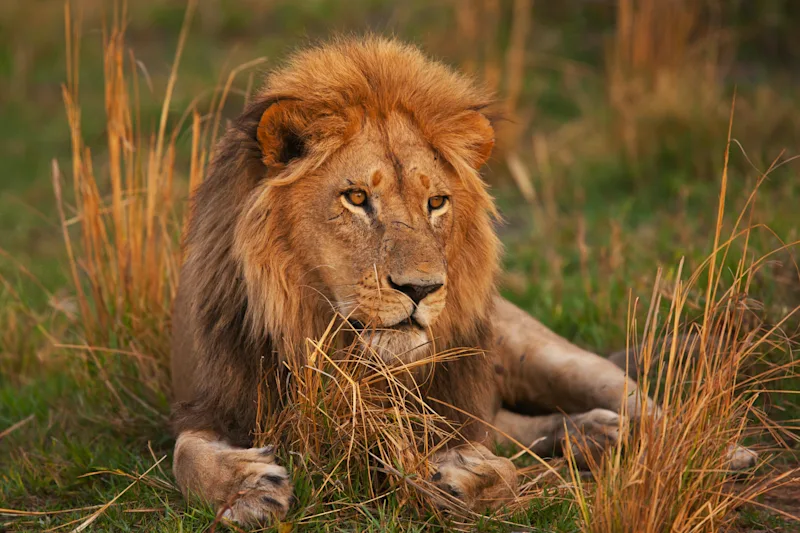
    The lion has long been a symbol of strength, power and ferocity. Seeing this majestic species up close is a spine-tingling highlight of any African safari.

  • African Safaris

    Lion Teeth Tell Tales

    Oct 18, 2022 · Candice Gaukel Andrews

    Staggering natural wonders—such as Victoria Falls, considered to be the world’s biggest curtain of falling water (not because of a singular dimension, such as height or width, but because of all dimensions taken into account, including flow rate)—and a massive network of remote national parks where you can encounter most of Africa’s iconic wildlife…

  • African Safaris

    Where the Wild Things Roam: The Great Migration and Tanzania’s Ngorongoro Crater

    Sep 19, 2022 · Jon Jared

    Big adventures abound in Tanzania. The largest country in East Africa, its borders encompass Mt. Kilimanjaro, the highest mountain in Africa; Lake Victoria, the continent’s biggest lake (and a primary source of the Nile River); and the largest animal migration on the planet. Oh—and it’s home to the most lions in the world!

  • Conservation

    Where It Counts: Enumerating Elephants and Listing Lions

    Jun 14, 2022 · Candice Gaukel Andrews

    To decide whether an animal population is threatened or even on the brink of extinction, you need to know, at least approximately, how many individuals are left and if those numbers are increasing or decreasing. In other words, you can’t protect wildlife if you can’t monitor it.

  • African Safaris

    Kenya Migration: The Full Circle of Life

    May 9, 2022 · Natural Habitat Adventures

    A Nat Hab traveler shares his experience with lions and leopards during The Great Kenya Migration Safari.

  • African Safaris

    Why Do Lions Roar? Facts about Big Cat Communication

    Mar 3, 2022 · Laura Kiniry

    The first time I heard a lion’s roar, it shook me to the bones. I’d been snoozing soundly in my hut in South Africa’s Madikwe Game Reserve (a Nat Hab favorite), when the full-throated and low-pitched bellow reverberated through my body, launching me upright. Afterward, I was too excited to go back to sleep.

  • Asia & The Pacific

    Sigiriya: Sri Lanka’s ‘Lion Rock’

    Sep 28, 2021 · Emily Goodheart

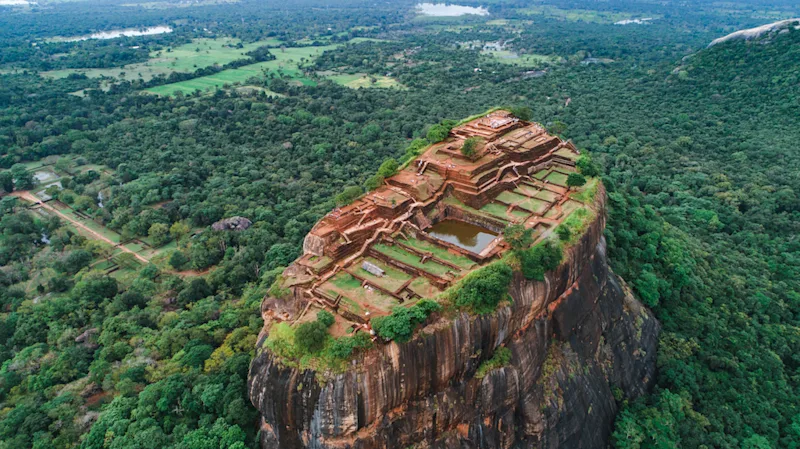
    Natural Habitat Adventures’ Sri Lanka Wildlife Safari explores the pristine natural areas and cultural highlights of this island country. Travelers will have a chance to visit many UNESCO World Heritage Sites, among them the ancient rock fortress of Sigiriya. Lion Rock is an imposing granite outcrop rising 650 feet above the rainforest.

  • African Safaris

    Your Africa Safari Photographs Could Help Save Wildlife

    Jul 13, 2021 · Candice Gaukel Andrews

    I have never been fortunate enough to go on an Africa safari, but I never tire of reading about the experiences of others who have visited the continent, such as the thrill of seeing a herd of wildebeest spread across a vast, open plain or spotting a leopard lazing in a tree as the…

  • African Safaris

    Kenya’s Cattle Ranchers Conserve Wild Hartebeests—and Lion Predators

    Jul 28, 2020 · Candice Gaukel Andrews

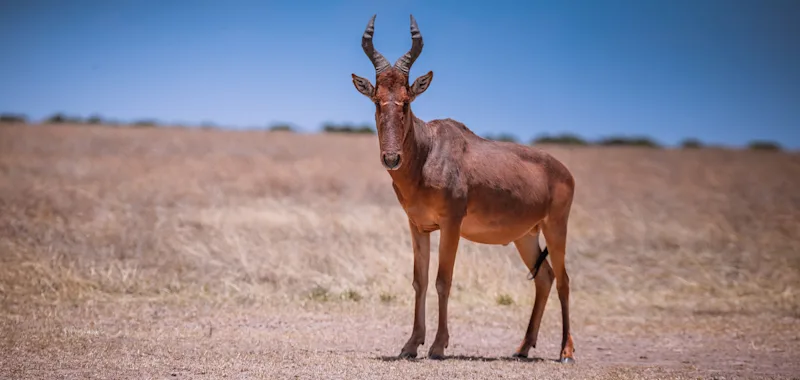
    Hartebeests—the narrow-faced, savanna-adapted and unusual-looking African antelope that are native to more than 25 African countries—are on a downhill population slide. The African Wildlife Foundation estimates that there are about 360,000 of them left in eight to 10 recognized subspecies, one of which is entirely extinct. In Kenya, particularly, hartebeest numbers are decreasing, threatening extinction.