Good Nature Travel Blog

  • Travel Tales

    Unplugged, Unreachable and Overjoyed

    Apr 6, 2016 · WWF

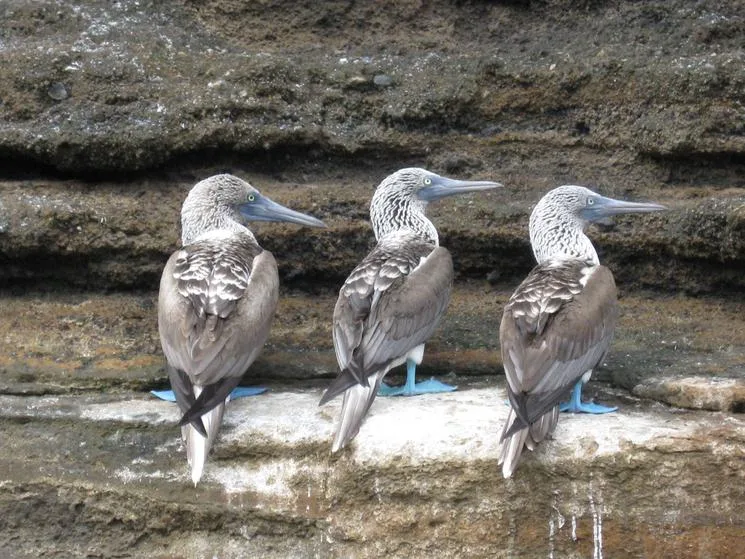
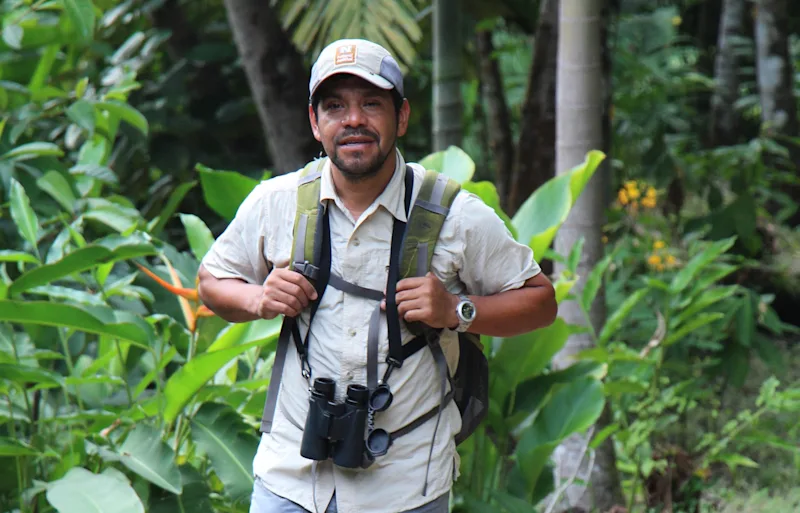
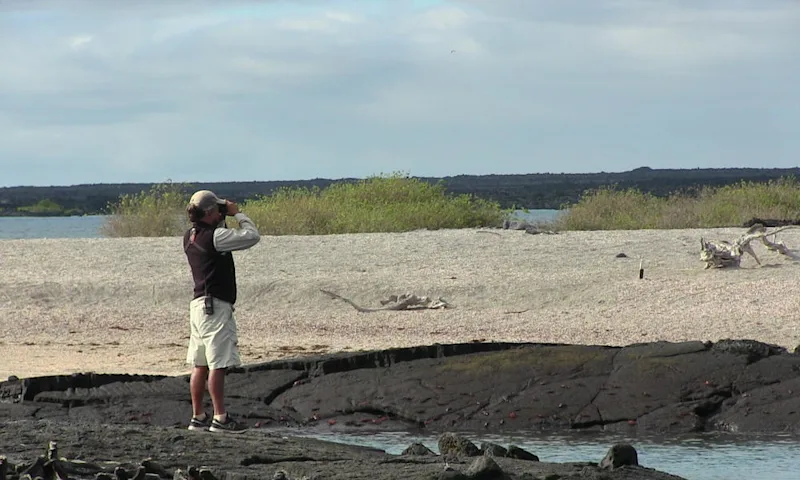
    “Life takes on new meaning away from civilization.” When our naturalist guide Roberto Plaza spoke those words as we were walking down a quiet Galapagos island path on the first day of our Nat Hab/WWF trip, the full weight of his observation didn’t quite hit me.
  • Nature & Wildlife

    Get to Know a Guide: Q&A with Gustavo Andrade

    Feb 3, 2016 · WWF

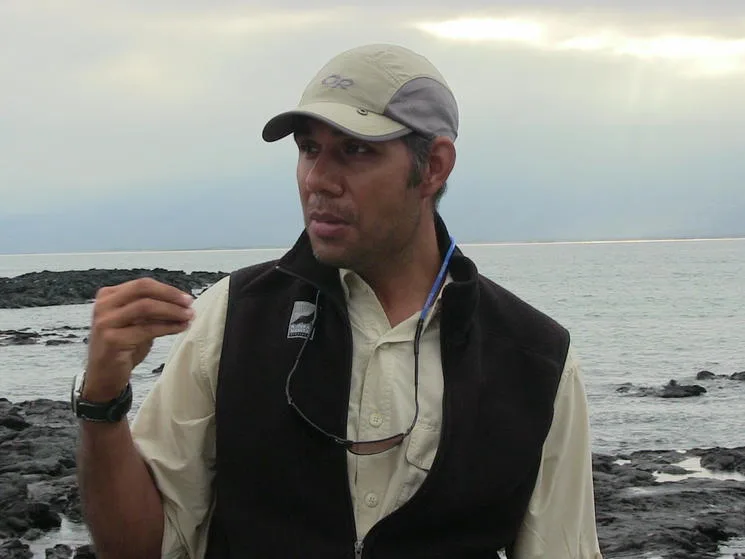
    The Galapagos Islands have been part of Gustavo Andrade’s life for as long as he can remember. Raised by a father who worked as a Galapagos tour boat captain for many years, Gustavo’s childhood was spent sailing the seas. The islands were his summer playground, the sea lions and marine turtles, his playmates.

  • Nature & Wildlife

    11 Wild Reasons to Visit Costa Rica (in Photos)

    Dec 2, 2015 · WWF

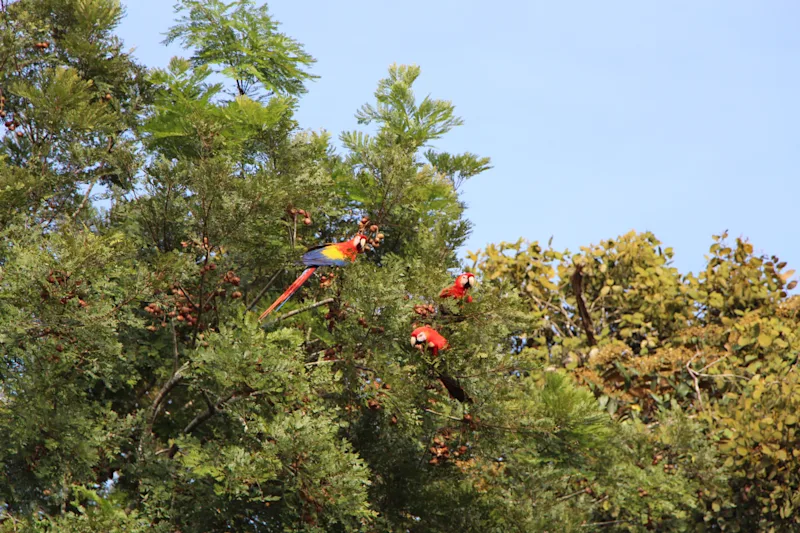
    Costa Rica is literally rich. In wildlife. This tiny country has built up an incredible reputation as a sustainable destination founded on the idea that its natural resources are to be valued in theory and practice. By protecting these resources, Costa Rica’s people have also benefited.

  • Travel Tips

    School of Thought: 10 Things the Galapagos Taught Me

    Oct 14, 2015 · WWF

    Marsea Nelson traveled to the Galapagos on the Classic Galapagos Adventure. She shared what she learned with us. 1. Land iguanas are the supermodels of the Galapagos. They seemed to love posing for photos. I felt a bit like a fashion photographer, getting shots from different angles and different sides.

  • Conservation

    Join Two WWF Conservation Experts in the Amazon

    Sep 23, 2015 · Tania Curry

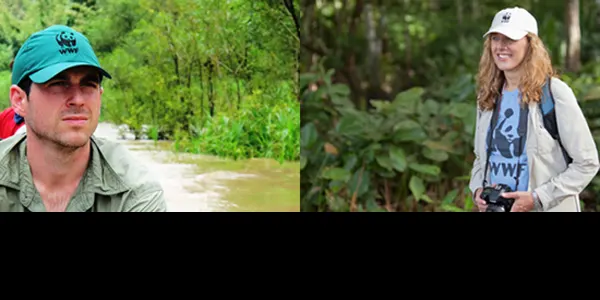
    For 40 years WWF has been working in the Amazon, a biodiverse and ecologically important rain forest that produces more than 90 billion metric tons of carbon and also houses more than 30 million people and contains one in ten known species on Earth. It’s importance cannot be over stressed.

  • Nature & Wildlife

    Top 7 Moments of the Natural Vida en Costa Rica

    Jun 10, 2015 · WWF

    Costa Rica is about the size of West Virginia yet contains about 5 percent of the world’s biodiversity. Accompanying a Costa Rica adventure with WWF and Nat Hab, I saw enough to fill my camera’s memory card.

  • Nature & Wildlife

    See Nature as If for the First Time

    Mar 25, 2015 · WWF

    We had just finished a wonderfully grueling hike in the Tiskita Jungle, located along pristine coastline in the southwest corner of Costa Rica within a 300-acre private biological reserve. We sat under an almond tree to shade ourselves from the hot sun and rest our well-earned, aching muscles.

  • Nature & Wildlife

    A Conservationist's Dream Honeymoon in the Galapagos

    Nov 12, 2014 · WWF

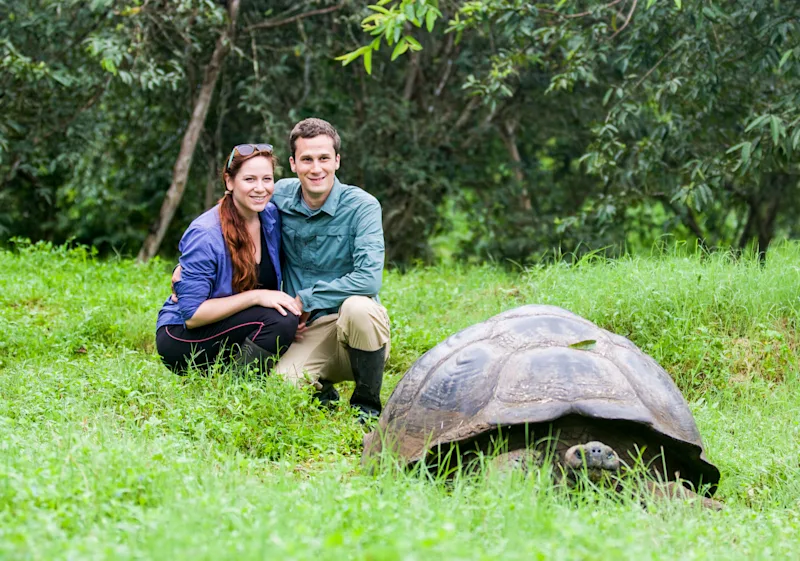
    By Rachel Kramer, Program Officer, Wildlife Conservation and TRAFFIC My husband and I are scientists. We are fascinated by species and their habitats. When it came to selecting a place for our honeymoon, the Galapagos Islands—visited in as low-impact a manner a possible—was our dream.

  • Latin America

    10 Watery Wetland Facts about the Pantanal

    Oct 22, 2014 · Maddi Higgins

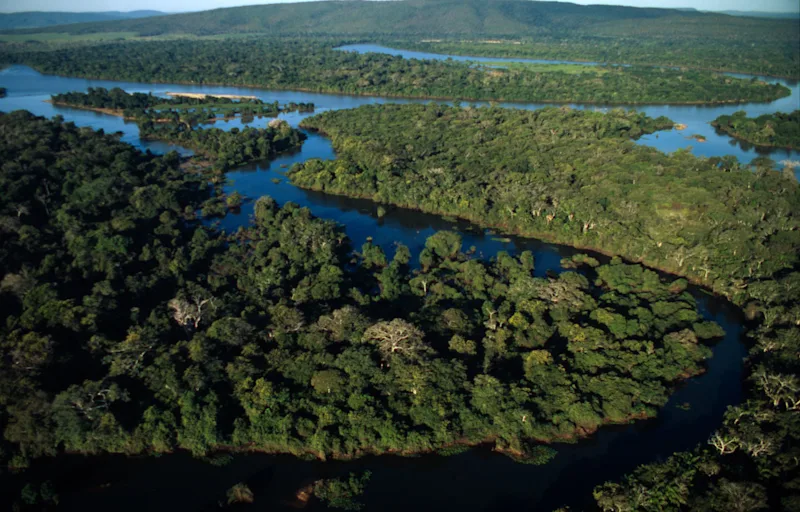
    The Pantanal is the largest wetland in South America and the largest wetland in the world that has not been substantially modified by humans. The sheer abundance of large birds, reptiles and mammals mark its importance as a huge reservoir of biodiversity.

  • Nature & Wildlife

    5 National Parks in Costa Rica You Shouldn't Miss

    Oct 8, 2014 · WWF

    Thankfully, the country of Costa Rica recognized the gift of its incredible biodiversity early on, and began protecting it with an extensive network of national parks, wildlife refuges and biological reserves. Our four Costa Rica itineraries visit numerous protected areas; here are just five of our favorite.

  • Nature & Wildlife

    WWF Report: 52 Percent of the World’s Biodiversity Is Gone

    Oct 7, 2014 · Candice Gaukel Andrews

    When the World Wildlife Fund (WWF) released its Living Planet Report 2014 on September 30, it wasn’t the usual doom-and-gloom environmental news story that is forgotten the next day.