

Conservation
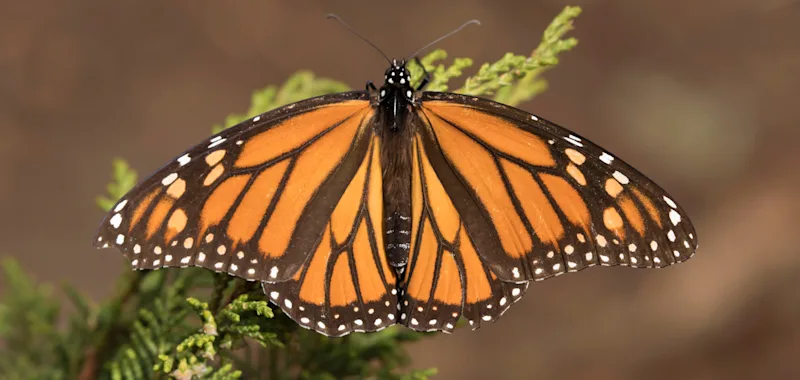
Monarch Butterflies: Are They Endangered or Stable?
Every summer has its own vibe. For example, you might remember your 10th as the one when you learned to swim at the beach, or your 25th as the time when you took the perfect road trip.
Conservation
Every summer has its own vibe. For example, you might remember your 10th as the one when you learned to swim at the beach, or your 25th as the time when you took the perfect road trip.
Nature & Wildlife
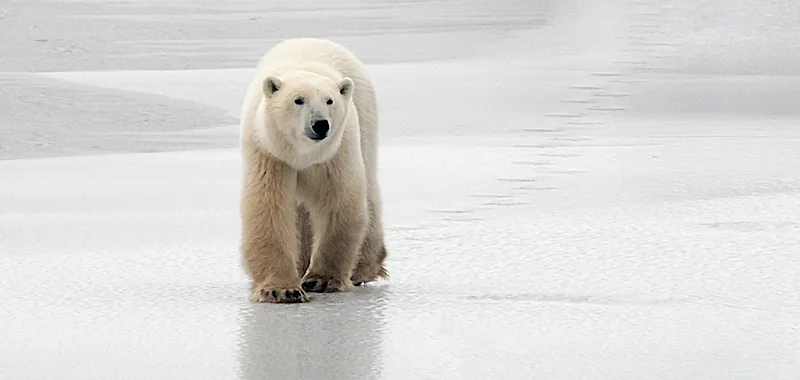
Scientists have discovered a previously unknown, isolated population of polar bears living in Southeast Greenland that has found a unique way to survive.
Latin America
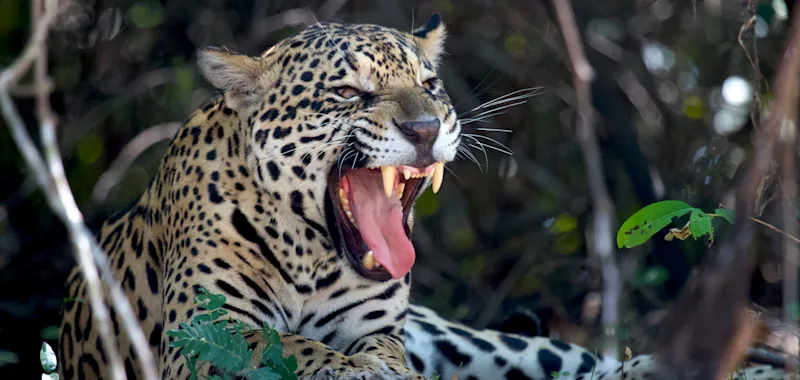
At more than 81,000 square miles—greater than 10 times the size of Florida’s Everglades—the Pantanal, located mostly in Brazil, is the largest tropical wetland and one of the most pristine in the world. This seasonally flooded plain is fed by tributaries of the Paraguay River and is one of the planet’s most productive habitats.
Asia & The Pacific
We’re all familiar with this movie scene: a bald eagle soars overhead in a wild, Western-type, wide-open landscape, and we hear the iconic, piercing, strong screech of America’s most majestic bird.

Conservation
Throughout the United States, Native Americans own and/or manage nearly 95 million acres of deserts and forests, grasslands and mountains—much of it in still-intact habitats. That’s 10 million more acres than the National Park Service administers. These extensive holdings make tribes extremely important and significant partners in habitat and wildlife protections.
Nature & Wildlife
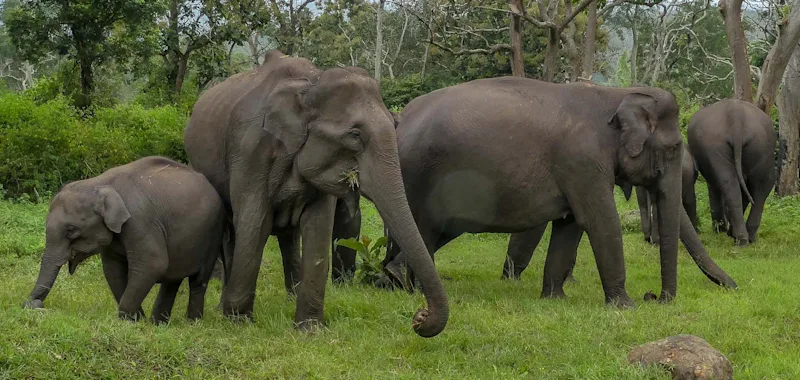
Anyone who has ever adopted a cat or dog into the family knows that each pet is distinctive. One of your dogs, for example, may have loved to spend all day at your side, while another may have enjoyed some daytime hours to chill out by herself on her favorite couch.
African Safaris
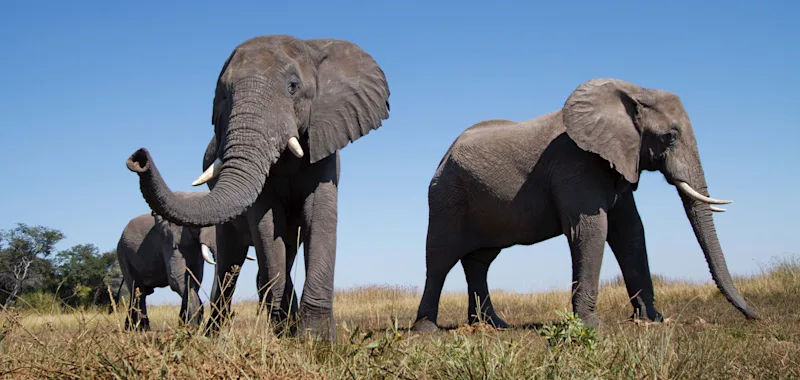
The African nation of Botswana is believed to have the world’s largest population of wild elephants. While the exact number is hard to pinpoint, estimates are that there are between 118,000 to 130,000.
African Safaris
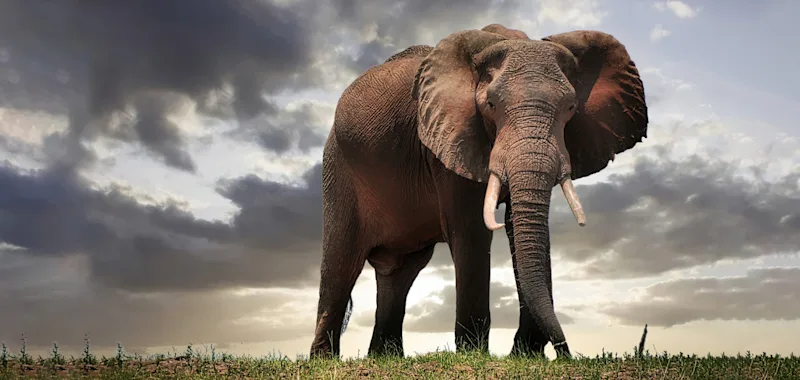
You probably already know the perilous position that the world’s elephants are currently negotiating. The International Union for Conservation of Nature (IUCN) has officially listed the Asian elephant as endangered and the African elephant as vulnerable.
African Safaris
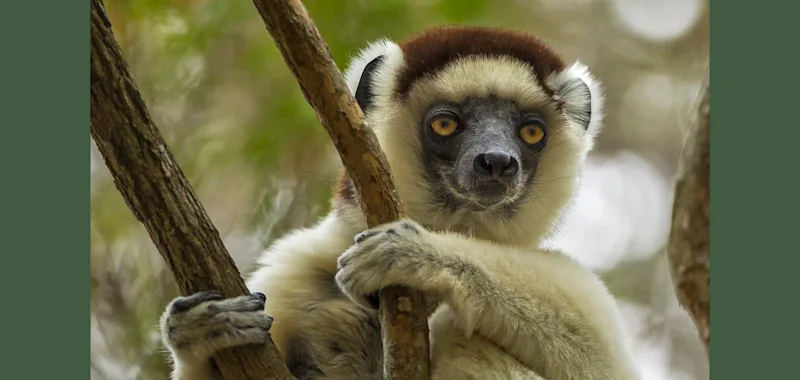
Imagine that you are lactose intolerant, and then you discover that all of the grocery stores in your vicinity sell only dairy products. That’s how a Duke University, North Carolina, ecologist describes the predicament of sifakas, a genus of lemur.
African Safaris
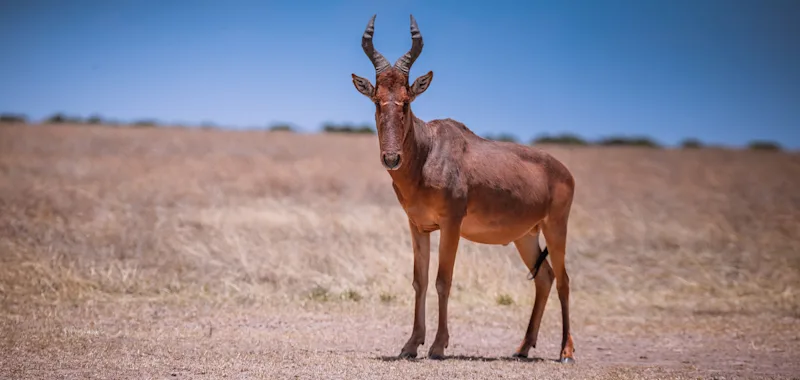
Hartebeests—the narrow-faced, savanna-adapted and unusual-looking African antelope that are native to more than 25 African countries—are on a downhill population slide. The African Wildlife Foundation estimates that there are about 360,000 of them left in eight to 10 recognized subspecies, one of which is entirely extinct. In Kenya, particularly, hartebeest numbers are decreasing, threatening extinction.
Conservation
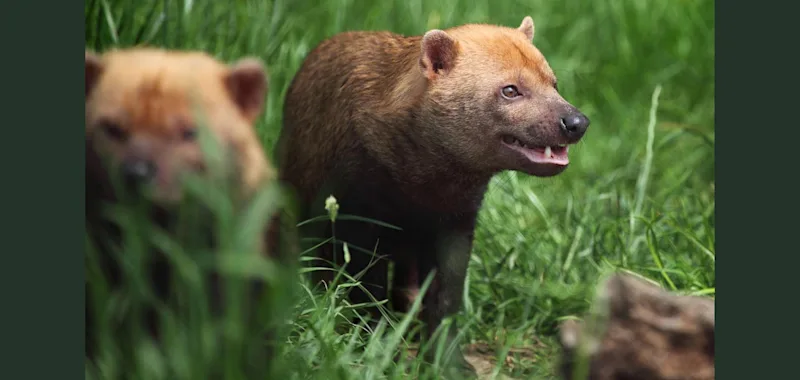
Stories of animals venturing into and enjoying new places have been one bright spot during the COVID-19 worldwide pandemic of 2020.
Videos
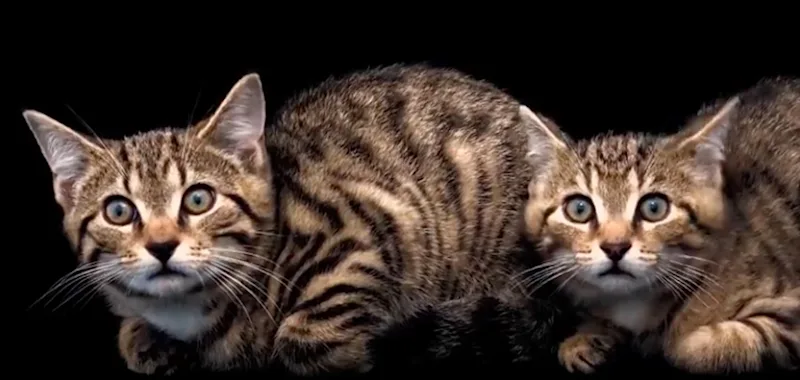
Bears, lynx, wolves and wildcats used to roam the lands that today make up Great Britain. European brown bears, however, have been extinct there since at least the early Middle Ages—and possibly even earlier. British lynx disappeared around 700 A.D., due to hunting and habitat destruction. And by the turn of the 16th century, wolves were extinct in England and Wales.