

Churchill Polar Bears
Polar Bear Paws, Problems and a Promising Plan
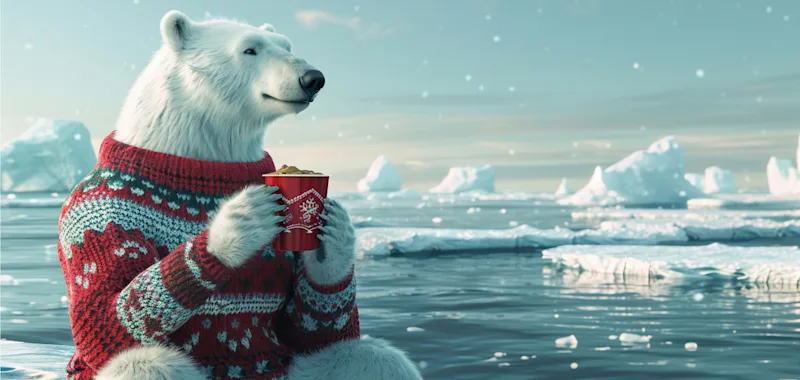
As the end-of-the-year holidays approach, themes of ice-skating rinks, snowflakes and cute polar bears in sweaters decorate many homes and shops.
Churchill Polar Bears
As the end-of-the-year holidays approach, themes of ice-skating rinks, snowflakes and cute polar bears in sweaters decorate many homes and shops.
Conservation
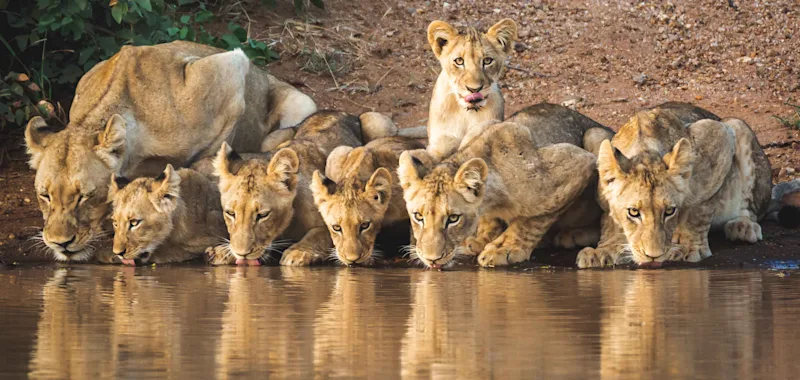
In our human-dominated world, Earth’s most iconic and imperiled wildlife are facing tough decisions. Two lion brothers recently illustrated that fact when they undertook a long, record-breaking swim across a predator-infested African river in search of homes and mates.
Nature & Wildlife
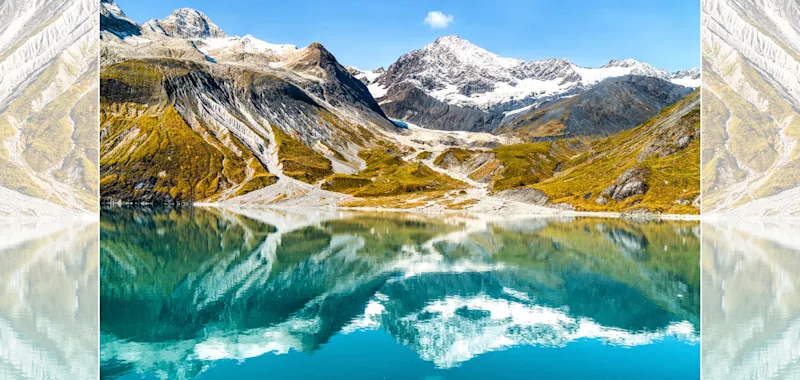
Glaciers are tremendous accumulations of snow, compacted by weight and turned to ice. They move with gravity due to their own mass, often carrying rocks and sediment debris with them.
Nature & Wildlife
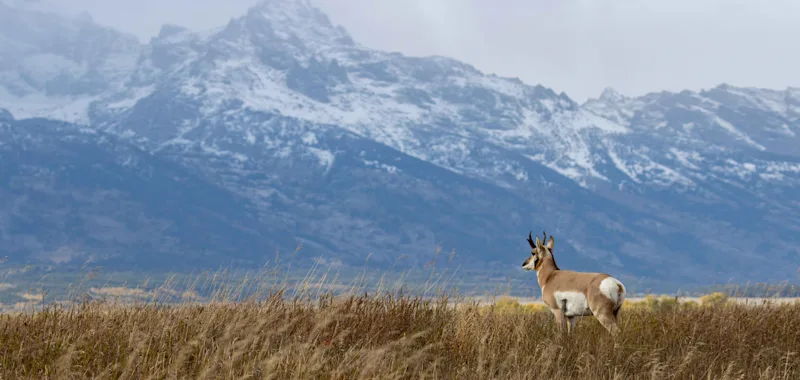
We human beings have certain basic needs. We must have air, food, water and shelter to survive, according to NASA. If any one of these basic needs is not met, then humans cannot persist. I think the same applies to more-than-human animals, as well.
Conservation
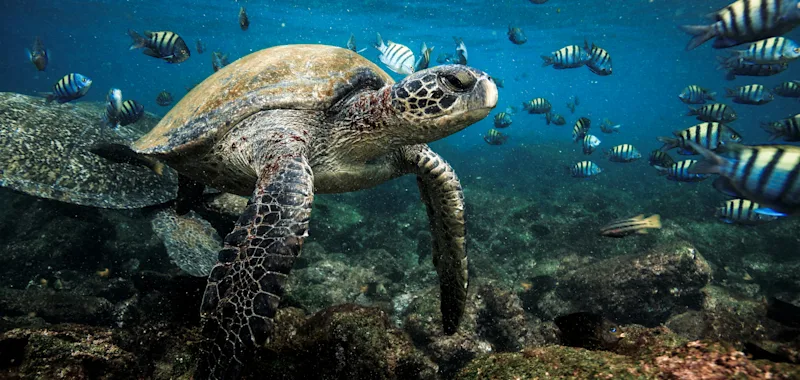
Ever since the HMS Beagle arrived in the Galapagos Islands with a young Charles Darwin aboard—who was soon to meet a fateful family of finches—ecologists have struggled to understand a particularly perplexing question: Why is there such a ridiculous abundance of species in some places on Earth and a scarcity in others?
News & More
Quiet, small-but-deep Crawford Lake in Canada’s Niagara Escarpment in Ontario may soon become the symbolic starting point for a radical new chapter in Earth’s official history: the Anthropocene, or the Age of Humans.
Nature & Wildlife
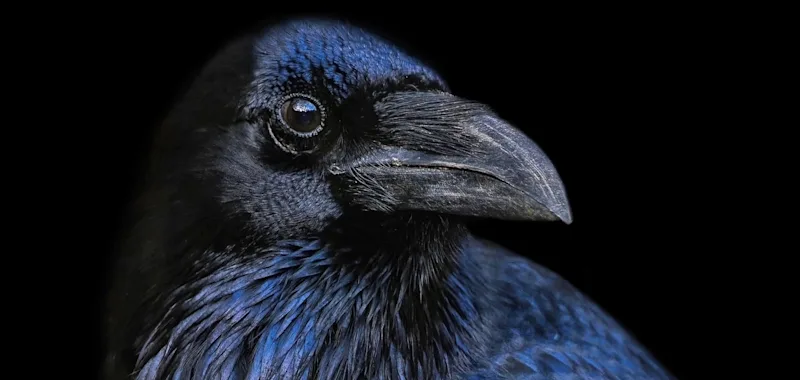
You know them because you see them in your neighborhood every day. And you certainly have heard their distinctive, harsh caws and kraas. They are crows and ravens, the corvids that are well-known for their black color. Crows can be found all over the world in a variety of habitats.
Nature & Wildlife
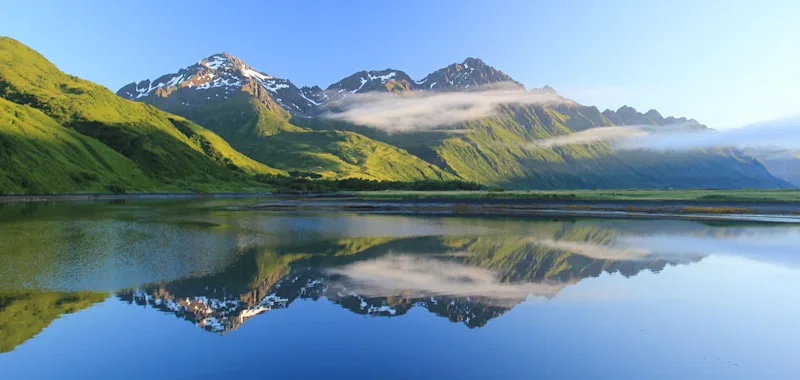
Long, deep and usually surrounded by breathtaking cliffs, a fjord begins as a U-shaped trough, gouged out by an advancing glacier. When the glacier retreats, rising seas enter these trenches, eventually forming finger-shaped, steep-sided inlets, commonly more than 1,000 feet deep.
Nature & Wildlife
As we welcome in the New Year, notable travel media outlets such as AFAR, National Geographic and Lonely Planet have been curating lists of the best places to visit in 2023. Natural Habitat Adventures operates trips in 20 of these bucket-list destinations, from Australia to Zambia.
Canada & the North
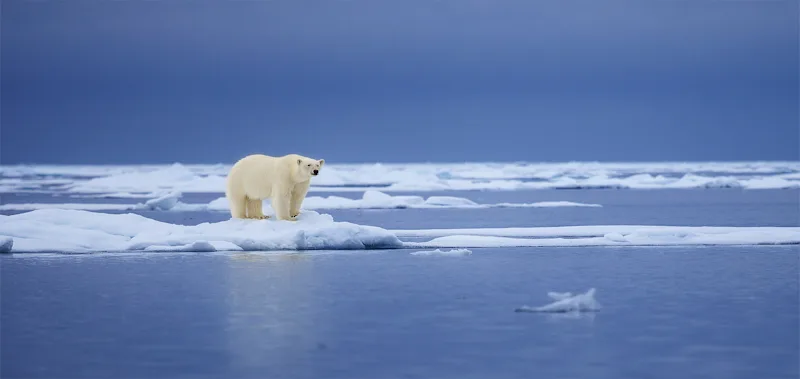
Back in March of this year, we covered polar bears and their incredible adaptations for surviving in the harsh Arctic environment. We learned about a female polar bear that, in 2011, swam 426 miles over nine straight days (which is equivalent to the distance between Washington, D.C., and Boston).
Asia & The Pacific
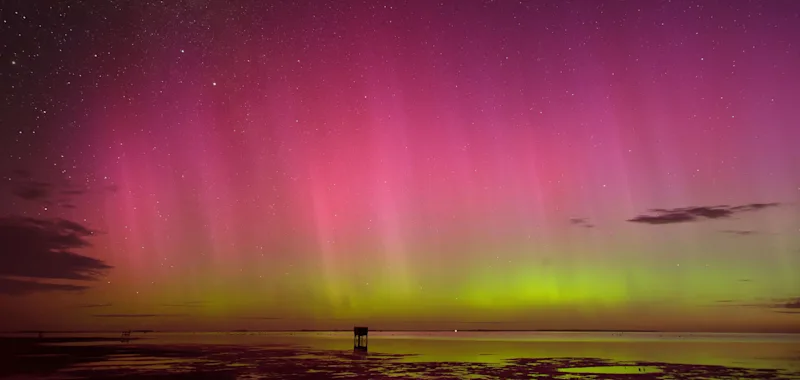
There may be no phenomena more magical on Earth than the aurora borealis and the aurora australis: the northern and southern lights.
News & More
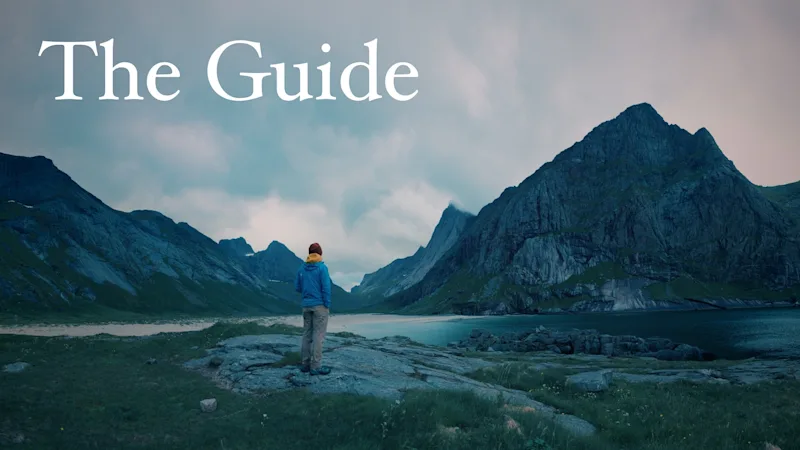
Watch The Guide and read on for an exclusive interview with Nat Hab Expedition Leader Colby Brokvist! “What’s the difference between a national forest and a national park?” “Is this plant edible?” “What kind of animal made this scat?”