Good Nature Travel Blog

  • Videos

    Video: A Rocky Mountain National Park High

    May 7, 2019 · Candice Gaukel Andrews

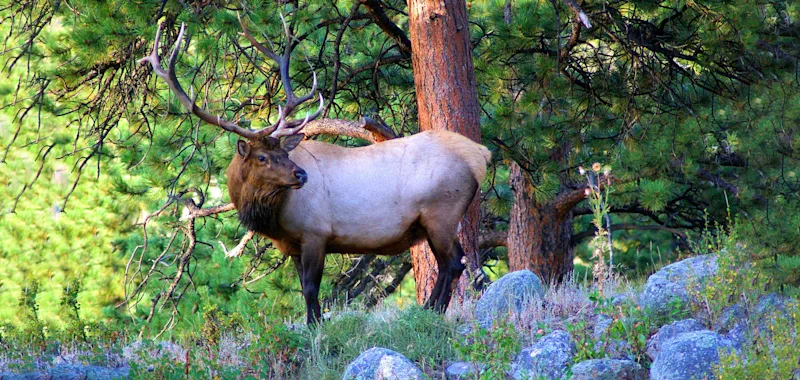
    “Walk away quietly in any direction and taste the freedom of the mountaineer. Camp out among the grasses and gentians of glacial meadows, in craggy garden nooks full of nature’s darlings. Climb the mountains and get their good tidings, Nature’s peace will flow into you as sunshine flows into trees.
  • Nature & Wildlife

    Grasslands: A Lot More Than Just Flyover Country

    Feb 5, 2019 · Candice Gaukel Andrews

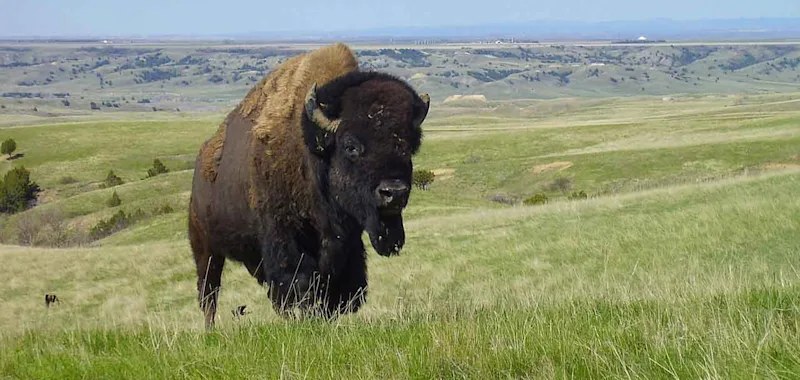
    Across the world, they go by many names: downs, prairies, pampas, rangelands, steppes, savannas or velds. But what all of these landscapes have in common is that grass is their naturally dominant vegetation.

  • Travel Tales

    Traveler Story: Geysers and Hot Springs of Yellowstone

    Dec 8, 2018 · Natural Habitat Adventures

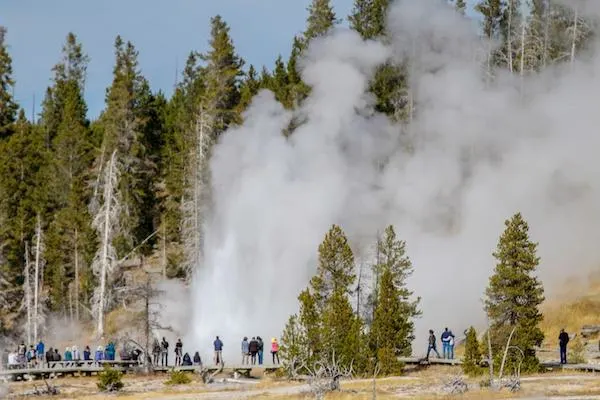
    Nat Hab travelers Lois O. Gray and Kay Gilmour recently journeyed on our Hidden Yellowstone Photo Safari and shared tales of the park’s geysers and hot springs. We left early to begin the drive to Yellowstone and stopped at Snake River’s Oxbow Bend.

  • U.S. National Parks

    Video: A Newly Discovered Yellowstone Migration

    May 24, 2018 · Candice Gaukel Andrews

    After a long winter—which still seems to be hanging on in some places—people are understandably anxious to get outside and get on the move again. Perhaps we take our cue from the nonhuman animals, which have for millennia followed spring migration routes.

  • Videos

    Videos: Golden Eagle Catch and Release

    Sep 14, 2017 · Candice Gaukel Andrews

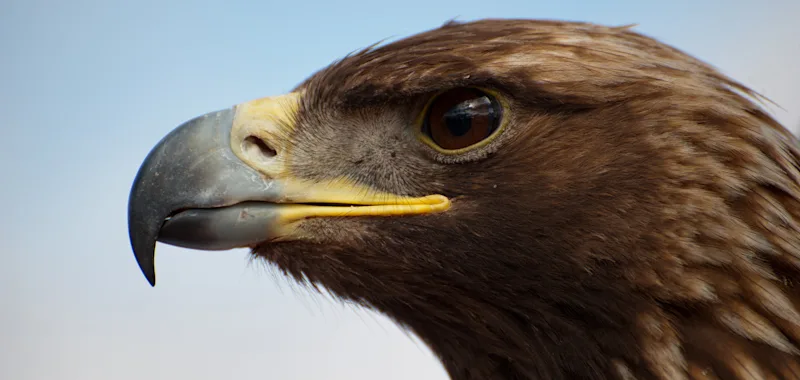
    One of the largest birds in North America, a golden eagle is an expert hunter. It can dive on prey from tremendous heights and has been clocked flying close to 200 miles per hour. Golden eagles primarily hunt ground squirrels, jackrabbits, marmots and prairie dogs.

  • News & More

    Drones: Wildlife Difficulty or Poaching Deterrent?

    Mar 14, 2017 · Candice Gaukel Andrews

    Drones have become popular conservation tools. The Bureau of Land Management, the Department of the Interior and the U.S. Geological Survey have all used unmanned aerial vehicles (UAVs) to monitor wildlife populations or to map roads or wetlands for land management purposes.

  • Nature & Wildlife

    Five Recent Gains for Endangered Wildlife Species

    Mar 31, 2015 · Candice Gaukel Andrews

    There has been a lot of good news for endangered and “missing” wildlife lately, which seems like a breath of fresh air amid all the dire headlines about rapid climate change and environmental degradation.

  • Videos

    Video: Red-Tailed Hawk and Bull Snake Mix-Up

    Nov 13, 2014 · Candice Gaukel Andrews

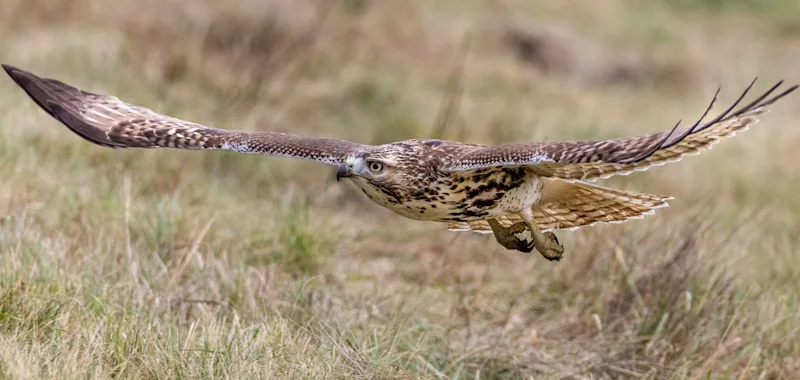
    Predator meeting prey is part of the circle of life in nature. All living organisms need nutrition to produce the energy required to run their systems.

  • Travel Tales

    Nat Hab Exclusive: Alone with the last remaining wolves of the Lamar Canyon Pack

    Mar 10, 2014 · Natural Habitat Adventures

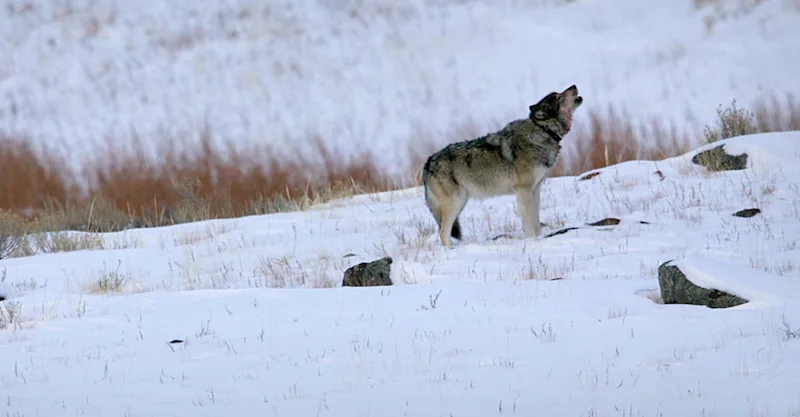
    Guest post by NHA guide, biologist, and photographer Sean Beckett The interior of Yellowstone is inaccessible in the winter without a snowmobile or a snow coach. Opting against the frigid and blustery snowmobiles, we fired up two bombardier snow coaches and headed from the relatively mild Jackson Hole north into a blizzard.

  • Nature Photography

    Cliche Travel Photos: What They Tell Us about Ourselves

    Feb 6, 2014 · Candice Gaukel Andrews

    Earlier this week, we discussed the challenge of going on a photo tour, especially if you’re not a professional photographer. But now, I’d like to visit the flip side of that travel issue: visiting popular places and taking the easiest, most predictable shot possible.

  • Videos

    Videos: Elk Win “Best of Show” at the International Wildlife Film Festival

    Mar 7, 2013 · Candice Gaukel Andrews

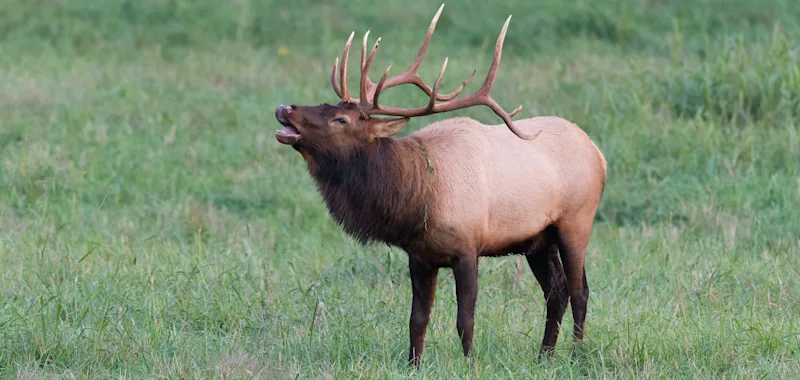
    Big yet graceful, elk (Cervus elaphus) are one of my favorite animals to spot in the wild. They are, in fact, the most abundant large mammal found in Yellowstone National Park, and paleontological evidence suggests they have had a continuous presence there for at least a thousand years.