

Conservation
Wild Conservation Ideas: Currency Images and a Moon Vault
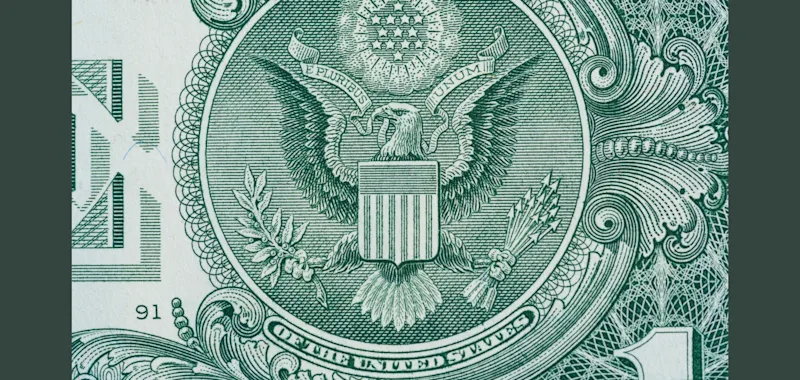
If you look at a U.S. $1 bill today, you’ll find an image of an eagle holding arrows in one talon and an olive branch in the other.
Conservation
If you look at a U.S. $1 bill today, you’ll find an image of an eagle holding arrows in one talon and an olive branch in the other.
Nature & Wildlife
We know that spending time in nature is good for us, proven by hundreds—perhaps thousands—of scientific studies. But most of what we know about nature and its benefits have come from research focused on how seeing nature affects us.
Nature & Wildlife
We human beings have certain basic needs. We must have air, food, water and shelter to survive, according to NASA. If any one of these basic needs is not met, then humans cannot persist. I think the same applies to more-than-human animals, as well.
Conservation
Ever since the HMS Beagle arrived in the Galapagos Islands with a young Charles Darwin aboard—who was soon to meet a fateful family of finches—ecologists have struggled to understand a particularly perplexing question: Why is there such a ridiculous abundance of species in some places on Earth and a scarcity in others?
Nature & Wildlife
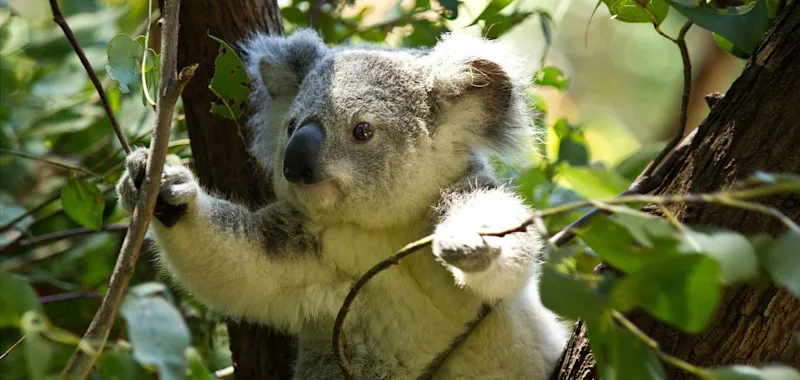
Today, in what seems to be our never-ending search for happiness, we often describe our longings as the quest for “quality of life.” That idea and the coinage of that phrase, though, actually date back to the 1960s and 1970s, when they were often used in debates about social crises and social progress.
Nature & Wildlife
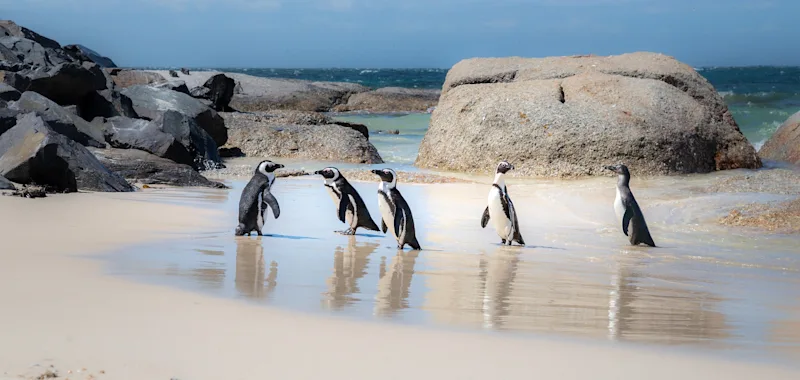
Highly social and very vocal, African penguins are native to the waters of South Africa. But these endangered birds are now struggling to survive the human impacts and the unfolding climate crisis of the Anthropocene. However, their climate story goes back much further than our modern epoch.
Canada & the North
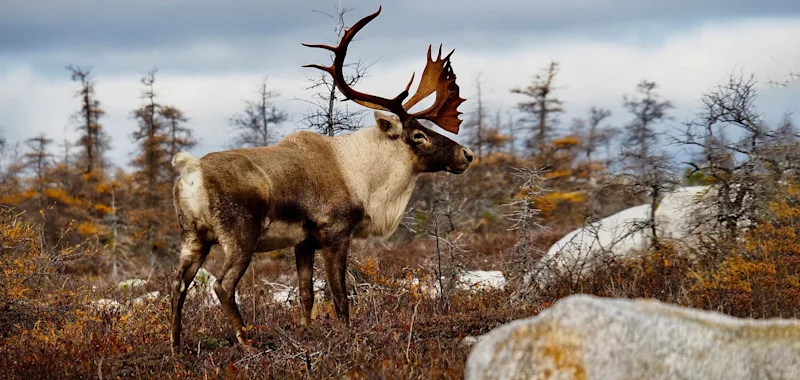
Rising temperatures are causing Earth’s coldest forests to shift northward, raising our concerns about biodiversity loss, an increased risk of wildfires and the mounting impacts of climate change on the people who live in the region. But it’s not only the planet’s forests that are marching northward.
Conservation
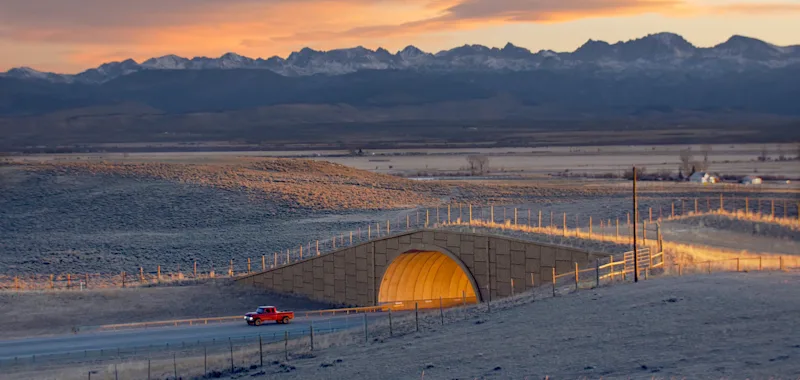
In the face of ever-diminishing wildlife in the sixth mass extinction and increasing political complications, it’s gratifying to know that there are still a few, straightforward conservation measures we can undertake right now to protect the wildlife that lives alongside us.
Conservation
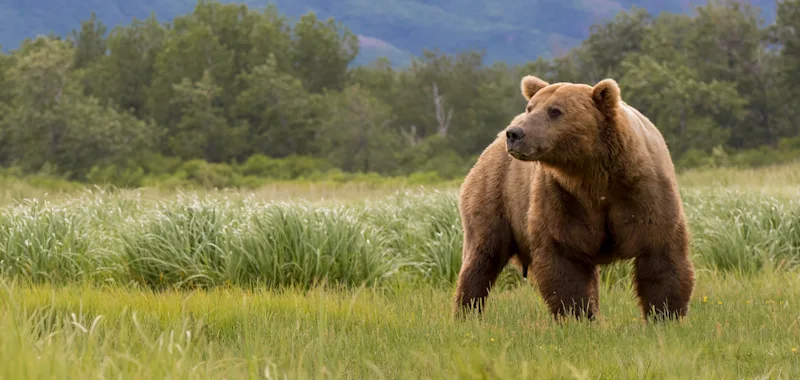
The history of life on Earth has been marked five times by events of mass biodiversity loss caused by extreme natural phenomena. Today, a sixth mass extinction crisis is underway, this time almost entirely caused by human activities. In fact, one recent survey revealed that more species are threatened with extinction than we previously thought.
Asia & The Pacific
The Pyrenean ibex (Capra pyrenaica pyrenaica) officially became extinct in January 2000, when a falling tree landed on Celia, the world’s last wild Pyrenean ibex. Unfortunately, what led up to that unhappy incident was a sad history for this wild mountain goat. Several species of ibex once lived across Africa, Asia and Europe.
Nature & Wildlife
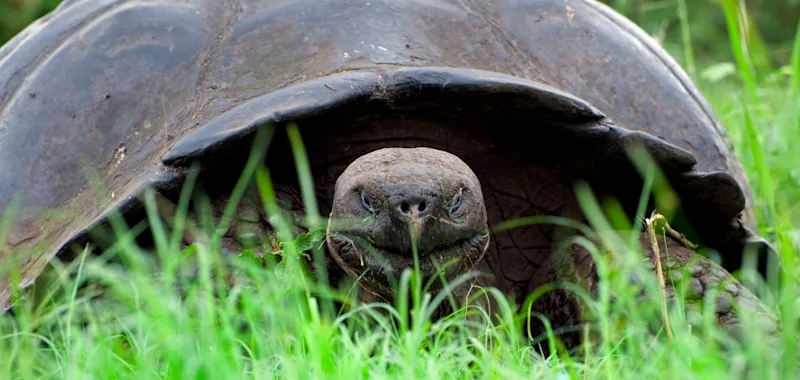
While you probably haven’t celebrated it for the past 20 years, World Turtle Day is coming up on May 23. This annual event was created by the American Tortoise Rescue in 2002 to call attention to the dwindling numbers of these animals due to environmental hazards and human interference.
Conservation
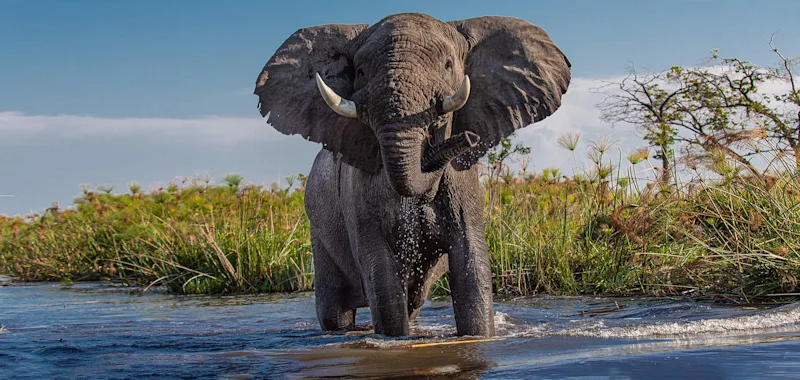
Just hearing the term “wildlife trade” brings to mind heart-wrenching photos of elephants who have been stripped of their tusks or pictures of rhinos without their horns. Actually, the definition of “wildlife trade” is more benign; it denotes any sale or exchange of wild animal and plant resources by people.