Good Nature Travel Blog

  • Videos

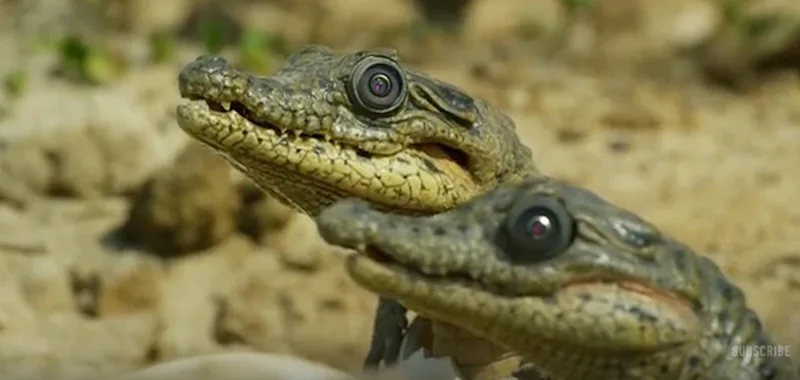
    Videos: Watch as Robotic Animals Secretly “Spy” on Wildlife

    Jun 22, 2017 · Candice Gaukel Andrews

    Camera traps, GPS tracking and radio-collaring are all tools that researchers have traditionally used to study the wildlife that shares the planet with us. But it seems there’s now another method—an ingenious one—that allows us to unobtrusively infiltrate communities in the natural world without letting our very presence alter them.
  • News & More

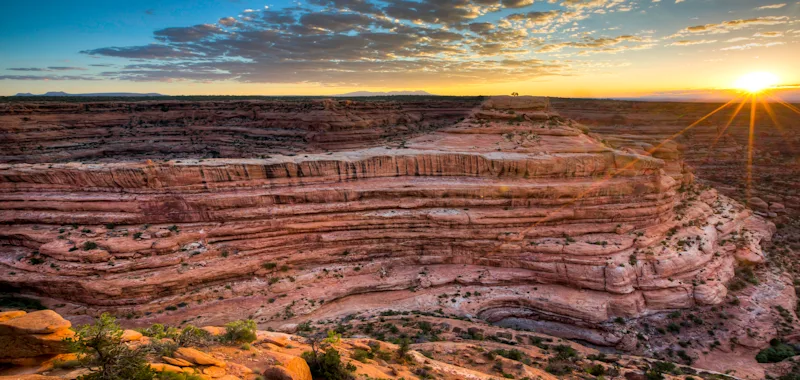
    Quickly Losing Protections: Our Birds, Lands and Oceans

    Jun 20, 2017 · Candice Gaukel Andrews

    One hundred and eleven years ago, the American Antiquities Act of 1906 was passed. It authorizes the president to designate federally managed lands as national monuments in order to conserve important archaeological, historic and scientific sites.

  • Nature & Wildlife

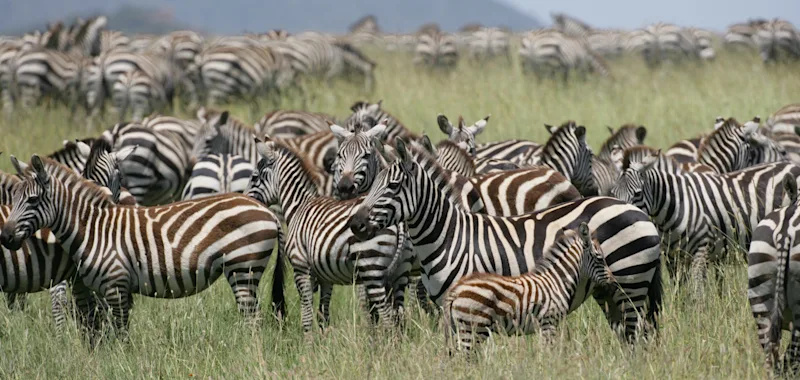
    When Animals Gather, Our Language Gets Lyrical

    Jun 6, 2017 · Candice Gaukel Andrews

    When we get together to appreciate the arts, for political purposes, for social interactions or simply for support, we can be called, among other things, an audience, a band, a bunch, a cohort, a crowd, a group, a mob or a troupe.

  • Videos

    Video: Bison Return to Wyoming’s Wind River Reservation

    May 25, 2017 · Candice Gaukel Andrews

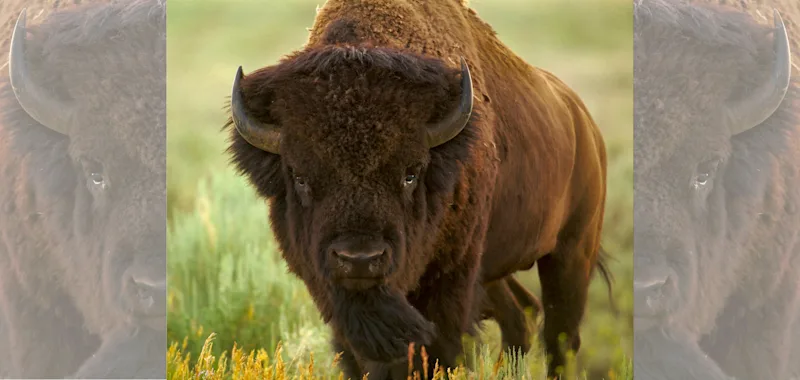
    Bison, our national mammal, have returned to more of their homeland. On November 3, 2016, 10 bison were released on the 2.2-million-acre Wind River Reservation in Wyoming. The last wild buffalo to be seen there was in 1885, 131 years ago.

  • Videos

    Videos: White Deer, the Ghosts of the Forest

    May 11, 2017 · Candice Gaukel Andrews

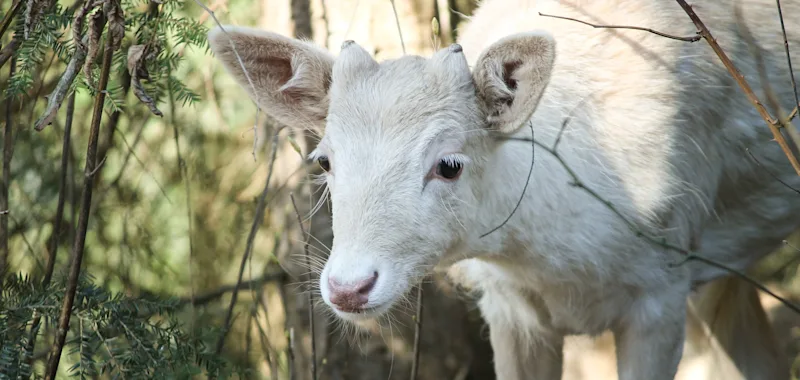
    Throughout history, people have been fascinated by wild animals that are all white. True to tradition, in Wisconsin, where I live, residents have a special affinity for and pride in the albino white-tailed deer herd that lives in our Northwoods.

  • Nature & Wildlife

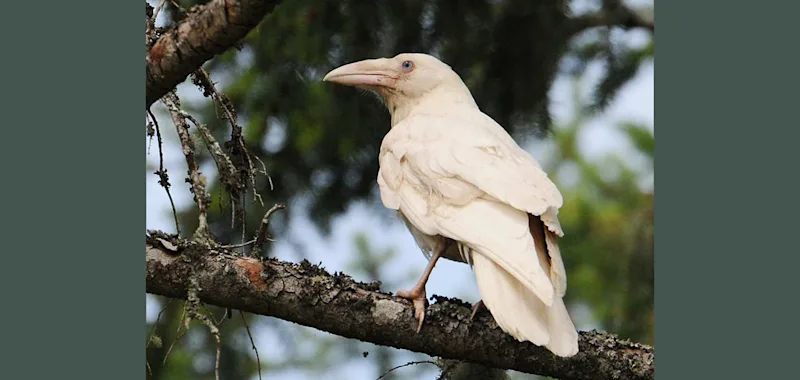
    White, Wild Animals and Why Difference Shouldn’t Be Wrong

    May 2, 2017 · Candice Gaukel Andrews

    A framed photo that hung on a wall of my grandfather’s large dining room is one of my earliest memories. Sepia-toned, it depicted a herd of deer, taken in Wisconsin’s Northwoods, near Boulder Junction. A few of the deer in that image looked different from the others; they appeared to be all white.

  • News & More

    After Earth Day 2017: An Alphabet from Outer Space

    Apr 25, 2017 · Candice Gaukel Andrews

    On Saturday, the world celebrated Earth Day 2017. This one took on a different demeanor from Earth Days in our recent past. Reminiscent of the first Earth Day on April 22, 1970, this year it coincided with the international March for Science.

  • News & More

    Rushing into a World without Gray Wolves or Grizzly Bears

    Apr 11, 2017 · Candice Gaukel Andrews

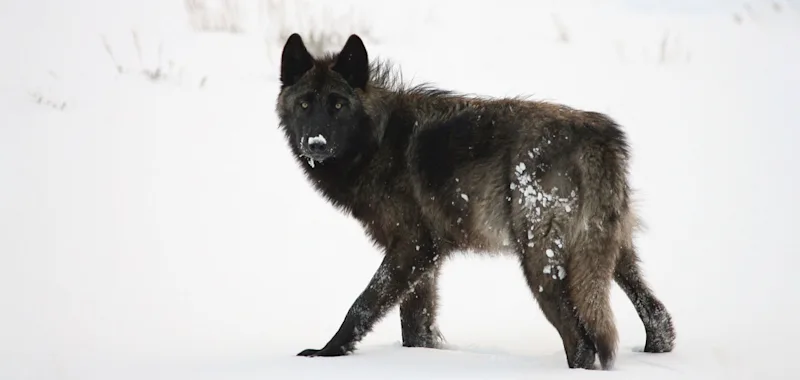
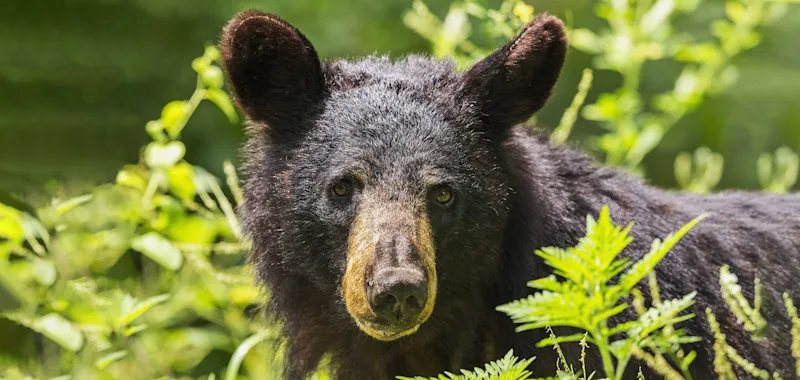
    Grizzly bears and wolves. Other than bison, does America have any mammals more representative of our nation? Unfortunately for them, grizzly bears and wolves are predators, and that sets them apart from bison. It also sets them up to be on the receiving end of some of our most heinous laws and regulations. H. J.

  • Videos

    Video: Hustle and Bustle at the Hummingbird Feeder

    Mar 16, 2017 · Candice Gaukel Andrews

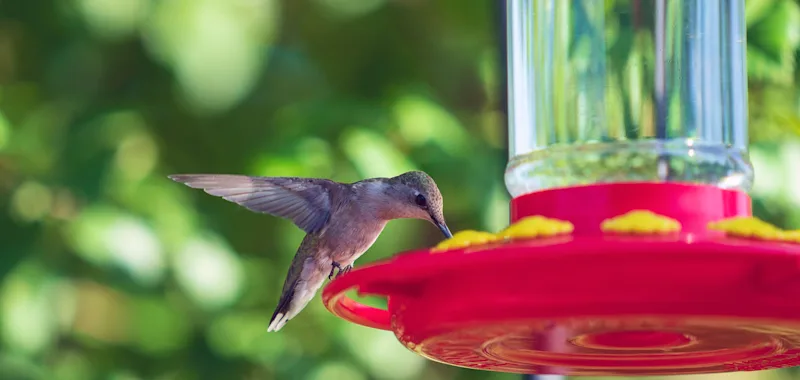
    Hummingbirds may be small, but they certainly pack a lot of appeal. Iridescent, colorful and capable of helicopter-like flying maneuvers, they enchant almost everyone. Hummingbirds were given their name because their wings flap so fast (about 80 times per second) that they make a humming noise.

  • News & More

    Drones: Wildlife Difficulty or Poaching Deterrent?

    Mar 14, 2017 · Candice Gaukel Andrews

    Drones have become popular conservation tools. The Bureau of Land Management, the Department of the Interior and the U.S. Geological Survey have all used unmanned aerial vehicles (UAVs) to monitor wildlife populations or to map roads or wetlands for land management purposes.

  • Videos

    Video: Endangered Honduras Frogs Get a New Health Clinic

    Feb 16, 2017 · Candice Gaukel Andrews

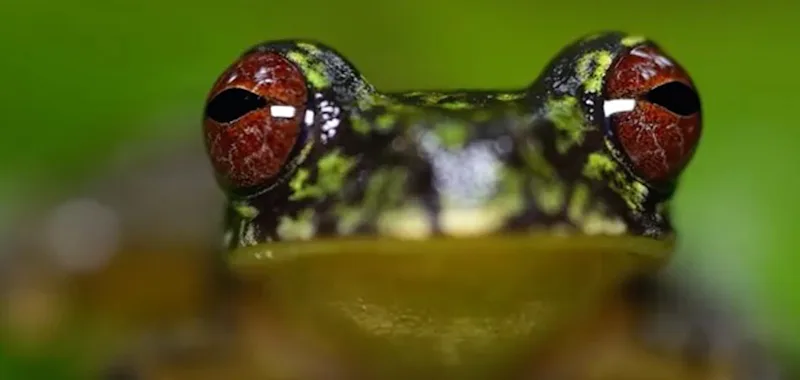
    Across the globe in the past few decades, an invasive chytrid fungus has been devastating amphibian populations. While scientists aren’t sure how the frog-killing form of Batrachochytrium dendrobatidis swept the planet, many suspect it traveled by the importing and exporting of amphibians for food or the pet trade.