Good Nature Travel Blog

  • Conservation

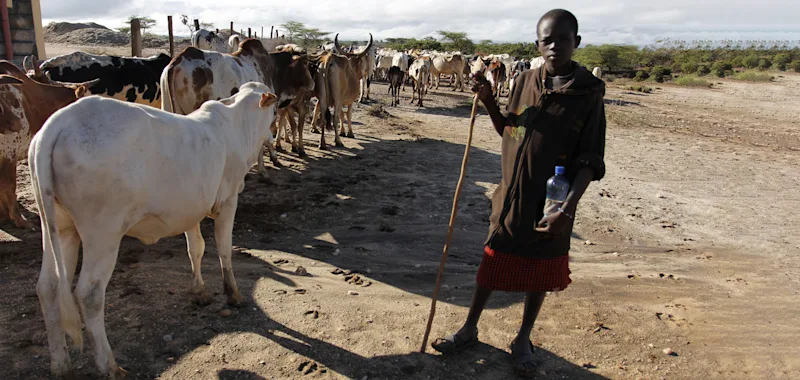
    Listen, and You Might Actually Hear Climate Change

    May 3, 2016 · Candice Gaukel Andrews

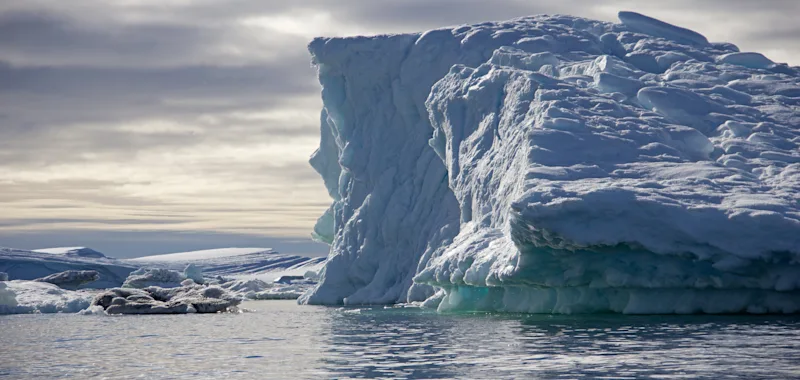
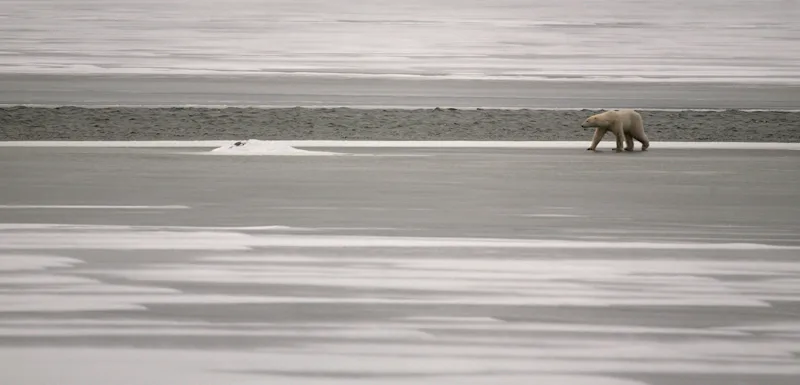
    The image of a polar bear stranded on an ice floe. Herds of thousands of walruses hauled out on land, deprived of their sunning platforms of choice: sea ice. Videos from NASA simulating how carbon dioxide moves through the atmosphere and travels around the globe.
  • Videos

    Video: “The Messenger” Movie’s Memo about Songbirds

    Apr 28, 2016 · Candice Gaukel Andrews

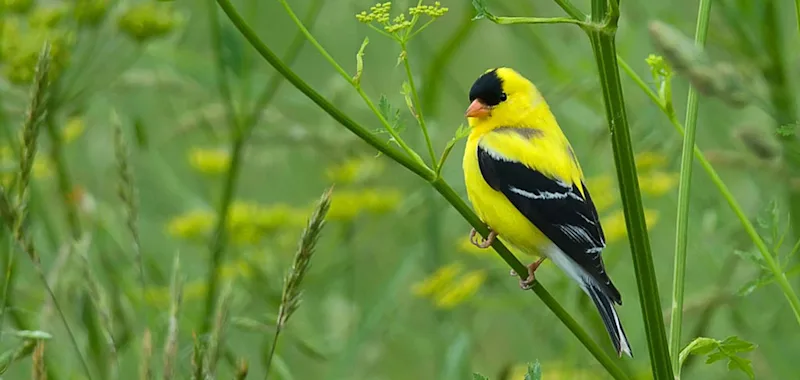
    Imagine a world without birdsong. That’s the scenario a new documentary, titled The Messenger, wants you to envision, because it could actually happen sooner than we think. Songbird populations throughout the world are in trouble. By some estimates, we may have lost almost half of the songbirds that filled the skies only 40 years ago.

  • Conservation

    Eco-Avengers: Just Monkeywrenching or Ecoterrorism?

    Apr 26, 2016 · Candice Gaukel Andrews

    When timber framer Will Elwell heard that a natural gas pipeline was going to run through his town of Ashfield, Massachusetts, he decided to take action by making a visual statement.

  • News & More

    Hidden from Headlines: Climate Change News

    Apr 12, 2016 · Candice Gaukel Andrews

    Although ostriches don’t really bury their heads in the sand, it appears that we humans do—at least when it comes to climate change.

  • News & More

    Climate Change and the Astronaut: the Endgame

    Mar 29, 2016 · Candice Gaukel Andrews

    If you got the news that, best-case scenario, you only had 12 to 18 months to live, I’m guessing you might quit your job and spend your final days traveling, vacationing or generally having the time of your life.

  • Conservation

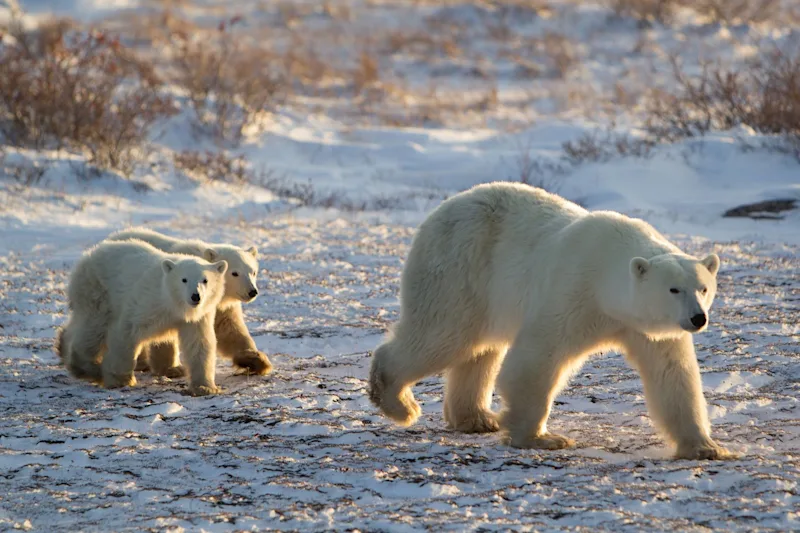
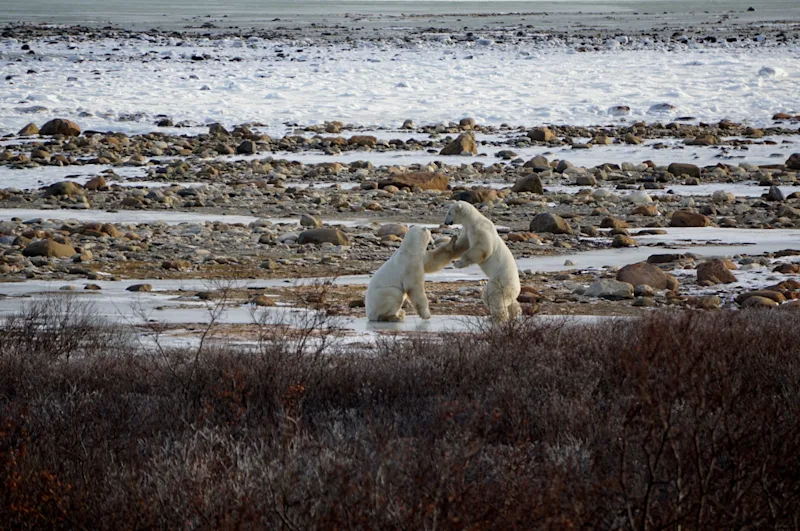
    The Importance of Seeing Polar Bears in the Wild

    Mar 23, 2016 · WWF

    I never truly appreciated the importance of the polar bear as a mascot for global warming and climate change until I saw these magnificent creatures up close and personal on a WWF/Natural Habitat trip to the “Polar Bear Capital of the World,” in Churchill, Canada.

  • News & More

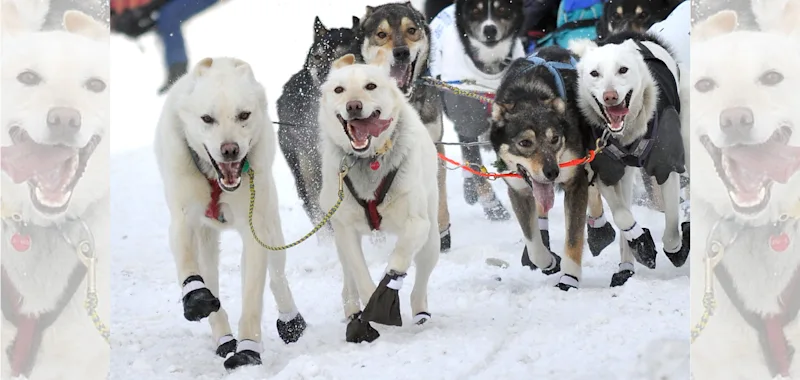
    Missing Winter: the Iditarod and the American Birkebeiner

    Mar 8, 2016 · Candice Gaukel Andrews

    In January 1925, the children of Nome, Alaska, were dying. They were suffering from diphtheria. The town’s only physician, Dr. Curtis Welch, feared the epidemic would spread throughout Nome’s population of 1,400.

  • Videos

    Video: the Interrelated and Networked Earth

    Mar 3, 2016 · Candice Gaukel Andrews

    Environmental philosopher and early national park advocate John Muir wrote in his 1911 book, My First Summer in the Sierra, “When we try to pick out anything by itself, we find it hitched to everything else in the universe.” It may be the truest thing anyone ever said about nature.

  • News & More

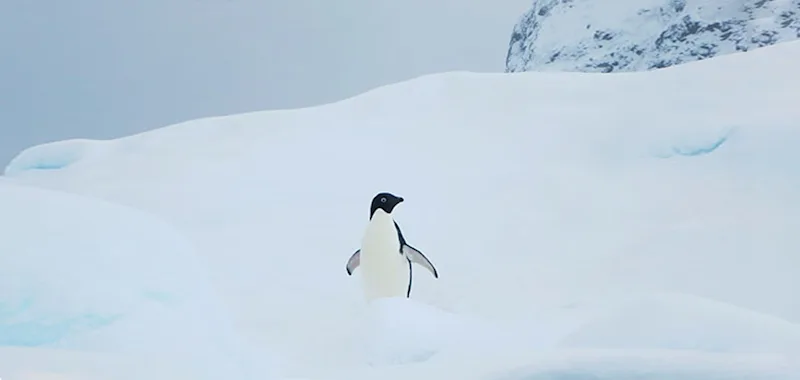
    Penguins, the 2016 Oscar Awards and World Wildlife Day

    Mar 1, 2016 · Candice Gaukel Andrews

    Last night, Leonardo DiCaprio accepted his first Best Actor Oscar award. He used his moment at the podium to remind us about the planet’s most urgent threat: rapid climate change. His message was timely.

  • Conservation

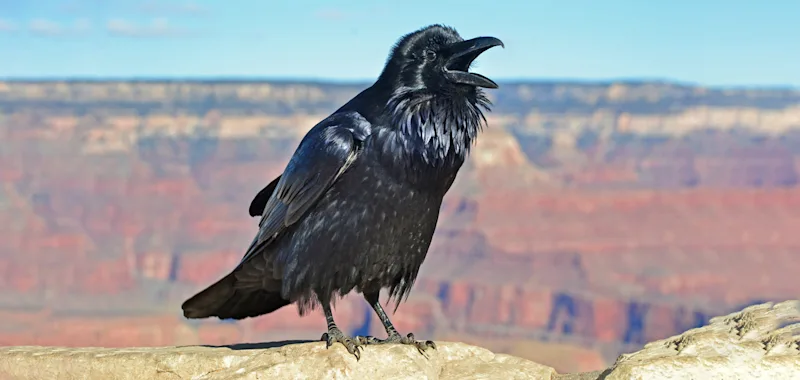
    Remedy for Deforestation: Raven Replanters

    Feb 16, 2016 · Candice Gaukel Andrews

    Corvids—a family of birds that includes crows, jays, magpies, nutcrackers and ravens—are smart animals. They can make tools, recognize individual human faces and give our five-year-old children a run for their money in solving puzzles.

  • Conservation

    Polar bears, ice and climate change

    Jan 6, 2016 · WWF

    In October 2015 I had the pleasure of accompanying guests on Natural Habitat Adventures’ Classic Polar Bear Adventure in Canada. I work on climate change adaptation for WWF, and a large part of my work is focused on how climate change is impacting species, and how we can help them adapt.

  • Conservation

    12 Conservation Success Stories of 2015

    Dec 29, 2015 · Candice Gaukel Andrews

    Last night, I watched a movie titled Merchants of Doubt. In this 2014 film, director and producer Robert Kenner lets us in on a secret that’s hiding in plain sight: there is a small—but highly paid—group of charismatic, silver-tongued “pundits” who present themselves in the media as scientific authorities, even though they have few credentials.