Good Nature Travel Blog

  • Conservation

    Hungry Hungry Hippos in the Wild

    Apr 11, 2012 · breanna.draxler

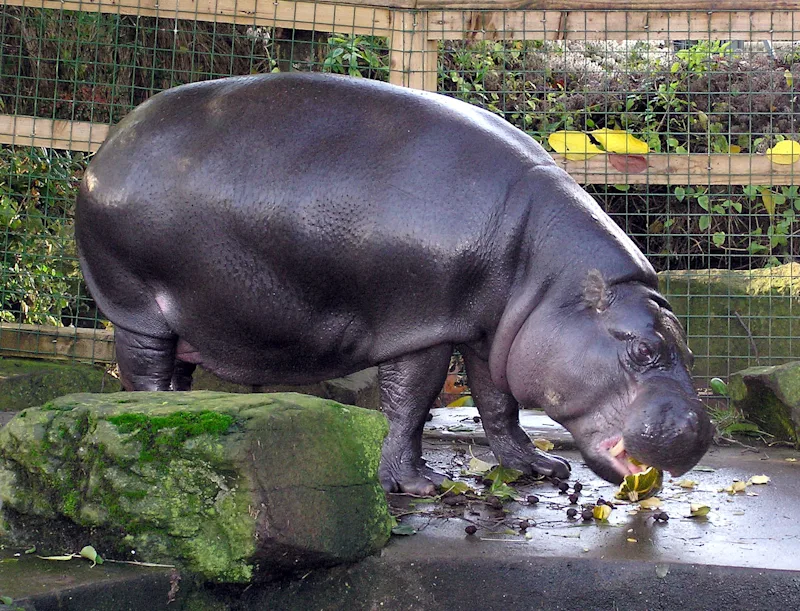
    by Breanna Draxler Hungry Hungry Hippos was among my favorite board games growing up. My pink plastic hippo fought furiously against those of my sisters to see who could gobble up the limited number of marbles the fastest.
  • News & More

    The Art of Adventure: Cartographers and Paleoartists

    Apr 10, 2012 · Candice Gaukel Andrews

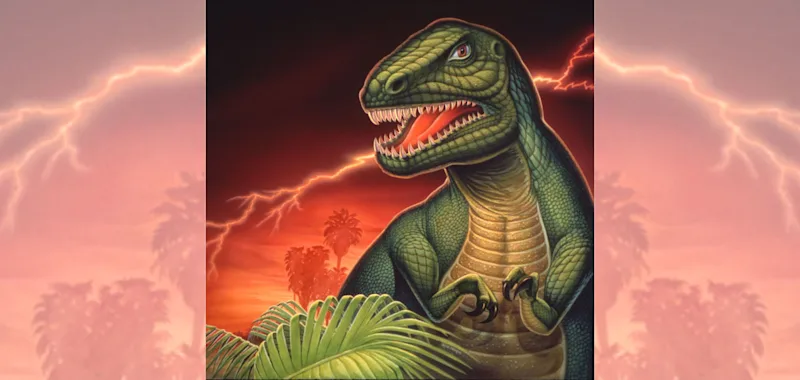
    In 1719, when cartographer John Senex was drawing a map of the English empire in America, there was still a lot that was unknown. The little information about this “new land” that he did have came from the accounts of various Jesuit and French explorers, and not much of it matched.

  • Nature & Wildlife

    Moving Bison with a Song

    Apr 3, 2012 · Candice Gaukel Andrews

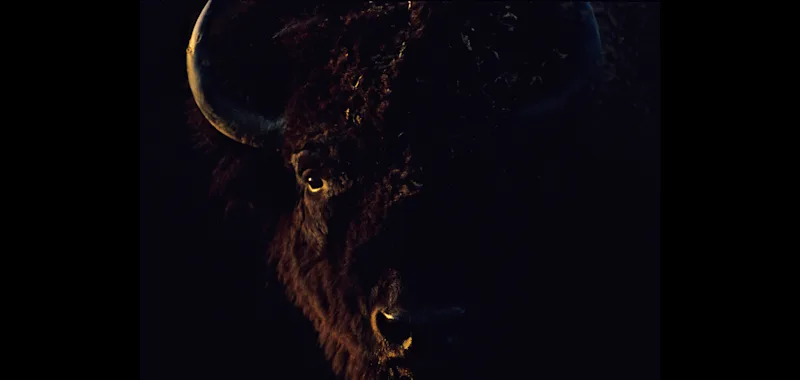
    On March 8, 2012, 71 bison calves newly arrived from Canada stepped onto the Montana plains. They came to join the established herd of bison on the American Prairie Reserve, the one that once belonged to their ancestors. One hundred years ago, the last of Montana’s Pablo-Allard herd was sold to the Canadian government.

  • Conservation

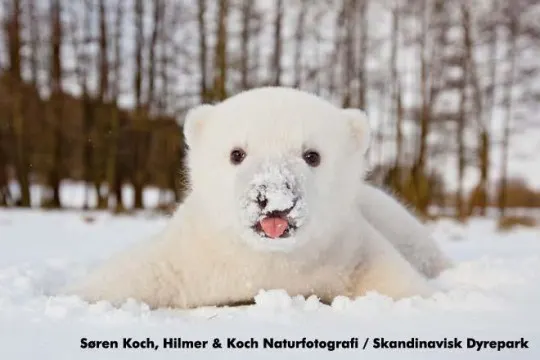
    Meet Siku, A Polar Bear Cub With a Mission

    Mar 27, 2012 · Wendy Redal

    Few baby animals are more adorable than a roly-poly white polar bear cub. So it’s no wonder that Siku has stolen the hearts of the world via the Polar Bear Cam at Denmark’s Scandinavian Wildlife Park. Siku was born Nov. 22, 2011 to Ilka, the park’s female polar bear.

  • Antarctica & Arctic

    Every Great Exploration Probably Began with a Laugh

    Mar 27, 2012 · Candice Gaukel Andrews

    Big dreams of exploration were not uncommon in the late 1800s and early 1900s. But one explorer may have taken such aspirations to the next level: in 1895, at a London conference on polar exploration, a Swedish engineer named Salomon August Andree declared his intention to reach the North Pole via hot-air balloon.

  • Travel Tales

    Do Adventure Movies Inspire Risk-Taking?

    Mar 13, 2012 · Candice Gaukel Andrews

    Ever since the explorers of old used oral storytelling, flyers and published journals to spread word of streets lined with gold, fountains of youth or rich silks and spices, people have been using mass media to motivate others to go on adventures.

  • Videos

    Do Chimpanzees Mourn?

    Mar 1, 2012 · Candice Gaukel Andrews

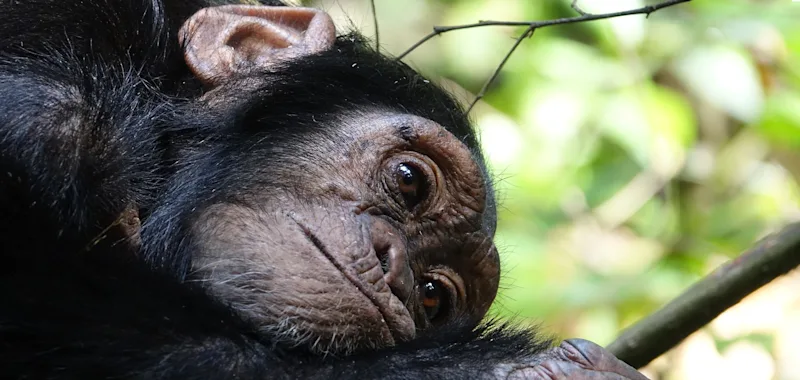
    Very little is known about how animals other than ourselves—especially nonhuman primates—react to the deaths of those close to them and whether they “mourn,” as we interpret the feeling.

  • News & More

    First Explorers: The Siberia-Native American Connection

    Feb 28, 2012 · Candice Gaukel Andrews

    When early, intrepid European explorers first began trekking through the New World in the late 1400s, they were awed by the strikingly different cultures they encountered. But they also came to notice something else: remarkable physical similarities between the Asian peoples they had seen during their many travels and these new, soon-to-be-known-as “Native Americans.”

  • Conservation

    It’s International Polar Bear Day!

    Feb 27, 2012 · Wendy Redal

    While polar bears have long been at the forefront of concerns over climate change, International Polar Bear Day — which happens every year on February 27 — has been set aside to draw special attention to their plight.

  • Conservation

    Earth Hour, March 31, 2012: Give 60 Minutes for the Planet

    Feb 21, 2012 · Candice Gaukel Andrews

    It’s as simple as turning off your lights for one hour on Saturday, March 31, at 8:30 p.m., your local time. That’s it. It may be the easiest thing you’ll ever be asked to do for an environmental cause and for the natural world.

  • Nature & Wildlife

    Baffin Island’s Wandering Canadian Arctic Foxes

    Feb 14, 2012 · Candice Gaukel Andrews

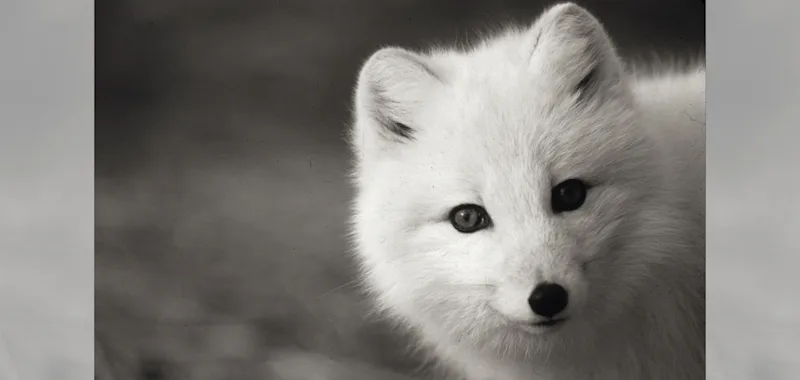
    An arctic fox off the coast of Baffin Island has recently proved that wanderlust isn’t restricted to humans. Apparently, this little canid—and some others of her kind—has a propensity for it, too. In spring 2008, Canadian biologists fitted 29 arctic foxes with tracking collars and began monitoring their movements by satellite.